Nearly a third of Singaporeans open to nuclear energy’s potential, highest in Asean: study
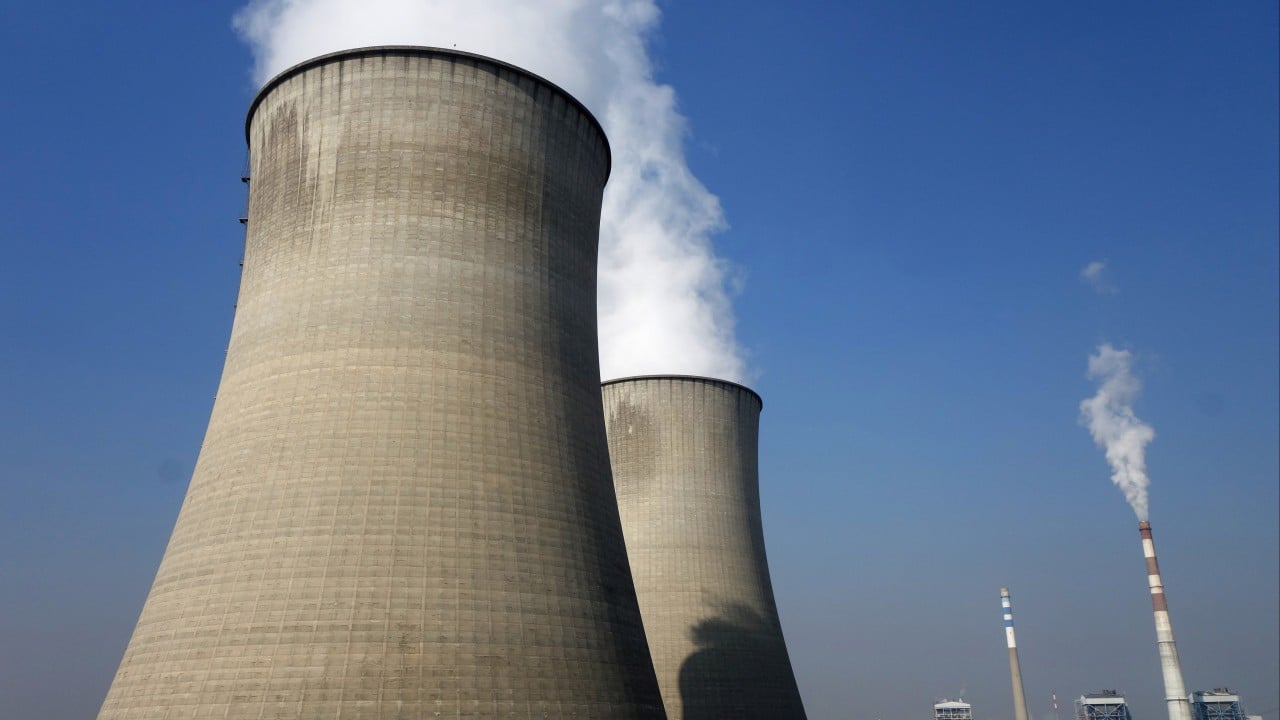
Just under a third of Singaporeans, or 31.4 per cent, believe that nuclear energy promises a clean power source with the greatest potential in the city state, representing the highest acceptance rate in Southeast Asia, a new study has found.
The approval rate represented an 11.1 per cent increase from 2024, the Southeast Asia Climate Outlook 2026 Survey found, even as solar energy continued to be the most popular choice.
Singapore is studying advanced nuclear technologies, including small modular reactors, as part of its long-term planning for a net-zero power system, but the government has not decided whether to deploy nuclear energy.
The latest study, released on Thursday by the Climate Change in Southeast Asia Programme at ISEAS – Yusof Ishak Institute and the Lee Kuan Yew Centre for Innovative Cities at the Singapore University of Technology and Design, showed that public acceptance of civilian nuclear energy is growing.
In the region, solar came out on top with 65 per cent of respondents selecting it as a top two clean energy source, followed by hydropower with 33 per cent and biofuels with 27.4 per cent selecting it.
Singapore showed a disproportionately higher acceptance of nuclear energy compared with the rest of the region, with experts and researchers noting that clean energy options were limited in the city state and opinions might change once the realities of nuclear energy, like facility location and safety, were brought into question.
Tan-Soo Jie Sheng, assistant professor and Director of the Institute for Environment and Sustainability at the Lee Kuan Yew School of Public Policy, National University of Singapore, said Singaporeans’ relatively wider acceptance of nuclear power was down to a lack of alternatives aside from solar.
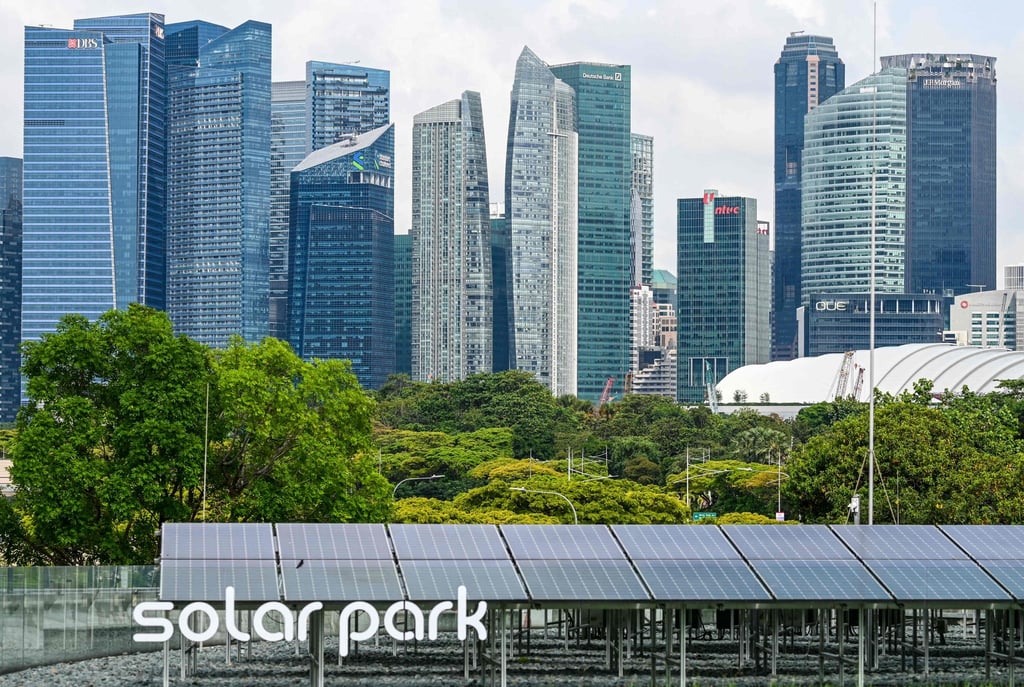
“Singapore will continue to depend heavily on imported energy, but we have relatively few non-fossil fuel options for large-scale electricity generation domestically beyond solar. Nuclear therefore presents a different proposition: it could potentially diversify our energy system while providing a significant source of low-carbon electricity generated within Singapore. That may partly explain why Singaporeans appear more open to nuclear power than people elsewhere in the region.” Tan-Soo said on Thursday.
The study, conducted from June 8 to July 13, garnered responses from 3,706 participants across all 11 Asean members, representing an increase of more than 25 per cent from the previous edition. The survey was available in English, Bahasa Indonesia, Burmese, Khmer, Tetum, Thai, and Vietnamese.
Tan-Soo noted that the findings in the survey were consistent with his study on online perceptions of nuclear energy published in June, which found that acceptance of nuclear energy was the strongest in Singapore followed by Malaysia, Indonesia, and the Philippines.
Yet he noted that nuclear energy also had a regional dimension, since operating a plant in one country would likely draw responses from neighbouring countries.
“Whatever happens in Singapore will have implications beyond our borders. Nuclear is a long-term issue with a strong regional dimension, so I think it is something that countries in the region will need to discuss and work through together,” he added.
In the Southeast Asia Climate Outlook 2026 Survey, unemployment and economic recession (55.3 per cent) came out ahead of climate change and extreme weather events (53.6 per cent) and domestic political instability (46 per cent) when respondents were asked about the top three challenges facing the region.
On whether AI was good or bad for the environment, responses leaned positive, with 47.9 per cent seeing it as somewhat good or clearly good and 20.2 per cent seeing it as somewhat bad or clearly bad.
Over a fifth, or 21.9 per cent, said they did not know enough about artificial intelligence’s environmental costs or benefits to judge, indicating a gap in public understanding of the technology’s footprint.

Minister for Sustainability and the Environment Grace Fu said at the launch of the report in Singapore on Thursday that the energy crisis provided a good reason for the region to transition to renewable energy to deepen regional resilience, such as by advancing the Association of Southeast Asian Nations’ power grid.
The Asean power grid, meant to function as a unified electricity grid, has been in the planning stages for decades.
Fu noted that the Lao PDR-Thailand-Malaysia-Singapore Power Integration Project, which enables multilateral cross-border trade of up to 100MW to 200MW of renewable hydropower from Laos to Singapore via Thailand and Malaysia, had shown that multilateral electricity trade was feasible.
“The next phase requires clearer rules for cross-border trade and practical norms for submarine power cables,” Fu said.
As Singapore takes on the role of Asean chair next year, Fu stressed that regional cooperation was not just “good to have” but necessary and as some countries would have excess clean energy while others like Singapore would always be in a deficit, therefore, there was a need to find an alternative trading system for renewable energy.
On how climate change could be balanced with economic needs, since a potential recession ranked as a bigger concern to Asean respondents than environmental ones, Fu said the ideal situation was to balance economic, social, and environmental issues.
“Lacking any one of the three is not sustainable,” said Fu, noting how innovation in technology had to be done with considerations of its social and economic impact on people as well as on the environment.
“If we can square the triangle, so to speak, it’s really the ideal and optimal outcome. And we are trying to do that, to find the right landing zone,” Fu said.
KioskNews shows a cleaned-up reading view extracted from the publisher’s page — the original always lives on their site, not ours.