In New Zealand’s bellwether seat, what are locals thinking as a knife-edge poll looms?

It’s a hot spring day in the Auckland suburb of Onehunga, and the main strip is starting to hum with life. Builders slip into a bakery for a snack, retirees chat over coffee outside cafes and a shoeless man zips by on a scooter.
There are few signs New Zealand’s general election is looming along this shopping strip but Onehunga and neighbouring suburbs that make up the electorate Maungakiekie, will be closely watched when New Zealand heads to the polls on 7 November.
Over the past two elections, the Maungakiekie electorate has proven to be an “extraordinary” bellwether seat, accurately reflecting the mood of the nation.
In 2020, when Labour won 50% of the national vote, a near-identical 50.3% of Maungakiekie’s voters backed the party. Three years later, when Labour’s vote plunged to 26.9%, so too did Maungakiekie’s support for the party, falling to just 27.1%.
“[Maungakiekie] tracked the national number with extraordinary precision both times,” says Dr Michael Swanson, an honorary research fellow in politics at the University of Otago.
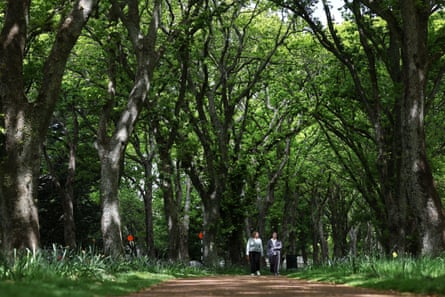
This year’s election is on a knife-edge. With voters frustrated by a sluggish economy and stubbornly high inflation, polls indicate neither the left nor right blocs will win an outright majority. Support for mainstream parties, National and Labour, is slipping in favour of minor parties – one of which, Opportunity, could decide who will next govern New Zealand.
Maungakiekie defies easy categorisation. Some parts are affluent – home to leafy streets and multimillion dollar homes. Others, such as Onehunga, were working class, but have been gentrified. The seat is ethnically diverse and home to a younger demographic than the Auckland average.
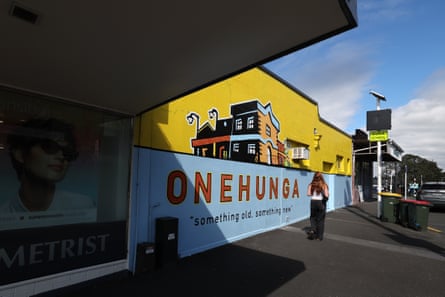
Maungakiekie is “a really interesting and relatively accurate” representation of modern New Zealand, Swanson says, and has been a consistently reliable barometer for which way support is leaning for parties.
When the Guardian visits the electorate in October, two key themes emerge: a grudging fealty to the National party – which has led the centre-right coalition government since 2023 – and growing support for minor parties.

Jemimah Fifita, a 25-year-old student who works at a local cafe, is about to ditch a family tradition of voting Labour.
“I’m very mindful of who I think I should vote for,” she says, “especially as a young person, because we are struggling” – nodding to high rates of youth unemployment and the rising costs of living.
Fifita is yet to decide who will get her vote, but the centrist Opportunity party has caught her attention. Opportunity has been consistently polling above the 5% threshold of seats needed to enter parliament, but it remains to be seen if that support translates into votes next Saturday.

Across the road, sitting outside a bakery are longtime Onehunga residents, Nigel Higgins and Lance Polmear. Higgins has not voted since the 1980s because he believes “all governments are oppressive”. But Polmear, who works in construction, says he will again vote for National, despite being unhappy with some of its policies, such as immigration.

At a cafe further up the street, retiree Margôt Phillipps reckons the government has been “shocking” this term, so she will be voting for the Green party, for its environmental stance and its policy of redistributing wealth.
In Ellerslie, a more affluent and less diverse suburb than Onehunga, locals are largely sticking with the status quo: the National-led coalition with the right-wing Act party and populist New Zealand First.
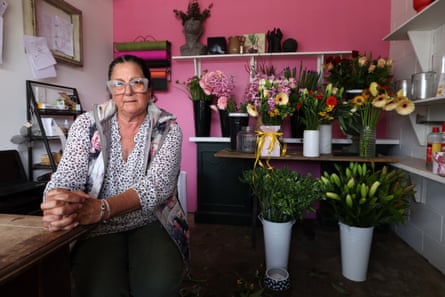
Kerry McCullough, a florist on the main street, is “very much against Labour” and will vote National even though she thinks party leader Christopher Luxon is “not very appealing”.
Across the road, butcher David Parsons is weighing cuts of meat for customers. He is switching his party vote from National to New Zealand First, led by Winston Peters, a politician who entered parliament in 1978 with National.
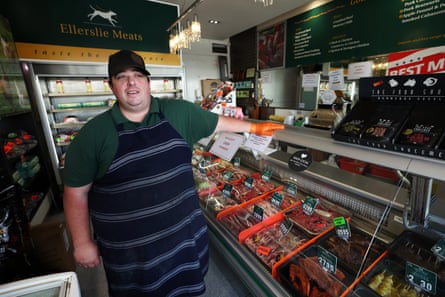
“It’s not something I ever thought I would do – my family has a long history of voting National – but its come to the point where I see a bit more eye-to-eye with Winston Peters,” Parsons says, adding he has become more concerned about immigration and believes the country should boost mining to grow the economy, issues that New Zealand First has campaigned on.
A mood of disillusionment could spell bad news for Luxon and National, who face the possibility of being the first one-term National-led government since the party was founded in 1936.
Polling in recent months has shown just a few points separating the winning and losing blocs. A RNZ-Reid Research poll released on Thursday shows National slumping under 25%, and Labour in a position to form a government alongside the Greens and Opportunity. A 1News-Verian poll released two days earlier had National slightly ahead and returning to power.
Support appears strong for the right-leaning coalition in Maungakiekie, but recent changes to the electorate’s boundary lines could alter the political landscape.
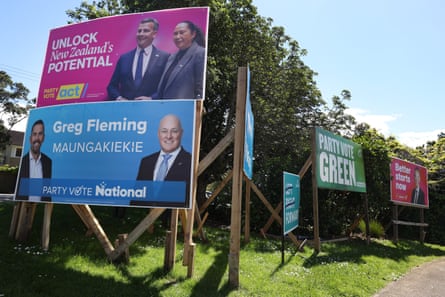
The new boundary lines add nearly 10,000 voters from a left-leaning suburb, but cut about 2,200 voters from a right-leaning suburb. The seat could inflate support for Labour compared with the national result and upset its bellwether status, Swanson says.
Regardless, Maungakiekie will remain one of the most closely watched seats when results roll in on election night, he says.
“They have earned, across several elections, the right to be taken seriously as a signal.”
KioskNews shows a cleaned-up reading view extracted from the publisher’s page — the original always lives on their site, not ours.