Post-Mortem Confirms Punjab Man Died Of Drug Overdose, Akali Dal Slams AAP
The death of 35-year-old Daljit Singh on October 27 in Punjab's Mansa district has snowballed into a major political controversy. While the Punjab Police registered a murder case against three people in the matter, the postmortem report confirms the presence of morphine and benzodiazepines in Singh's body.
Days after the initial uproar surrounding his death in Bhamme Kalan village, the release of the official post-mortem report has raised serious questions about the state's official line. The postmortem falls in with the family of the victim originally claimed: Daljit Singh died of a drug overdose, not murder.
What happened
Daljit Singh lived in Bhamme Kalan village and was found dead in fields near Ramanandi. Since the news of his death broke, his family suspected that he died of a drug overdose. They allege that he went to Mansa to get drugs and was later found dead.
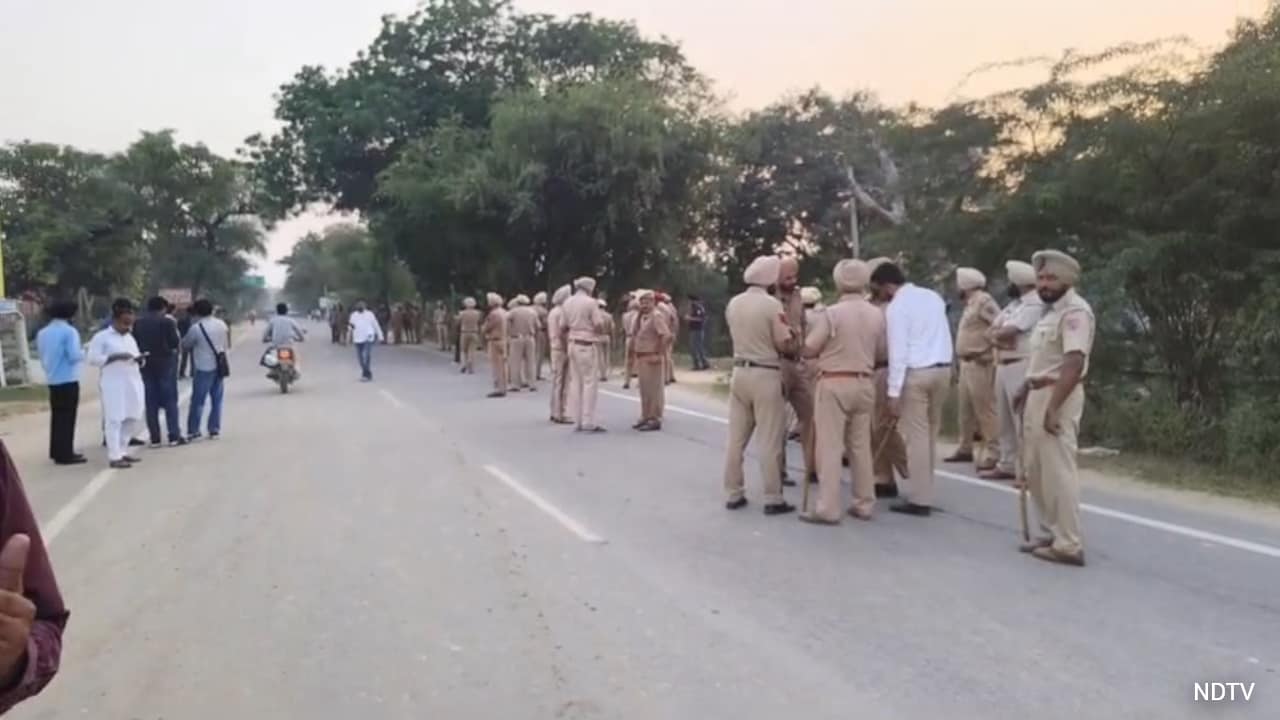
After his death, family members placed his body on the Sirsa-Mansa road and blocked traffic. They demanded the immediate arrest of those allegedly involved in selling drugs in the area and warned that the blockade would continue until the authorities acted.
Visuals then showed Punjab police taking away the victim's body from the protest site, an act criticised by the family and opposition. The body was then shifted to AIIMS Bathinda where the first postmortem took place. The first postmortem report confirms the presence of morphine and benzodiazepines, validating the family's claim that Singh succumbed to an acute overdose.
According to the family, Daljit Singh was married and had two children. He was the sole breadwinner of the household, and his death has left the family devastated.
Political Row
The revelation has triggered severe outrage with opposition parties mounting an attack on the AAP-led Punjab government. Senior Shiromani Akali Dal (SAD) leader and MP Harsimrat Kaur Badal launched a scathing attack on Chief Minister Bhagwant Mann and AAP convener Arvind Kejriwal, accusing the state apparatus of deliberate deception.
Slamming the ruling party in Punjab, Badal said, "Punjab Govt and Punjab Police have been completely exposed for trying to scuttle Daljit Singh's death as 'murder'. SSP Mansa pushed a false narrative, he ordered the kidnapping of Daljit's corpse and then threatened the family."
Legal Battle
The handling of Daljit Singh's body became a flashpoint for state-wide tension. The legal standoff required intervention from the Punjab and Haryana High Court to decide the logistics of an independent post-mortem and determine who could attend the final rites.
Following court-mandated modifications to ensure the family's wishes were respected, Singh was eventually cremated in his native village of Mansa on November 5 under heavy police deployment.
The first postmortem was conducted at AIIMS Bathinda. Daljit's sister, Amarjit Kaur filed a petition alleging that the initial post-mortem was conducted without their knowledge or consent and questioned why the police forcibly took possession of his body when they were attempting to take it to an anti-drug protest site.
To address the two opposing narratives and growing public protests over the drug menace in Mansa, the High Court intervened and ordered a fresh, independent second autopsy at PGIMER Chandigarh, results of which are awaited.
The Broader Crisis: Punjab's Drug Menace
The case originating from Mansa, a district which also saw the murder of drug activist Parvinder Singh Jhota, raises serious questions about drugs and law and order in Punjab. As Punjab heads into the poll season, successive governments and parties promise total eradication of the drug mafia. Yet, incidents of frequent overdoses underscore a grim reality: the drug supply chain in Punjab remains deeply entrenched.
KioskNews shows a cleaned-up reading view extracted from the publisher’s page — the original always lives on their site, not ours.