Arab Hadash-Ta’al, Ra’am parties sign agreement to reduce risk of lost votes
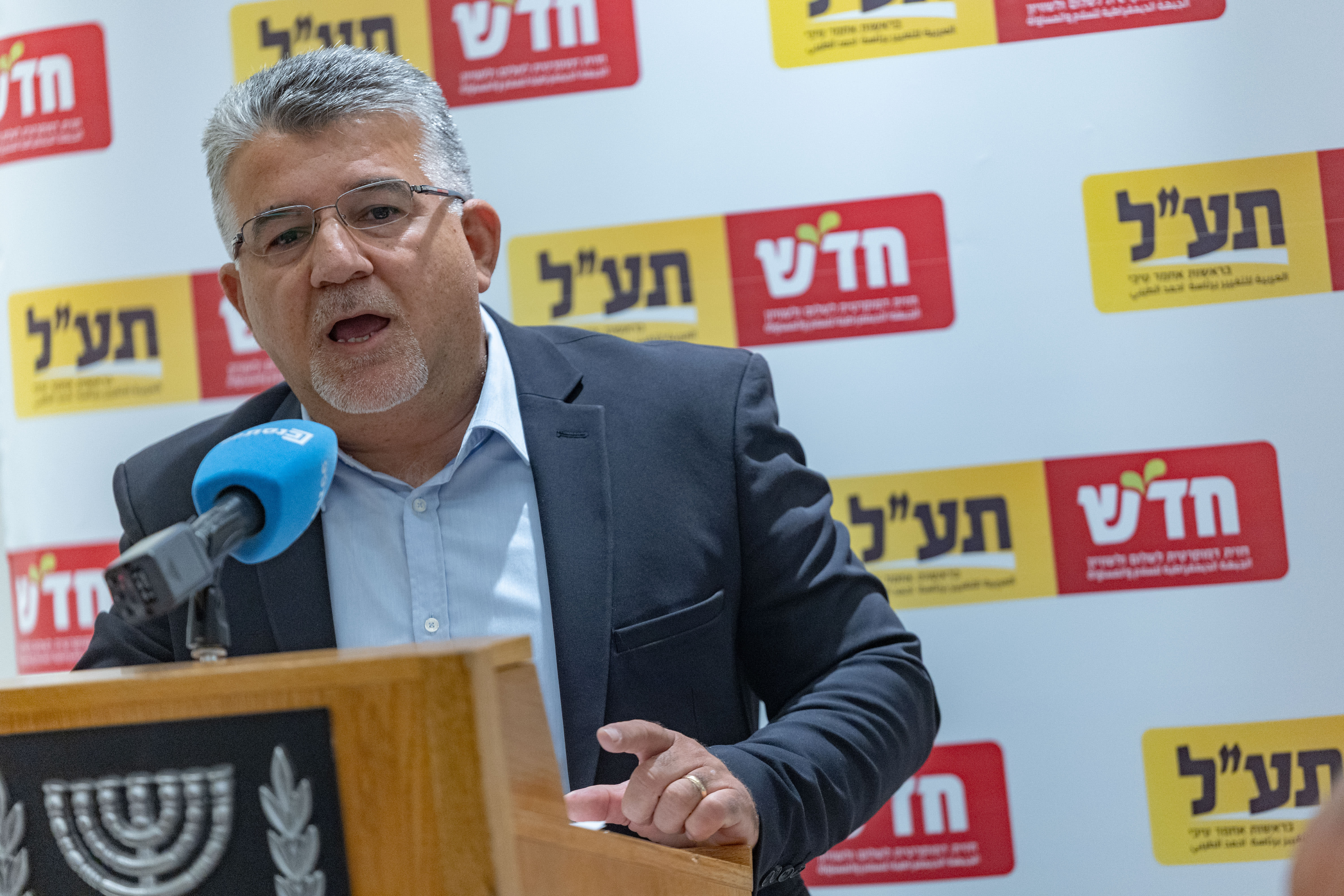
The move follows Ra’am, Hadash-Ta’al, and Balad running separately in the previous election and not signing an agreement on excess votes.

Hadash-Ta’al and Ra’am signed an excess votes agreement on Friday ahead of Israel’s 26th Knesset elections, saying the deal is intended to strengthen their position in the allocation of surplus mandates and reduce the risk of votes being lost.
The agreement brings together two of the main Arab political factions ahead of the election, with the parties saying it is designed to maximize the impact of Arab voters in the distribution of seats.
“The cooperation between the two central political forces among the Arab public will ensure that no vote is wasted in the campaign to bring down the far-right government of [Prime Minister Benjamin] Netanyahu and [National Security Minister Itamar] Ben-Gvir,” the parties said in a statement. “According to the latest polls, the Arab public holds electoral power that could reach approximately 15 mandates.”
The parties added in their joint statement that “the meaning is clear: The vote of the Arab public has the power to decide the entire campaign and prevent the establishment of another bloodshed government led by Netanyahu, Ben-Gvir, and [Finance Minister Bezalel] Smotrich.”
Under the agreement, the two lists committed to running a “fair and clean election campaign, without slander, defamation, incitement, or falsification.” They also called on activists and supporters to maintain respectful discourse despite their political disagreements. The agreement is expected to be submitted to the Central Elections Committee after the lists receive approval.
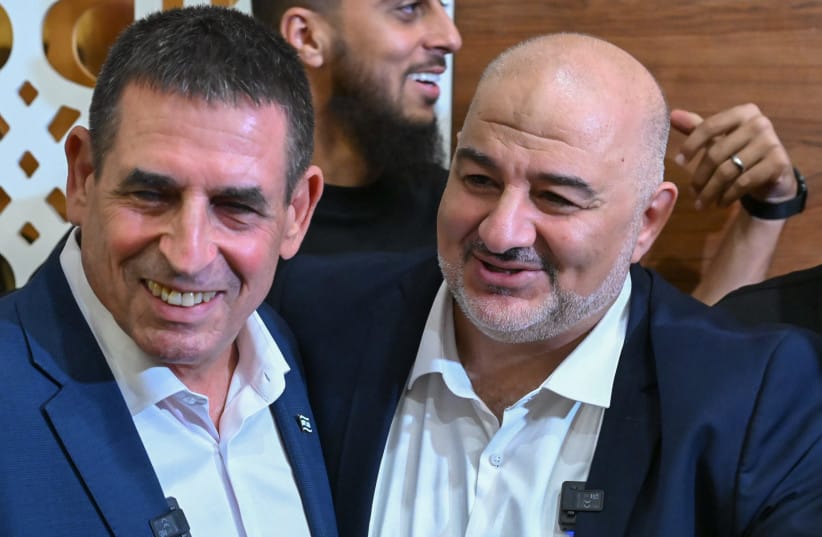
Hadash-Ta’al, Balad reunite under the Joint List, Ra'am runs independently
The move follows Ra’am, Hadash-Ta’al, and Balad running separately in the previous election and not signing an excess votes agreement. In the current election, Hadash-Ta’al and Balad have reunited under the Joint List, while Ra’am, led by Mansour Abbas, is running independently.
A Maariv poll published Friday found that the Joint List would receive seven seats and Ra’am five, giving the two Arab parties a combined total of 12 seats.
An excess votes agreement allows two parties that pass the electoral threshold to be considered together when distributing seats that remain after the initial allocation. The agreement does not guarantee that every vote will be “preserved,” but it can increase the chances that one of the two parties will receive an additional seat under the Bader-Ofer method.
KioskNews shows a cleaned-up reading view extracted from the publisher’s page — the original always lives on their site, not ours.