Duchess of Edinburgh dons heart-shaped glasses for good cause during Antigua summit
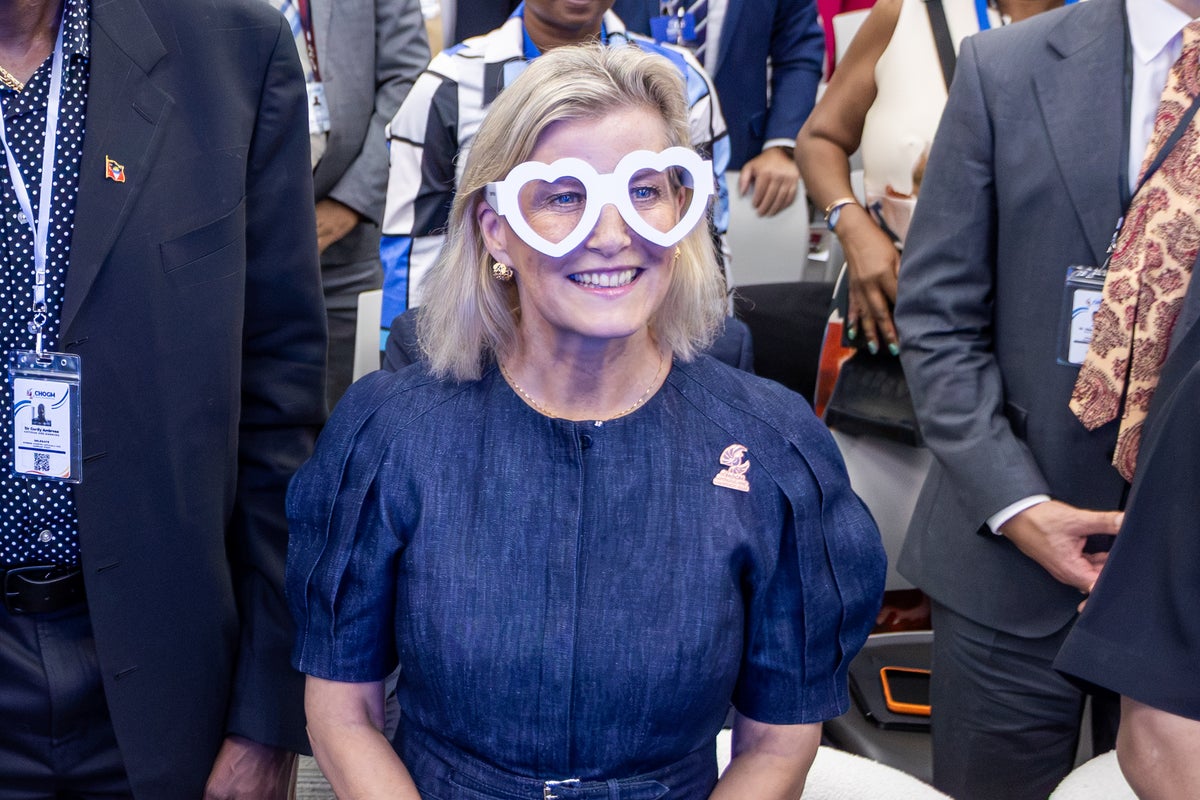
The Duchess of Edinburgh has donned a pair of heart-shaped glasses and told a global summit that tackling avoidable blindness must be treated as seriously as any other health challenge.
Sophie, who is a global ambassador for the International Agency for the Prevention of Blindness, made the remarks in a speech on Monday to the inaugural Global Summit for Eye Health in St John's, Antigua and Barbuda.
She said: "For too long treatable and avoidable blindness has been overlooked, perceived perhaps as a non-vital and non-life-threatening condition.
"However, the treatment of avoidable blindness is as imperative as any other health challenge, not only because it prevents individuals from losing their window onto the world, curtailing life chances and choices, but if treated with low cost and effective interventions there are huge returns to be had.
“Simply put – it just does not have to happen and the rewards are huge.”
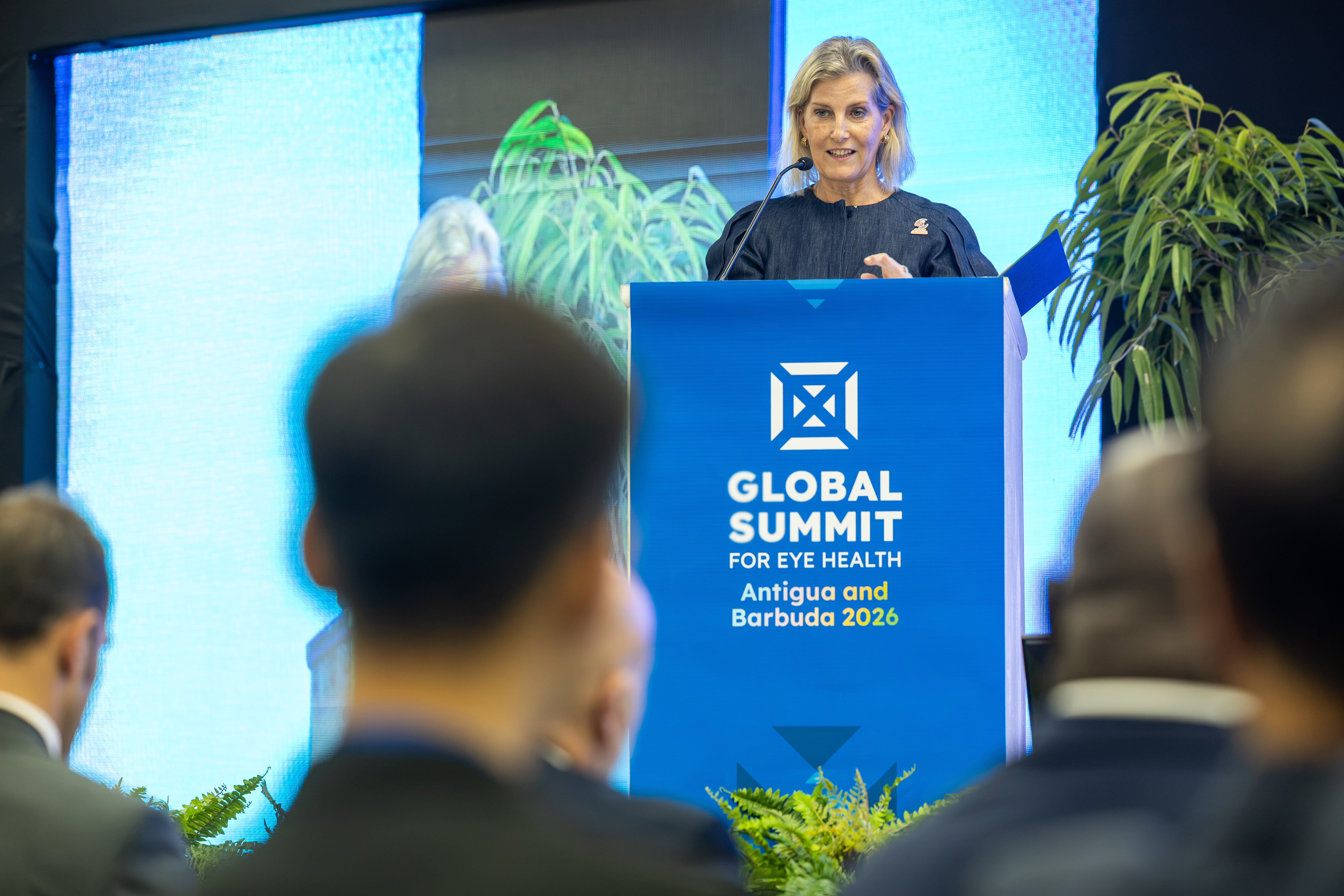
The summit, which is being held alongside the Commonwealth Heads of Government Meeting, secured some 200 commitments to transform eye health worldwide.
These included more than US$1 billion in government pledges to tackle avoidable sight loss.
Delegates also promised 68 million glasses and 13 million cataract surgeries.
During the event, the duchess joined delegates in putting on a pair of white heart-shaped novelty frames to raise awareness of the drive to improve eye health across the world.
Her visit coincided with the King and Queen's official tour to the Caribbean nation.
However, the royals did not meet during the duchess's brief trip because of their busy programmes.
The duchess also spoke of witnessing sight being saved through operations and screening during her role with the agency.
She added: "What always stays with me is the stories from those people: A mother who can prepare a family meal safely and read to her children.
"A student who can finally see the board in class because they have received prescription lenses. A father who can return to meaningful employment. A grandmother whose independence and dignity has been given back to her.
“I have seen so many times how one person’s sight being restored changes a whole family, as well as a whole community.”
Sophie also visited an eye clinic supported by the Cure Blindness Project.
There she met Antiguan nurses who recently completed specialist ophthalmic training and are helping expand access to eye care services across the country.
KioskNews shows a cleaned-up reading view extracted from the publisher’s page — the original always lives on their site, not ours.