India’s food inflation surges to 7.74%, weak monsoon spikes prices amid El Niño risks
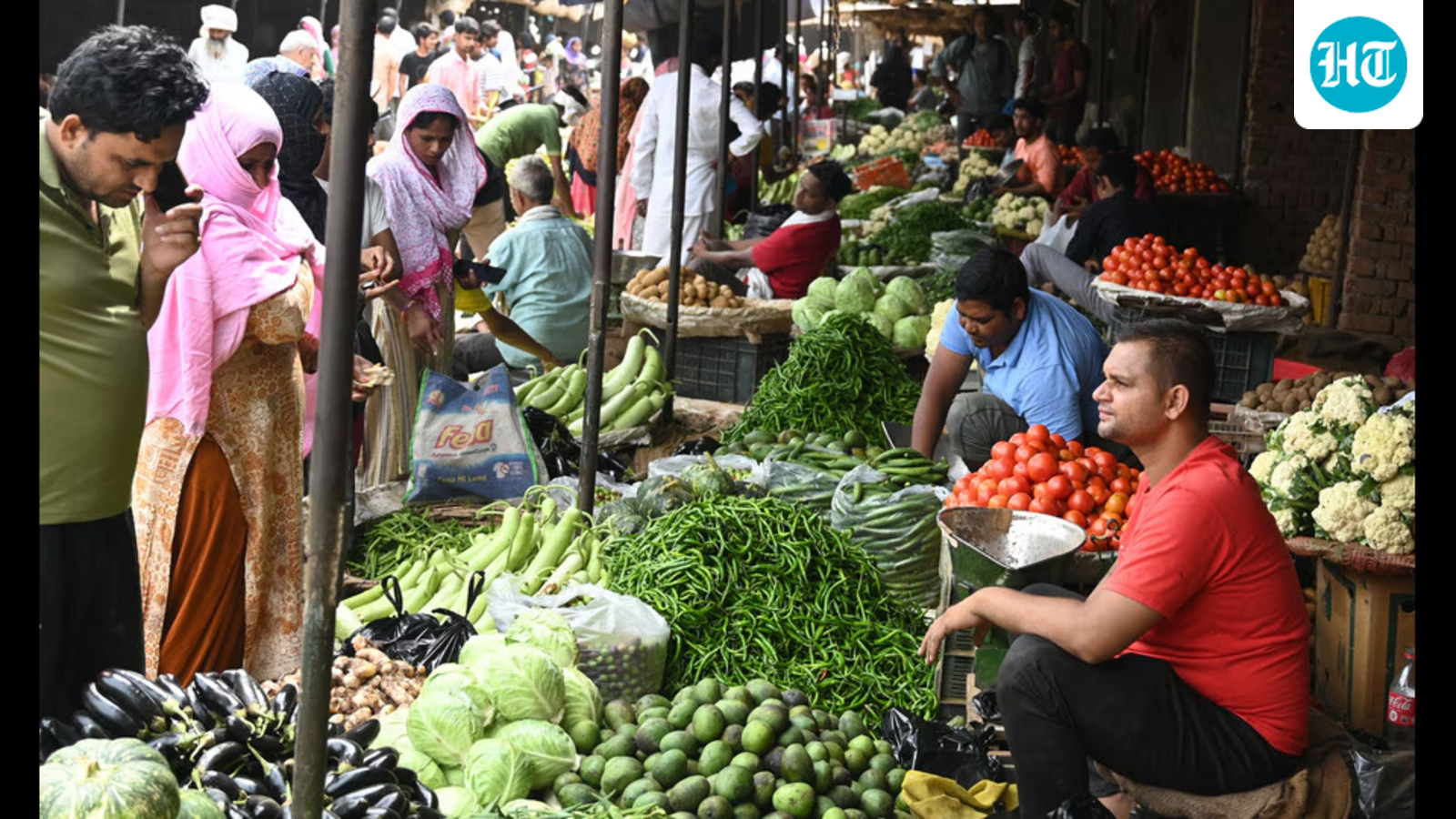
India’s food inflation surged to 7.74% in September from 5.97% in August, driven by a sharp spike in onion prices, rising ginger and garlic costs, and mounting risks to agricultural production from deficient rainfall. Economists warn the pressure could persist into 2027 if El Niño conditions intensify.
El Niño is a periodic warming of sea surface temperatures in the Eastern Pacific every two to seven years. It can last up to 12 months and affect rainfall and temperature patterns. The World Meteorological Organisation has warned this year’s El Niño may be stronger than anything since monitoring began and literally off the charts.
Onion prices more than doubled over the year, with inflation accelerating to 108.09% in September from 48.78% in August, according to National Statistics Office data released on Monday. Ginger inflation stood at 62.85%, garlic at 54.62% and lemon at 36.41%.
The increase comes as India faces the prospect of a particularly strong El Niño that can weaken the monsoon. The country received its lowest June-September rainfall in more than a decade. The season’s rainfall was fourth-lowest since 2001 and 13th-lowest since 1901, as per India Meteorological Department data.
Parts of key agricultural states, including Maharashtra, Andhra Pradesh, Punjab and Haryana, are facing extreme drought conditions, adding to concerns about crop output, soil moisture and reservoir levels.
“We reckon that beyond oil-related input costs, adverse weather is adding to food-price pressures, with El Niño potentially persisting into 2027,” said Emkay Global Financial Services lead economist Madhavi Arora.
Crop level issues
Crop-specific supply constraints are adding to the pressure on vegetables and spices. Garlic production in Rajasthan, one of the major producing states, is estimated at only about 60% of the previous year’s level, said Deepak Pareek, founder of HnyB, a consulting organisation. The production shortfall is tightening supplies and keeping prices elevated, he said.
Ginger prices are facing pressure from a combination of domestic supply losses and a firm international market. Pareek said last year’s crop was of poor quality, leading to losses during storage. Higher export prices, following a crop failure in Nigeria, are also increasing prices, while the health of the upcoming kharif crop is a concern, particularly in Maharashtra and Karnataka.
The Department of Consumer Affairs’ price-monitoring data point to pressure on household staples. On September 24, the average retail price of rice was ₹46.43 per kg, against ₹43.15 a year earlier. Tur dal cost ₹125.18 per kg, compared with ₹116.12, while packed groundnut oil was ₹210.04 per kg, against ₹188.53.
These increases suggest that pressure extends beyond a handful of vegetables, although prices are not rising uniformly across the food basket. Potato inflation remained negative at 11.50% in September. Tomato prices were 8.62% lower than a year earlier.
Global prices and a low base
The increase in food inflation also reflects movements in global commodity prices and the statistical base against which annual inflation is calculated.
Dipti Deshpande, senior director and principal economist at Crisil, said food prices had been the principal driver of inflation and that the increase was broadening beyond the food basket. She added food inflation reflected a low statistical base, surging onion prices and a near-synchronised rise in global prices of rice, wheat, maize, edible oils and sugar.
A low base can magnify the annual inflation rate when prices are compared with an unusually low level in the previous year. It does not, by itself, mean that prices have risen sharply in the latest month.
Global commodity prices also matter for India because imports influence domestic availability and costs, particularly for edible oils. Higher crude oil prices can add to the cost of transporting and producing food, including through fuel, fertilisers and other agricultural inputs.
Rabi crop at risk
The next test for food prices will be whether the rainfall deficit affects yields and the transition to the rabi season, when farmers sow crops harvested in spring. “Food inflation is likely to remain firm in the coming months as weak rainfall weighs on agricultural output,” Deshpande said.
She warned that bajra, tur, maize, groundnut, rice and soybean remain vulnerable in regions where rainfall deficits coincide with limited irrigation.
Concerns are also mounting over the rabi crop because of low soil-moisture levels and elevated temperatures.
KioskNews shows a cleaned-up reading view extracted from the publisher’s page — the original always lives on their site, not ours.