Philippines eyes drones and ‘system of systems’ to boost asymmetric defence
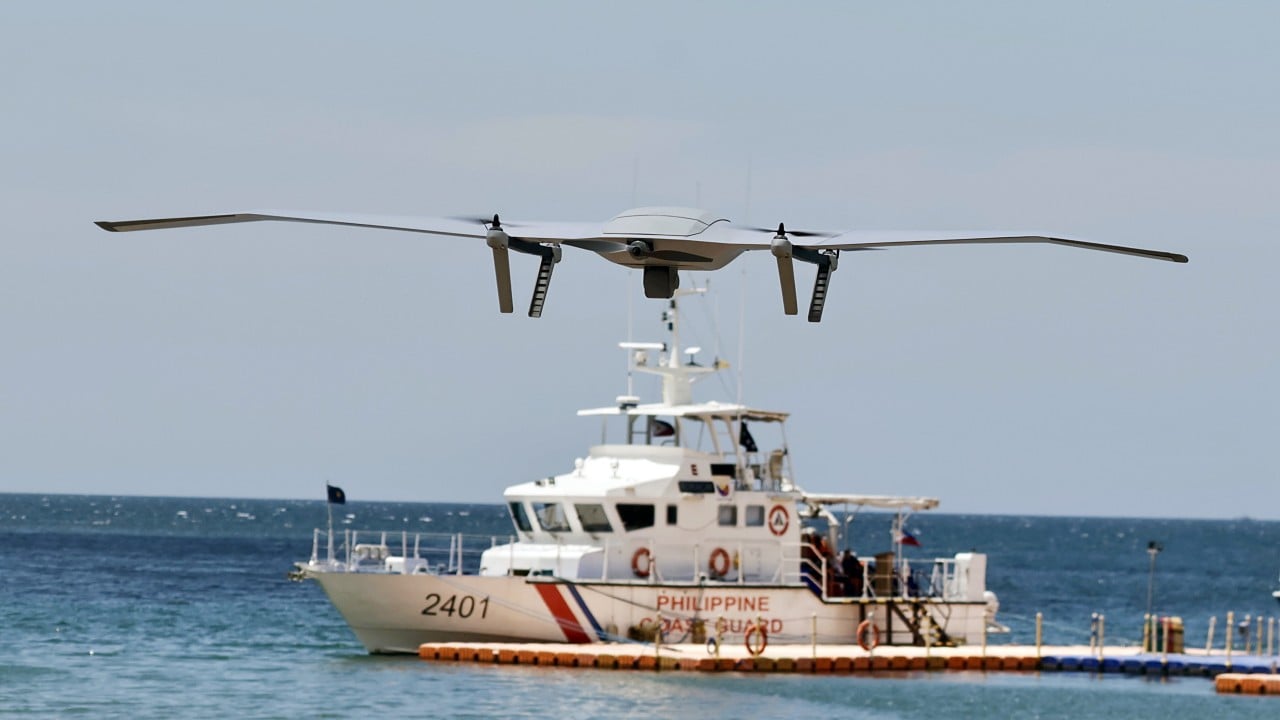
Facing a far larger Chinese military presence at sea, the Philippines is looking to drones not as a substitute for warships and aircraft but as a relatively low-cost way to make its forces harder to find, suppress and outmanoeuvre, analysts have said.
The administration of President Ferdinand Marcos Jnr has focused on expanding the military’s drone fleet as part of its external defence strategy. Defence Secretary Gilberto Teodoro Jnr told lawmakers on Tuesday that Manila also needed to secure communications, artificial intelligence and operational networks to integrate unmanned systems into military operations.
During a House appropriations committee hearing on the Department of National Defence’s proposed budget, Teodoro said the initiative would be funded through a proposed 50 billion-peso (US$810 million) allocation for military modernisation in 2027, a 25 per cent increase from this year’s budget.
“We have to integrate the capabilities and have proper working procedures in using them,” Teodoro said. “We currently have a fleet of unmanned aerial vehicles, which provide intelligence, surveillance and reconnaissance services for us. As we mature on the cycle, then we can acquire more.”
Acquiring drones was not the main challenge, he said, the more sensitive issue involved the systems they carried and the capabilities those systems could provide.
“Initially, we have to have the connectivity and the network capabilities to operate them as real time as possible … Connectivity and the security of connectivity is paramount for us,” he added, noting they were in “close contact” with several countries with drone expertise.
KioskNews shows a cleaned-up reading view extracted from the publisher’s page — the original always lives on their site, not ours.