Envoy says China could ‘easily win’ conflict as Manila claims it is ‘thinly veiled threat’
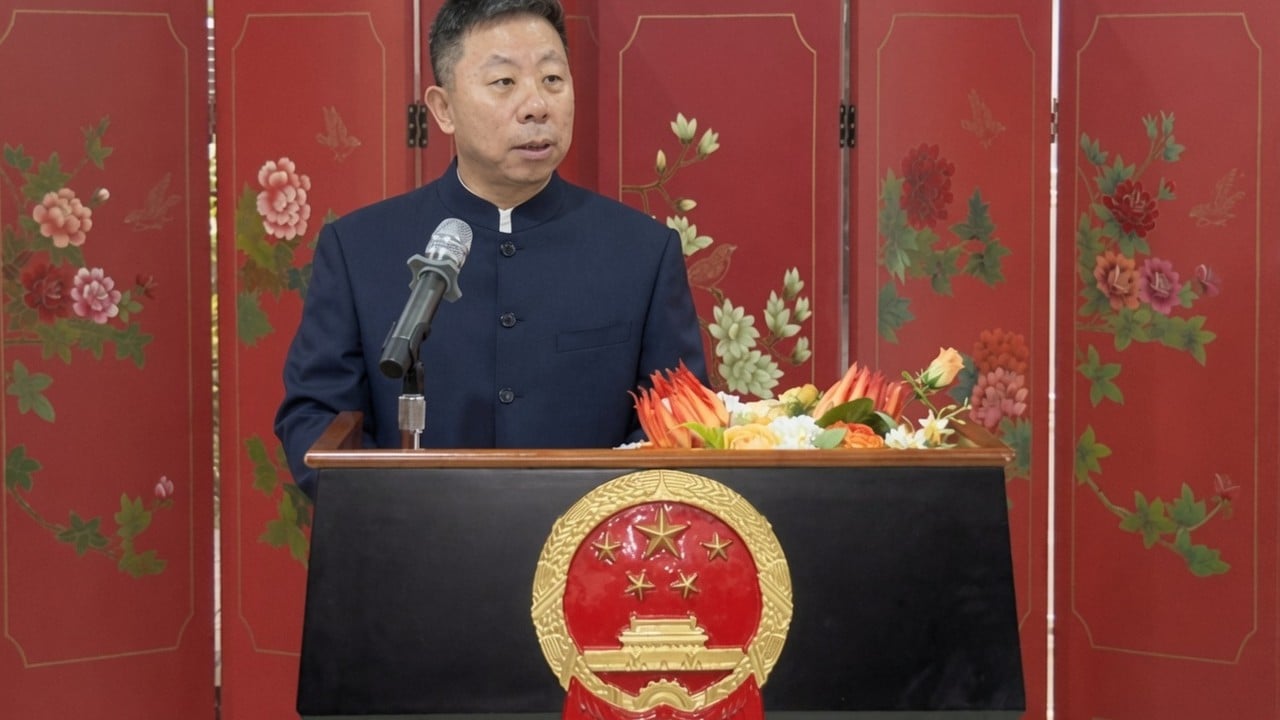
The Chinese ambassador to the Philippines says Beijing could “easily win” should it use force in the region but instead chooses peace, remarks that have drawn sharp criticism from Manila and calls for diplomatic restraint.
The war of words came as tension over the disputed Scarborough Shoal in the South China Sea rises, with Beijing repeatedly driving away Philippine aircraft over the shoal in recent months, most recently about two weeks ago, while accusing Manila of violating Chinese airspace.
Ambassador Jing Quan also pushed back against China being labelled a “troublemaker” when speaking to the media on the sidelines of a conference on the South China Sea in Quezon City in the Philippines.
09:58
Will Batanes become the next South China Sea flashpoint?
“Those groundless accusations against China try to hype up the false narrative theory, try to incite that kind of hatred between the two countries. Who every day [tries] to always create some new problems, incidents that lead two sides to confrontation? Who’s the troublemaker?
He said others should “feel fortunate enough that you have a neighbour like China in this region”.
“If we want to use force, we may easily win. But no, we’ll not use force. We love peace,” he told reporters.
Within hours, Manila criticised the Chinese diplomat’s “poor choice of words”, saying it conveyed a “thinly veiled threat of the use of force” that was “hardly helpful in the context of the complicated bilateral ties” between the two countries.
In a statement issued on Thursday evening, Manila’s foreign ministry also cautioned “all diplomats accredited to the Philippines” to choose their public words carefully, warning against eroding mutual trust or derailing bilateral dialogue.
The Chinese embassy, in turn, criticised Manila’s “selective quotation and overinterpretation” in a statement issued on Friday. It said Manila’s response showed there was “still a long way to go” towards effective bilateral communication and urged the Philippines to play a more responsible role.
The same day, when asked by the media, Philippine President Ferdinand Marcos Jnr said the Chinese ambassador’s remark sounded “very much to me like a threat”, and that it was “not a very diplomatic statement”.
Marcos added that he sought to clarify the statement’s exact meaning.
03:31
China and the Philippines trade accusations after clash in South China Sea
In his speech at the conference, Jing said China-Philippines relations were at an “extremely sensitive and critical juncture” and could not simply be defined as good or bad.
“One could say the atmosphere of relations is strained due to maritime disputes, yet the momentum of bilateral trade and people-to-people exchanges remains strong.”
Managing bilateral ties required tailored strategies suited to specific fields and issues, the ambassador noted, warning that relations could otherwise slip into a “vicious cycle of mutual targeting and retaliation” – disarray that would play right into the hands of anti-China forces.
Jing also called for greater cross-sector dialogue to share positive stories and good news that could help break the current “impasse” in bilateral relations.
Ties between Beijing and Manila have been tense in recent years, fuelled by frequent South China Sea clashes that have escalated from maritime stand-offs to confrontations in the air.
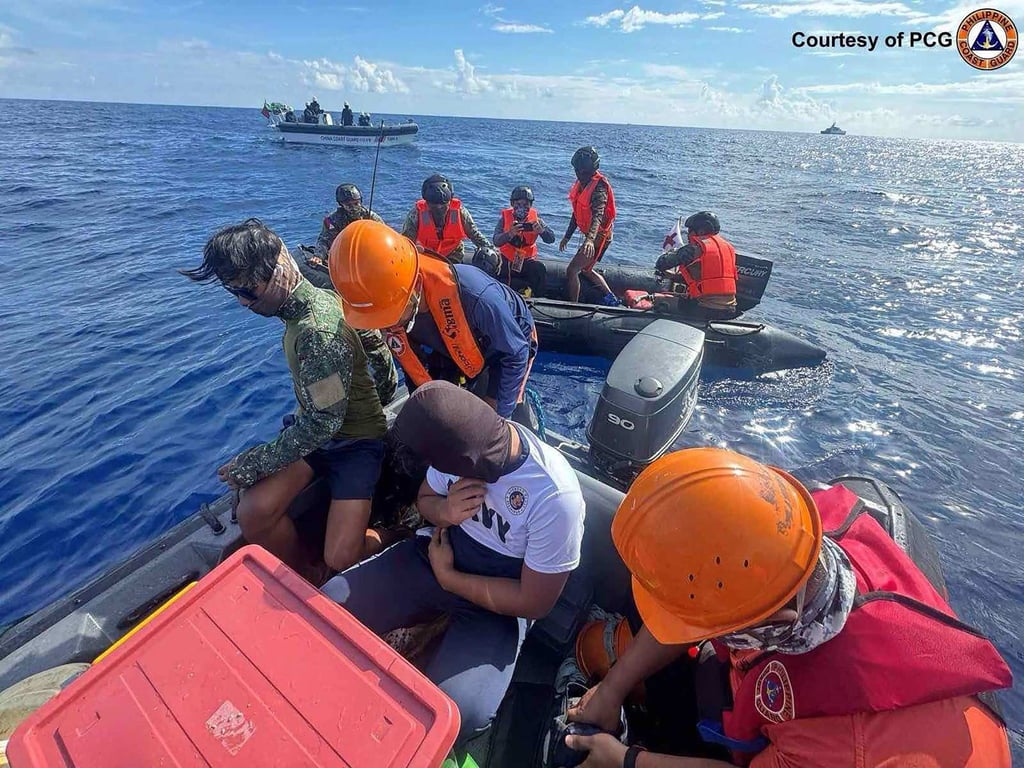
Scarborough Shoal – a coral atoll known as Huangyan Dao in China and Panatag Shoal in the Philippines – has been a major flashpoint. It has been under Beijing’s effective control since 2012, but Manila says it falls within its exclusive economic zone.
KioskNews shows a cleaned-up reading view extracted from the publisher’s page — the original always lives on their site, not ours.