Inside the secret wartime bunker rediscovered beneath white cliffs of Dover
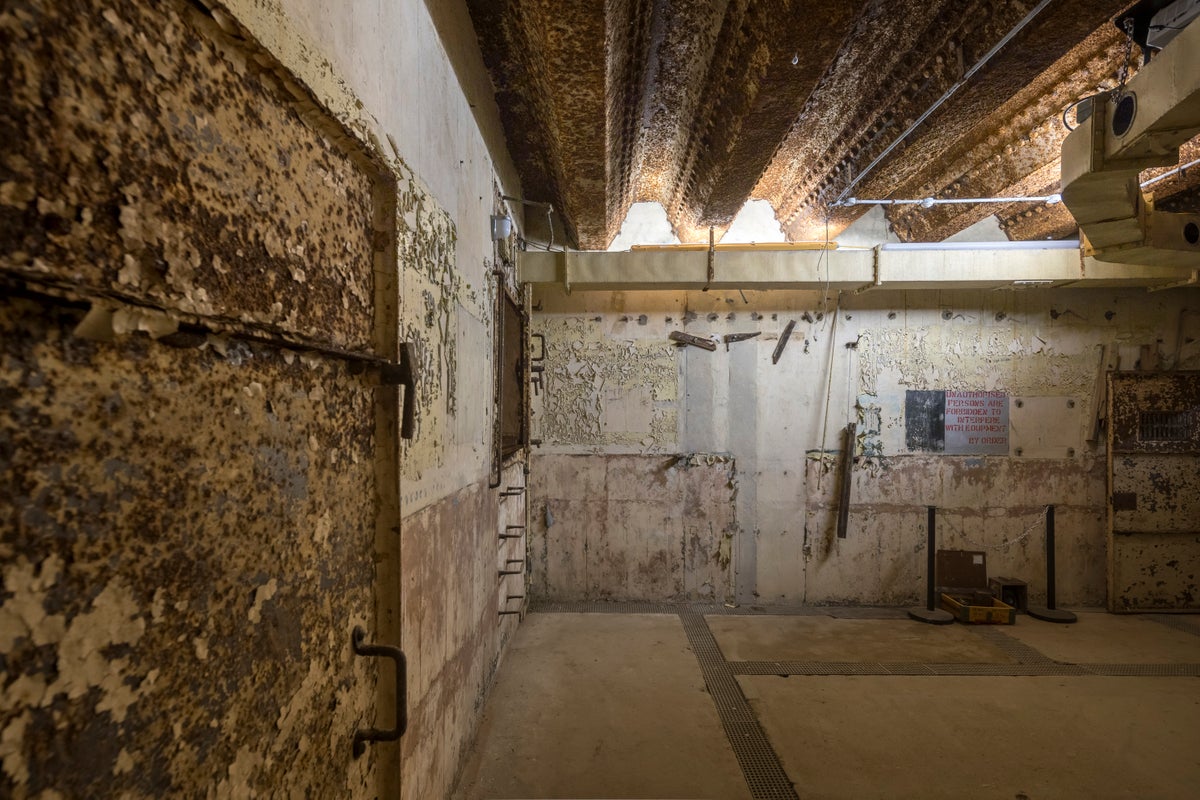
A Second World War operations room buried deep inside Dover's white cliffs is to welcome visitors for the first time.
The Fan Bay Plotting Room was built in 1940, when Britain's front line sat at the Strait of Dover after the fall of France.
From its position beneath the cliffs, those working in room helped direct the guns defending the strait.
Some of the most advanced military technology of its era was housed there, including a fire direction table used to calculate firing data and co-ordinate artillery operations.
Its construction formed part of a national priority to strengthen Britain's coastal defences during the war.
Dover, just 21 miles from occupied France, endured shelling attacks from across the Channel and became known as part of Hellfire Corner.
The secret site was abandoned after the war and buried under soil in the 1970s.
Rediscovery came in 2017, after which the plotting room became the focus of National Trust research and conservation.
It will open to visitors from Friday.
Jon Barker, of the National Trust, said: "There's something very special about standing in a place that has changed so little since the people who worked here left.
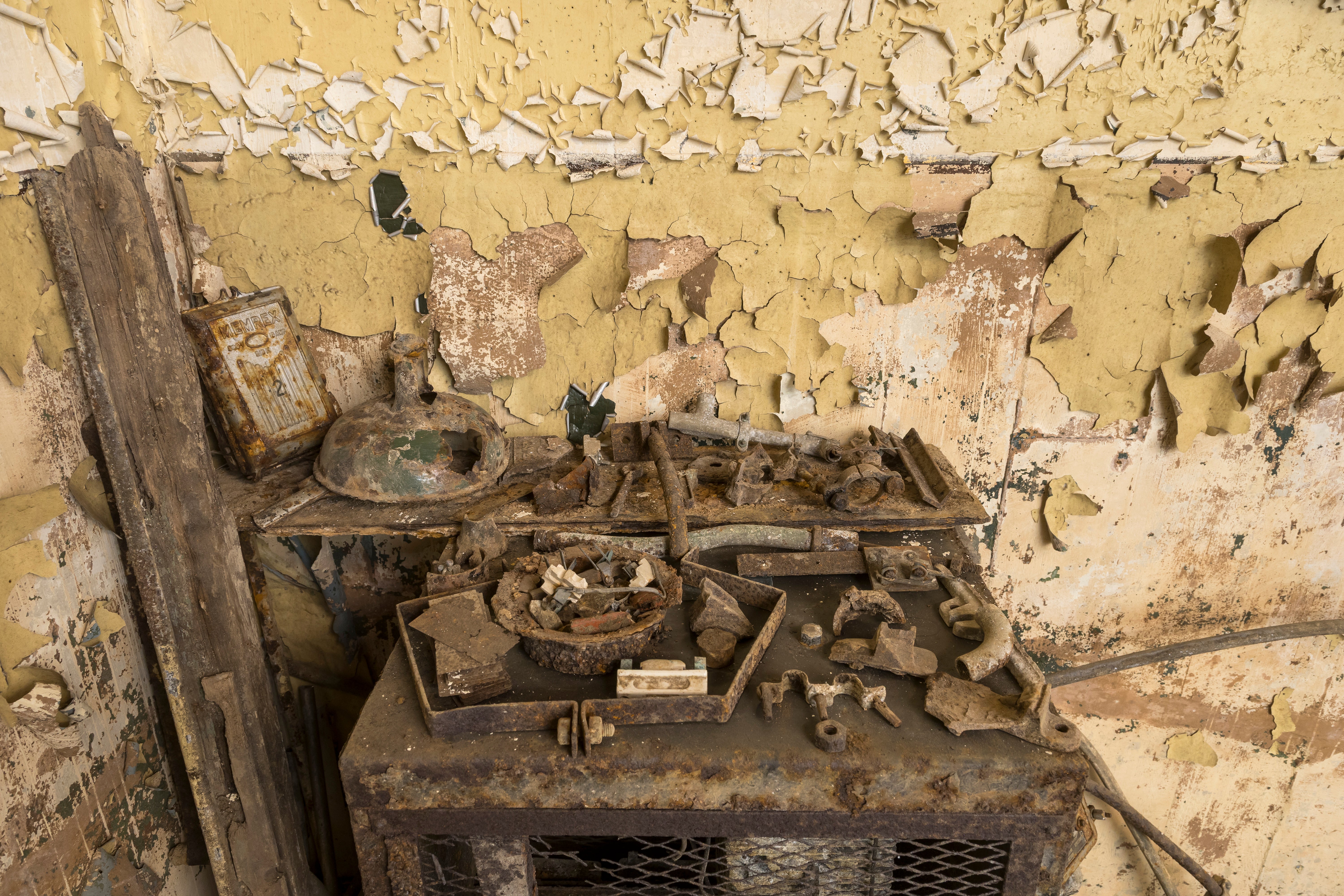
"Rather than recreate the past, we've carefully conserved the plotting room so visitors can experience it much as we found it, with all the marks of its history still visible.
“It’s a rare opportunity to discover a completely different side of the white cliffs, and a fitting tribute to everyone who has helped bring this remarkable place back into public view.”
Peeling paint, wartime graffiti and exposed pipes and ducts all remain in the underground space as it was found.
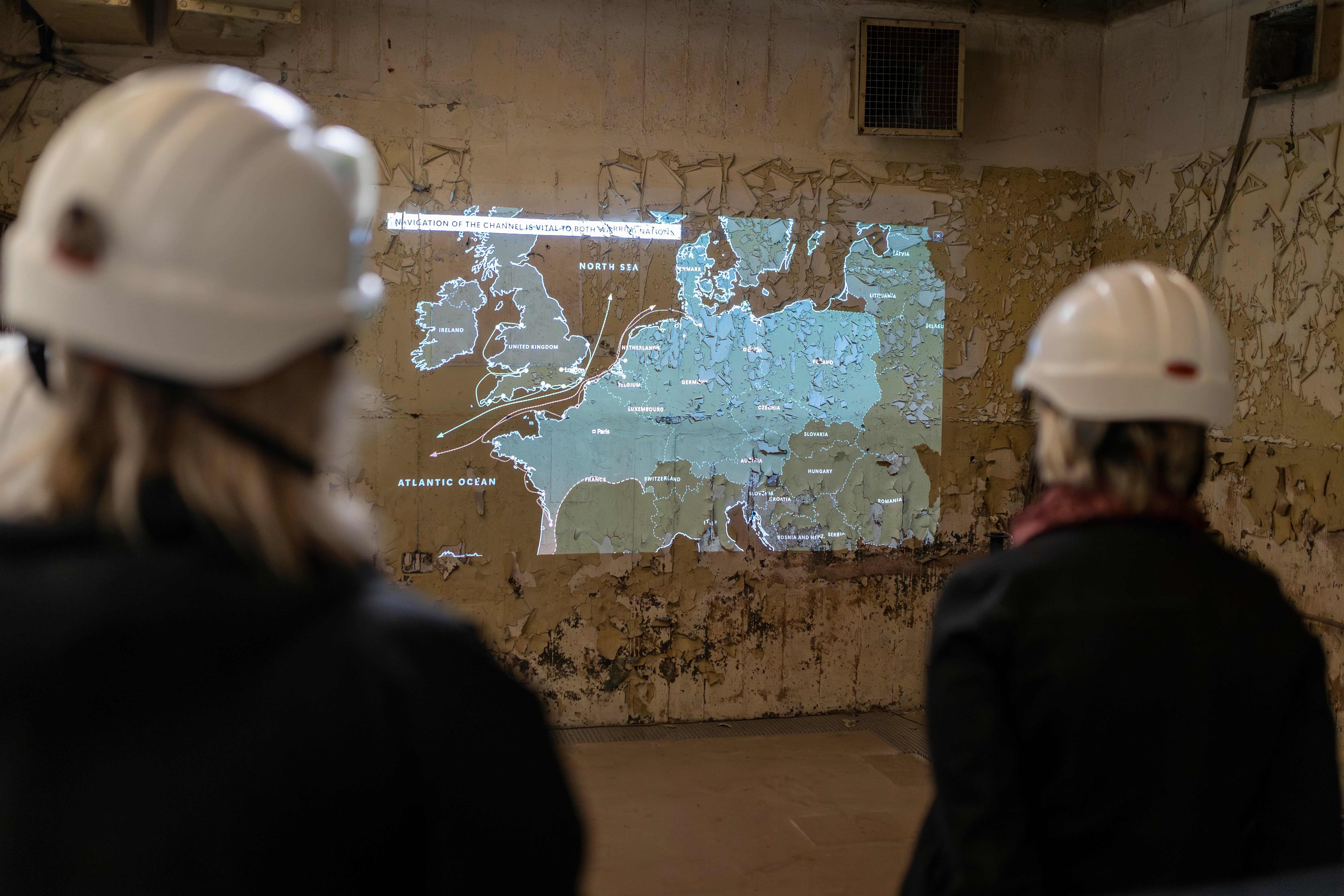
Volunteers working alongside the physical preservation of the site have also unearthed the personal stories of those who served at Fan Bay.
The research has “changed how I see the room”, White Cliffs of Dover volunteer Gordon Wise said.
“A name in a service record, or a detail in a photograph, helps connect the surviving marks on the walls with someone's working day.
“There are still questions to answer, but each discovery helps us build a clearer picture of the people behind the machinery.”
Bookings for tours of the plotting room must be made in advance through the National Trust.
KioskNews shows a cleaned-up reading view extracted from the publisher’s page — the original always lives on their site, not ours.