More than 1,000 rally at Hong Lim Park over Maju Forest, Gillman Barracks plans
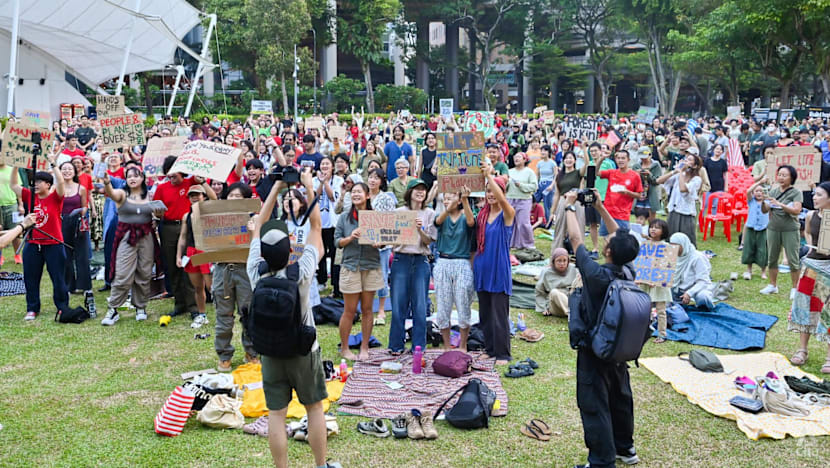
Participants called for more transparency in land-use decisions and voiced concerns over the loss of green spaces, days after the government said it would retain more greenery at both sites.
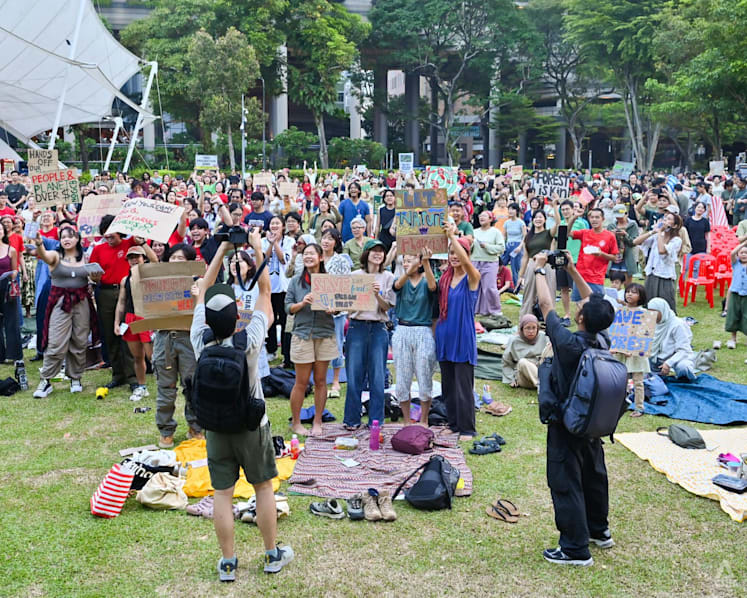
The crowd at the Maju for the People rally at Hong Lim Park on Aug 16, 2026. (Photo: CNA/Alyssa Tan)
New: You can now listen to articles.

This audio is generated by an AI tool.

16 Aug 2026 08:44PM (Updated: 16 Aug 2026 09:00PM)
SINGAPORE: More than 1,000 people took to Hong Lim Park on Sunday (Aug 16) to voice concerns over plans to develop Maju Forest and Gillman Barracks, days after the government said it would retain more greenery in response to public feedback.
The participants, many decked in green and red, called for nature areas to be protected at the Maju for the People rally, organised by advocacy group SG Climate Rally.
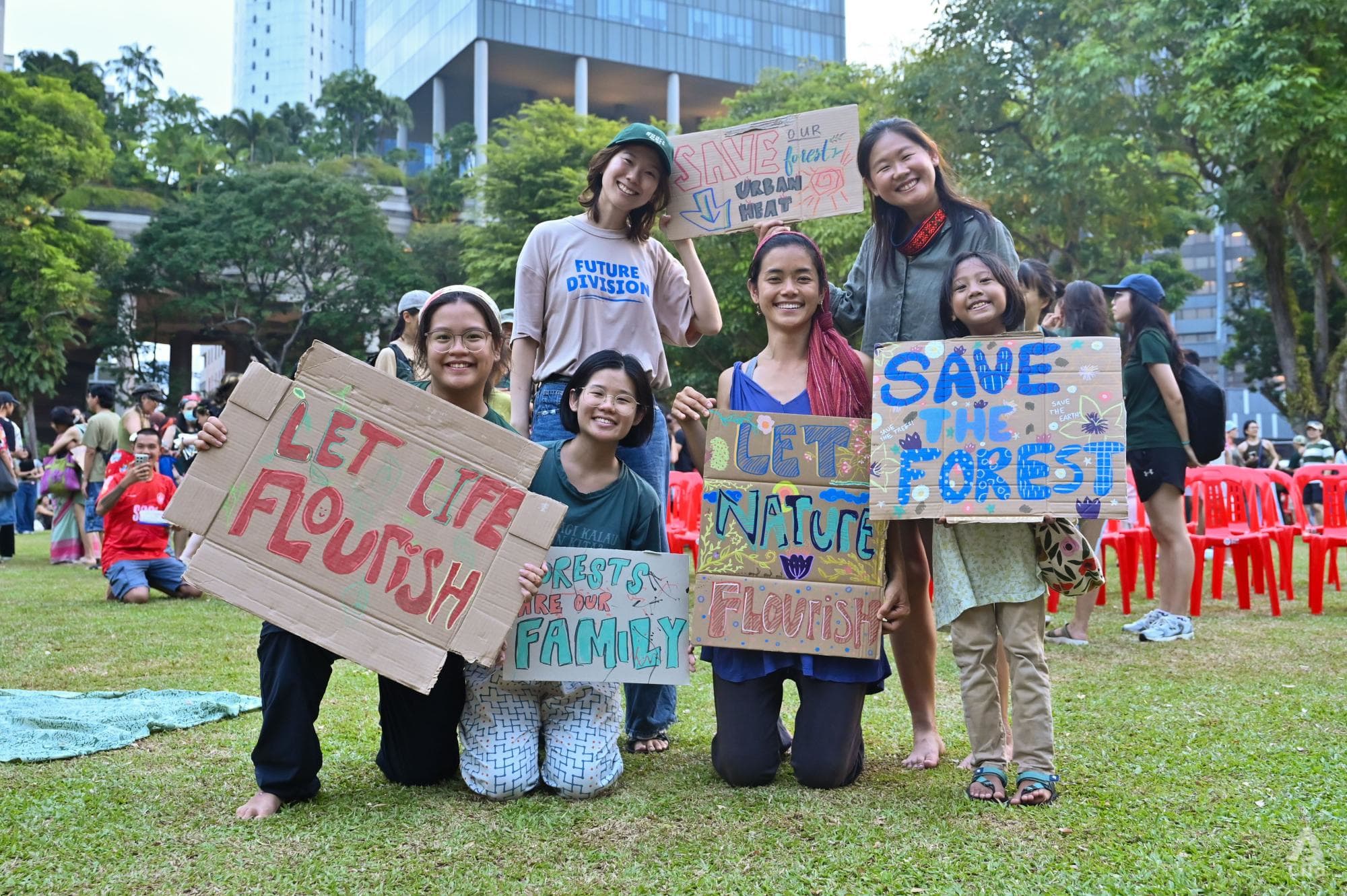
Amid the late afternoon heat, activists sat on picnic mats and held up placards bearing messages such as "Forests are our family" and "Destroying forests is not maju" – a play on the Malay word "maju", which means progressive.
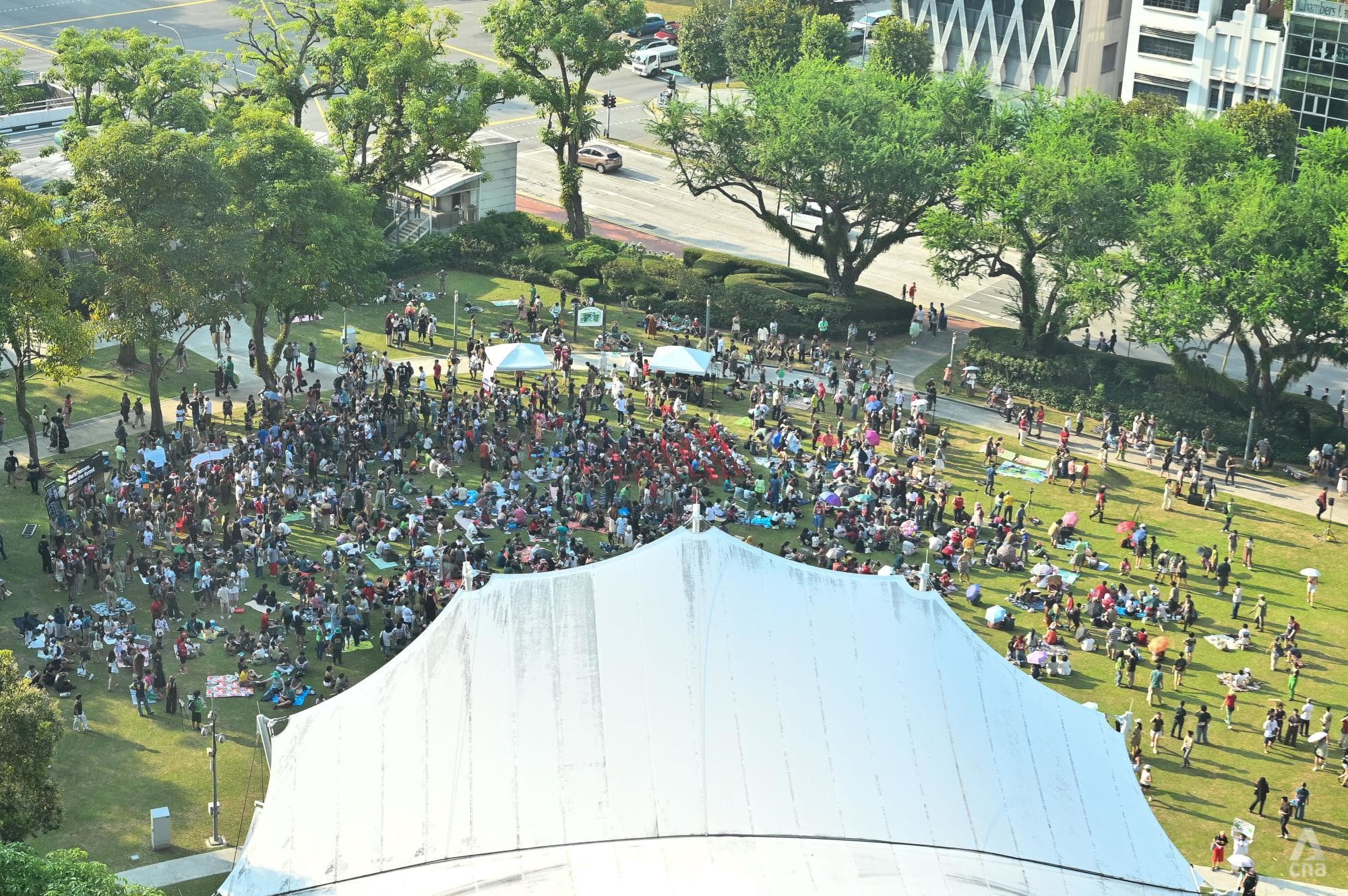
Based on aerial shots of the crowd, CNA estimated the turnout at more than 1,000.
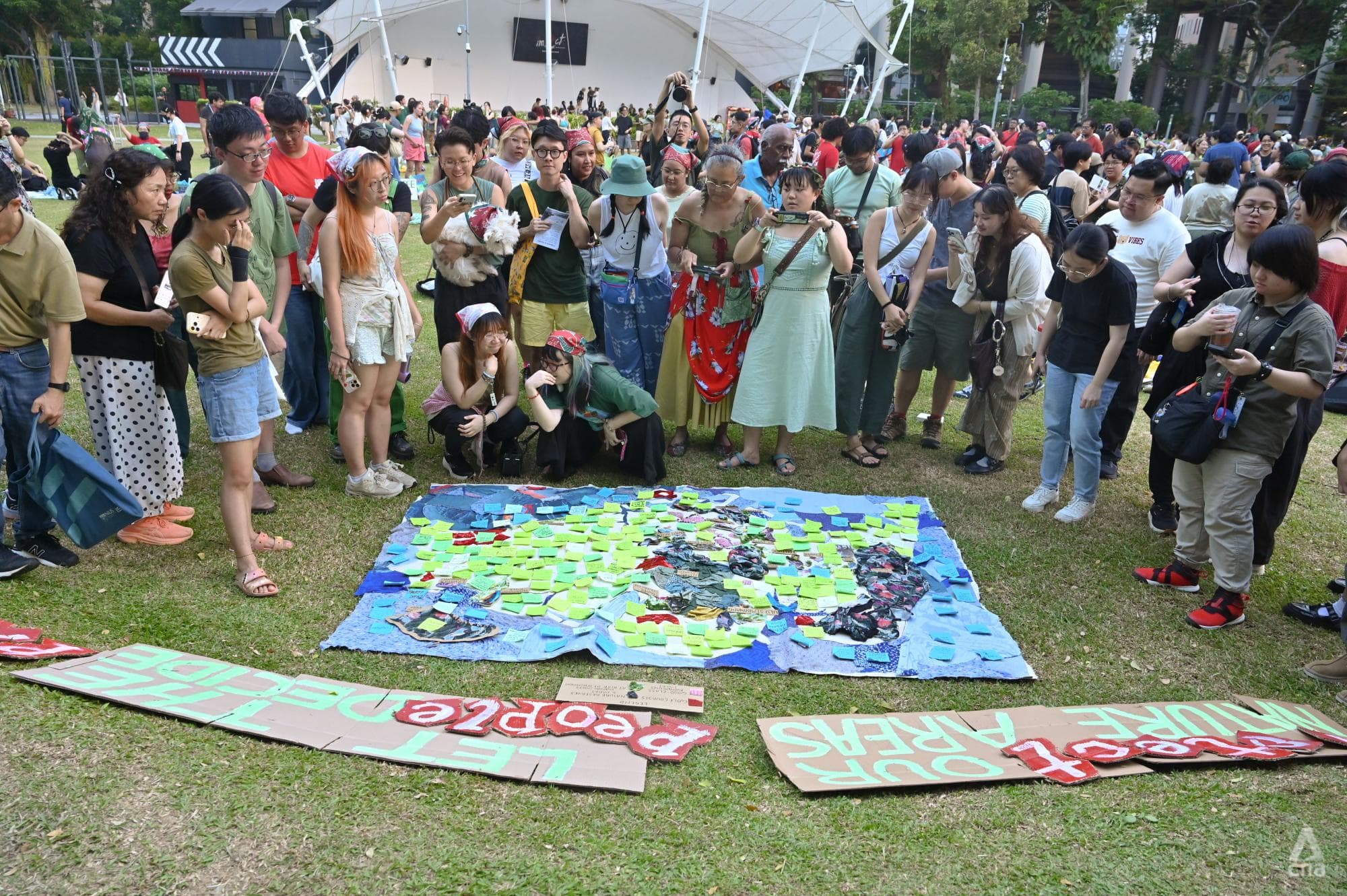
The three-hour programme, which started at 3.30pm, included activities such as postcard writing, as well as speeches and sing-alongs by environmental advocates with backgrounds in ecology, economics and education, among others.
Ms Aznikah Nizar, 28, hoped the rally would spur the authorities to consider how the development plans could be reorganised without clearing the forest.
"It's not too late because they haven't started clearing the forest yet," said the private tutor. "My worry is that they do take feedback into account but still push through anyway. Because I think this is unlike other things, this is something that's really irreversible.
"Once the forests are gone, they are just gone."
Participants also raised broader questions about the loss of forests and natural spaces, access to nature and public participation in decisions over land use and access to information.
WEEKS OF DEBATE
The Housing and Development Board (HDB) announced on Jul 10 that Sunset Way and Gillman Barracks would be developed for housing, following the completion of environmental and heritage studies.
The plans would clear about 15ha of Maju Forest and at least 10ha of forest at Gillman Barracks, prompting concerns from residents and nature groups over the potential loss of biodiversity and ecological connectivity.
The matter has since been discussed in parliament, and the government has held engagement sessions with involved parties to gather feedback.
On Friday, Minister of State for National Development Alvin Tan said the plans would be adjusted to retain more greenery at both sites. He added that this means fewer homes would be built, though the authorities have yet to announce how much additional greenery will be retained.
Under the initial plans, 40 per cent of green spaces at Gillman Barracks and 35 per cent at Maju Forest were to be retained, including forest streams and ecological connections to surrounding green spaces.
Mr Tan said the government was still receiving feedback and aimed to finalise the plans over the coming month.
HDB and the Ministry of National Development said they would publish a report summarising the feedback received and the agencies' responses before finalising detailed development plans.
PARTICIPANTS SPEAK UP
Full-time national serviceman Luo Kai Yi felt there was room for more nuance in the debate.
"The conversation doesn't need to be so either-or. I think there's a lot of space for nuance and different possibilities," said the 21-year-old, who added that he hoped public discussions could take place at an earlier stage of the planning process in future.
Several opposition politicians were also at the rally, including five Workers' Party members: Mr Dennis Tan, Associate Professor Jamus Lim, Ms Eileen Chong, Mr Kenneth Tiong and Mr Fadli Fawzi. Progress Singapore Party members were also present, including secretary-general Mr Leong Mun Wai, along with Singapore Democratic Party chairman Dr Paul Tambyah.
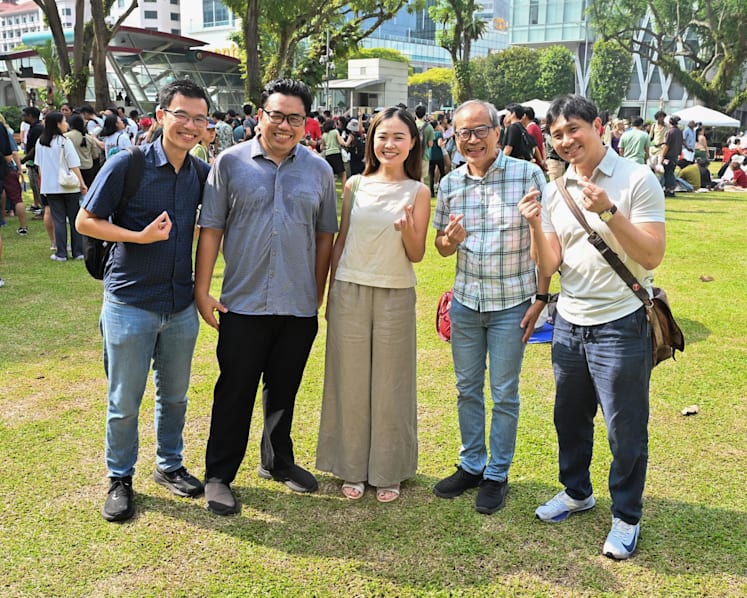
Hougang MP Dennis Tan told CNA that he and his colleagues were at the rally to show their support for Singaporeans who had spoken up on the issue.
"Many Singaporeans ... have spoken up on their views regarding the proposed redevelopment plans for Maju Forest and Gillman Barracks, and I and my colleagues are really heartened by how Singaporeans are passionate about preserving our very few green spaces left," Mr Tan said.
"There are lots more questions to ask and we hope that the government will continue to review its way of consulting Singaporeans ahead of having any redevelopment plans in our limited green spaces."
Assoc Prof Jamus Lim, who is an MP for Sengkang, said it was clear that Singaporeans understood the issue ultimately involved trade-offs.
"But I don't think that's the debate that Singaporeans are actually interested in having, what they are interested in having is to understand the nature of the trade-offs."
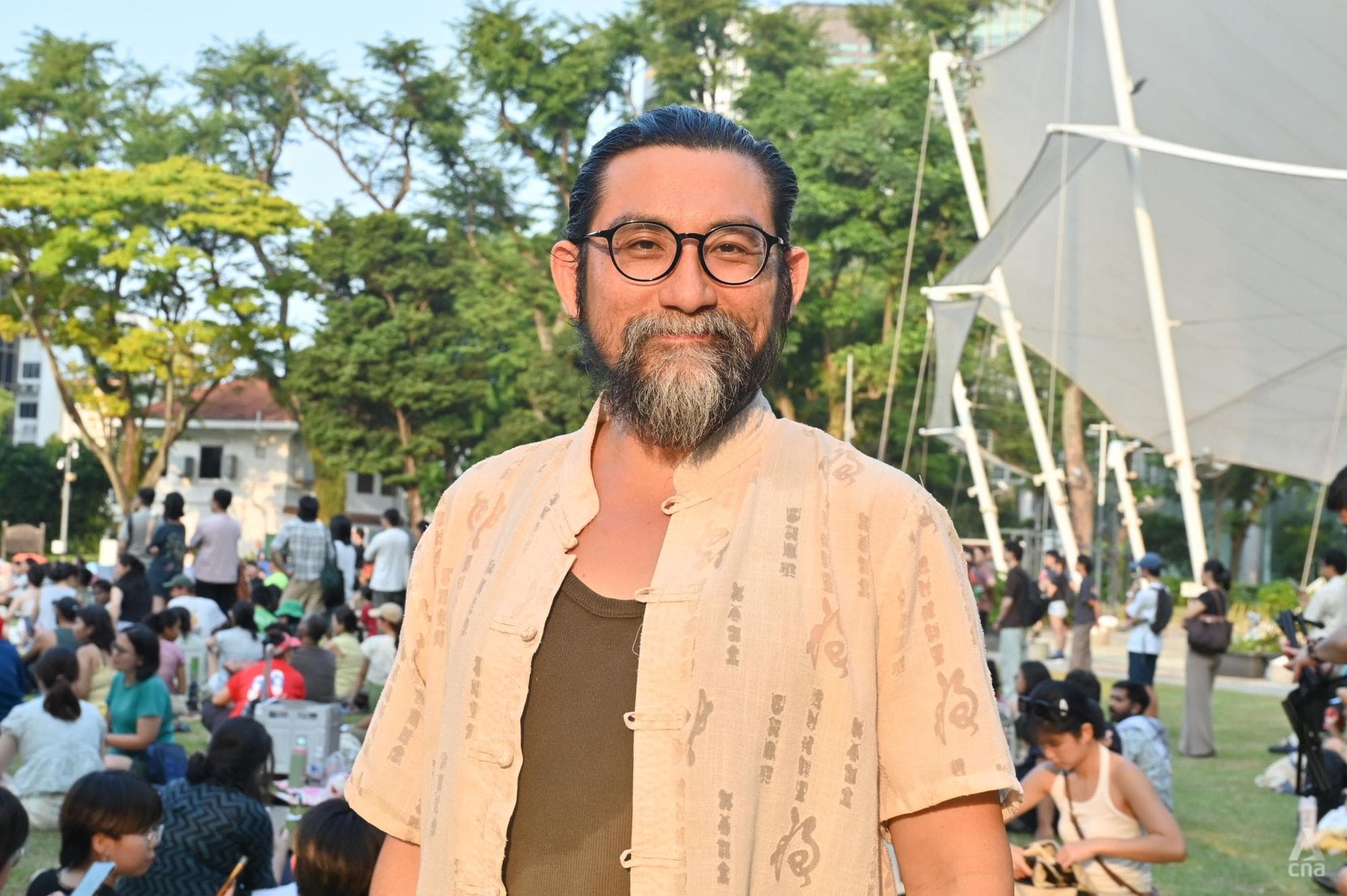
Artist Terence Tan, 45, attended the rally with his wife and young daughter. He said being a father had shaped how he viewed the issue, as the concerns being raised by young people today could one day be those of his daughter and her generation.
He added that he hoped his daughter would continue living in Singapore, and that he wanted to better understand and support the concerns younger Singaporeans had about climate change and the loss of green spaces.
"There's a certain sentiment that is a bit absent in the conversation now ... The equation is very pragmatic as opposed to understanding the sentiment of the youth, which is that they are afraid of global warming, they are going to inherit a planet that is heating up," he said.
In a statement after the event, SG Climate Rally said it was heartened by the turnout and that it will continue advocacy efforts with residents.
The group called for the developments at the sites to be paused until the government provides more details on the need for housing in the areas and its consideration of alternative sites.
It also sought broader changes, including stronger safeguards for nature spaces, mandatory environmental impact assessments before sites are earmarked for development and more inclusive public participation in decisions.
KioskNews shows a cleaned-up reading view extracted from the publisher’s page — the original always lives on their site, not ours.