Zoho’s Sridhar Vembu on Airtable layoffs: We refused to do this, ‘we will see in 2030’
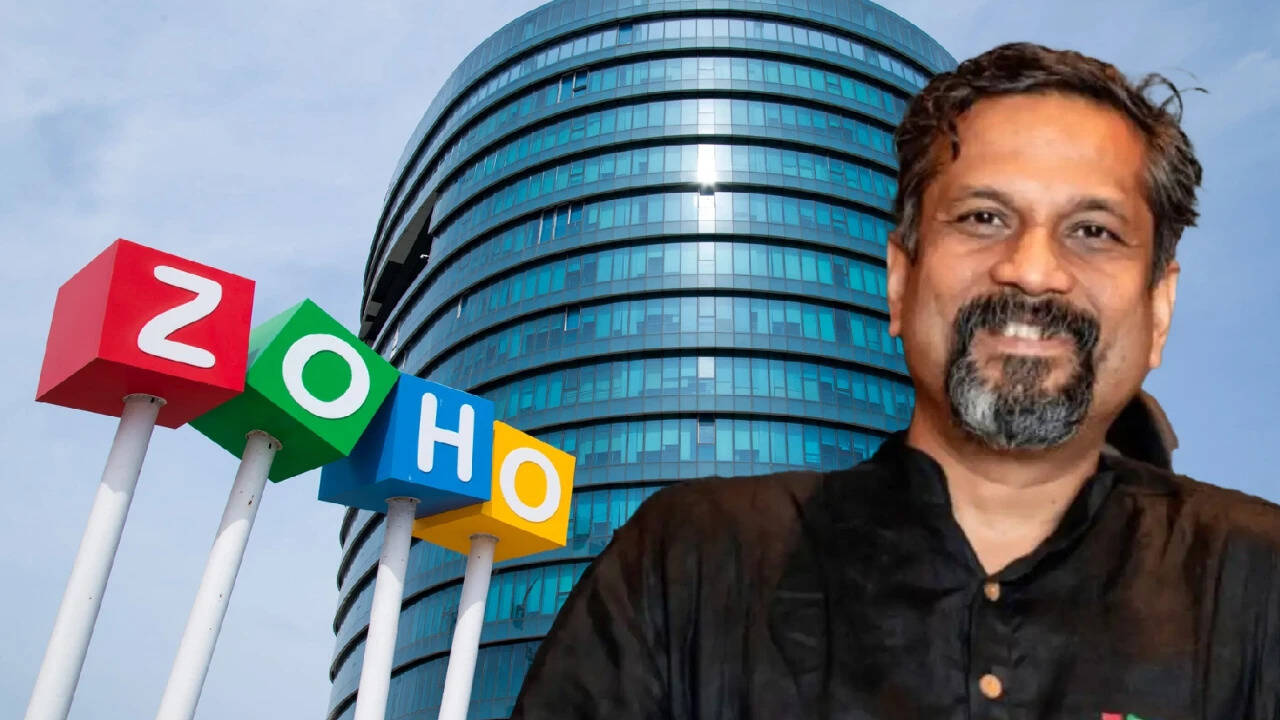

Zoho founder Sridhar Vembu has reacted to a recent layoffs at SaaS rival Airtable, saying that his company has deliberately chosen not to reduce its workforce even as artificial intelligence improves productivity and increases pressure on operating costs.
The comments made by Vembu came after Federico Simionato of Bending Spoons, the company that owns Airtable, announced that a large portion of Airtable's workforce was being laid off as part of a strategy focused on smaller, more efficient teams. In a post shared on social media platform X (formerly known as Twitter), Simionato said that the layoffs were "not a reflection" of employees' performance but rather a result of the company's belief that "small teams ship more and better."
He outlined plans for Airtable to accelerate product development through a leaner structure, including a core team focused on customer-requested features and new investments in products such as Omni, Airtable Canvas, MCP capabilities and infrastructure improvements.
‘This is normal in SaaS’
Reacting to the announcement, Vembu quoted Airtable's layoff message and described the move as a common practice within the software-as-a-service industry.
However, he stressed that Zoho has intentionally avoided taking the same route. "From Airtable, a SaaS competitor: 'Today we're laying off a large part of the Airtable team. This is not a reflection of their work but a reflection of our deep belief that small teams ship more and better,'" Vembu wrote."This is normal in SaaS. This is what we have refused to do," he added, drawing a clear distinction between Zoho's workforce strategy and that of many venture capital-backed and publicly listed technology companies.
Retraining employees instead of cutting jobs
Vembu argued that AI-driven productivity gains should not automatically translate into workforce reductions. Instead, he said, employees can be retrained and redeployed to support new initiatives and improve customer engagement. "When AI productivity enables smaller teams, we retrain people to deploy on new products or helping customers better," Vembu said.The comments reflect Zoho's long-standing stance on employment, with the company often emphasising long-term workforce development and internal talent building rather than aggressive restructuring.
Rising AI and data centre costs
At the same time, Vembu acknowledged that the company is not immune to the financial pressures facing the broader technology sector. He said Zoho's business continues to grow, but increasing expenditure on data centres and AI infrastructure is putting pressure on costs."Our business is growing but there is a lot of pressure on the cost side (data center and AI costs). We have chosen a different approach than VC-funded and public companies," he wrote.
‘We will see in 2030’
Vembu concluded his remarks with a long-term challenge to the industry's prevailing approach toward productivity and headcount. "We will see in 2030," he wrote, suggesting that the ultimate success of competing strategies, downsizing versus retraining and redeployment, will become clearer over time.
Read Sridhar Vembu’s complete post here
From Airtable, a Saas competitor: "Today we’re laying off a large part of the Airtable team.This is not a reflection of their work but a reflection of our deep belief that small teams ship more and better."This is normal in Saas. This is what we have refused to do.When AI productivity enables smaller teams, we retrain people to deploy on new products or helping customers better.Our business is growing but there is a lot of pressure on the cost side (data center and AI costs). We have chosen a different approach than VC-funded and public companies.We will see in 2030.
KioskNews shows a cleaned-up reading view extracted from the publisher’s page — the original always lives on their site, not ours.