Hong Kong lawmakers back 5-year plan as firms urged to align with blueprint
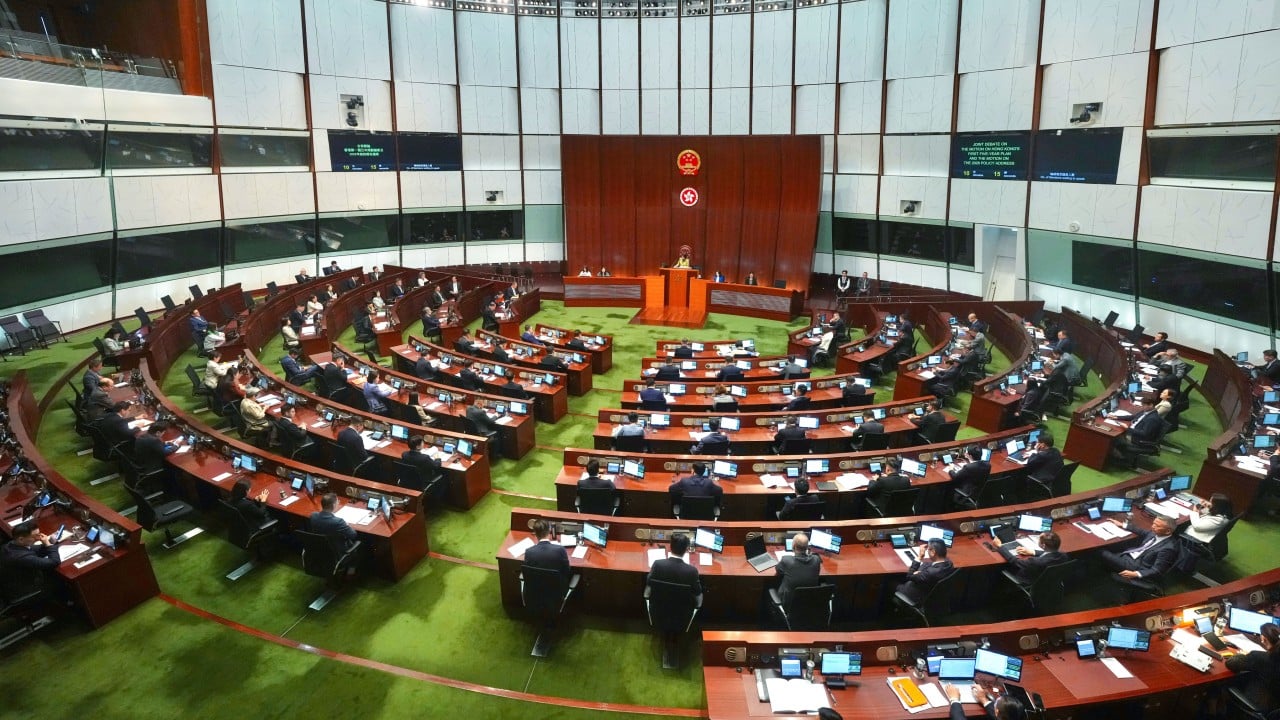
Hong Kong’s legislature has passed motions supporting the city’s first five-year plan and thanking Chief Executive John Lee Ka-chiu for his latest policy address, while Beijing’s top representative in the city urged mainland Chinese enterprises to align themselves with the government’s blueprint.
At the close of a three-day Legislative Council debate on Friday, Chief Secretary Eric Chan Kwok-ki thanked lawmakers for their suggestions, saying they would help improve governance.
“The process of formulating the city’s five-year plan and the in-depth discussion at the Legislative Council have demonstrated a positive interaction between the administration and the legislature, with both striving for the best for Hong Kong,” he said.
“I believe that, as long as we work together, remain proactive and pragmatic, we will be able to fully implement the five-year plan, create a better future for residents and make Hong Kong a bridge connecting China and the world.”
While backing the two motions, lawmaker Junius Ho Kwan-yiu said the five-year plan had plenty of content but lacked concrete targets.
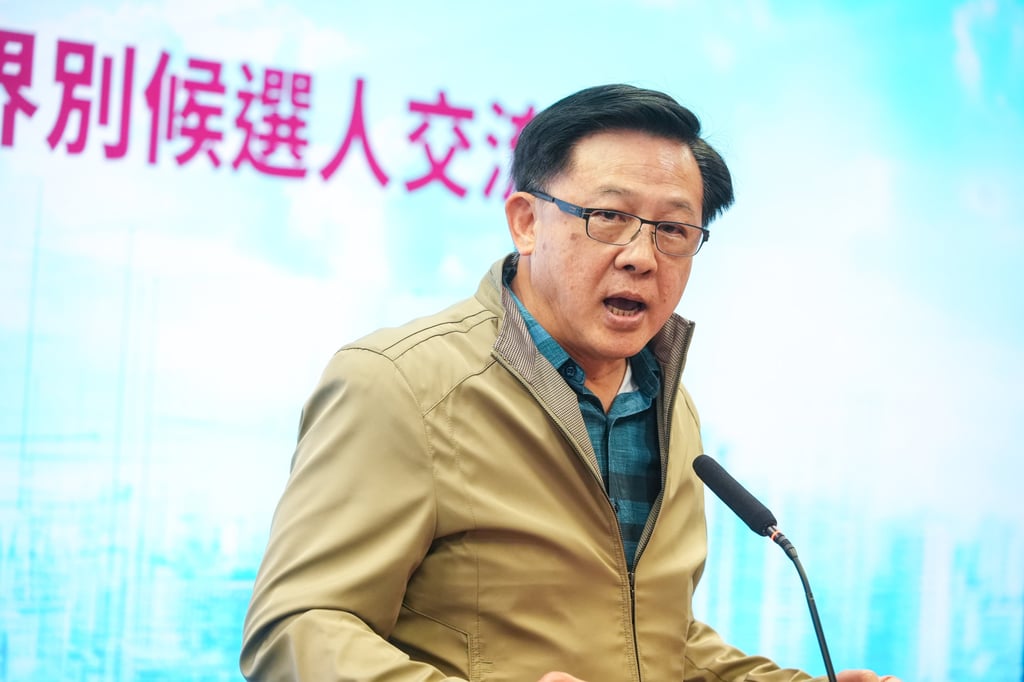
Ho pointed to the document’s description of annual gross domestic product (GDP) growth as remaining “within a reasonable range” and Lee’s explanation that Hong Kong’s economy was subject to external factors.
“I hope the government can show more determination,” Ho said.
Lee unveiled the annual policy address last month alongside the five-year plan, which aims to align Hong Kong’s development with the national development strategy.
The two documents set out initiatives to accelerate the Northern Metropolis megaproject and strengthen the city’s position in finance, aviation, maritime services, trade and technology.
Some lawmakers highlighted the government’s coming tasks, such as rebuilding public confidence in the malpractice-plagued building maintenance market following the deadly fire at Wang Fuk Court in November last year that killed 168 people and displaced about 5,000.
Lawmaker Christine Fong Kwok-shan urged the government to consider setting up a statutory body to supervise building maintenance works and introducing third-party construction cost assessments, among other measures, to stamp out back-room deals and bid-rigging.
Fellow lawmaker Bill Tang Ka-piu backed a suggestion to establish a dedicated authority to monitor building renovations, saying that overcoming gridlock was an “inevitable reform”.
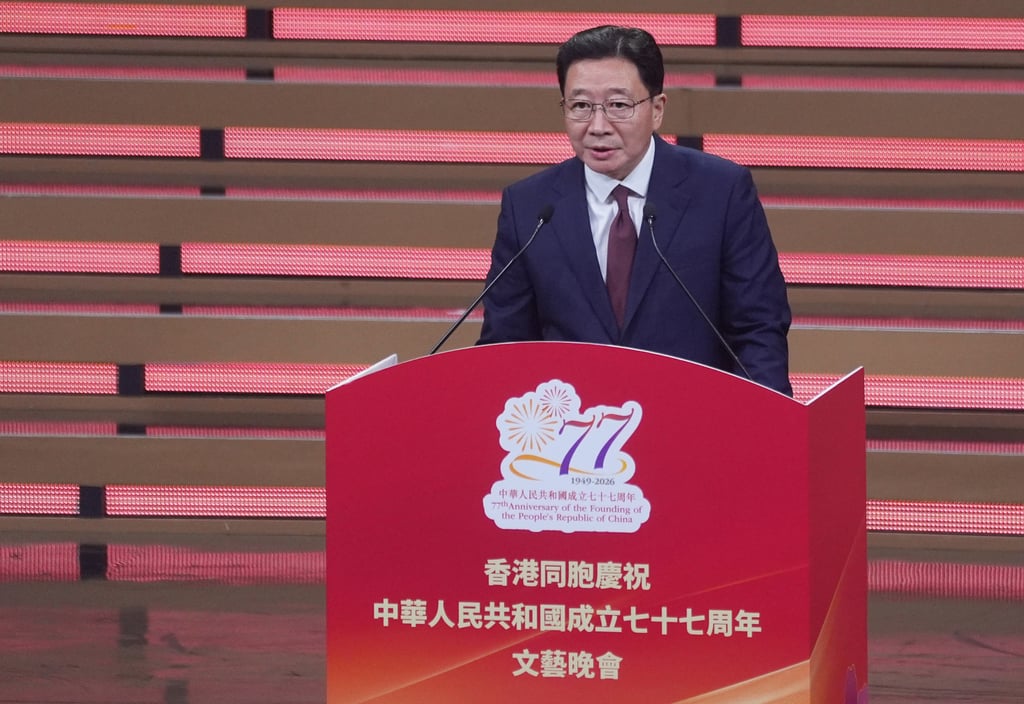
Separately, Zhou Ji, director of Beijing’s liaison office in Hong Kong, urged mainland enterprises operating in the city to align themselves with the government’s first five-year plan and play a greater role in its economic development.
Speaking at a reception hosted by a business group on Friday, Zhou outlined three expectations for mainland firms, including that they capitalise on Hong Kong’s advantages under the “one country, two systems” principle to cultivate new growth drivers.
He also called on companies to leverage Hong Kong’s position as a gateway to international markets, work closely with the government’s task force supporting mainland businesses expanding overseas, and attract more enterprises to establish a presence in the city.
Zhou further urged firms to strengthen their grass-roots engagement and charitable work to improve residents’ livelihoods and sense of well-being.
KioskNews shows a cleaned-up reading view extracted from the publisher’s page — the original always lives on their site, not ours.