Sacred splashes: ancient Chinese ritual of ‘elephant washing’ for good fortune
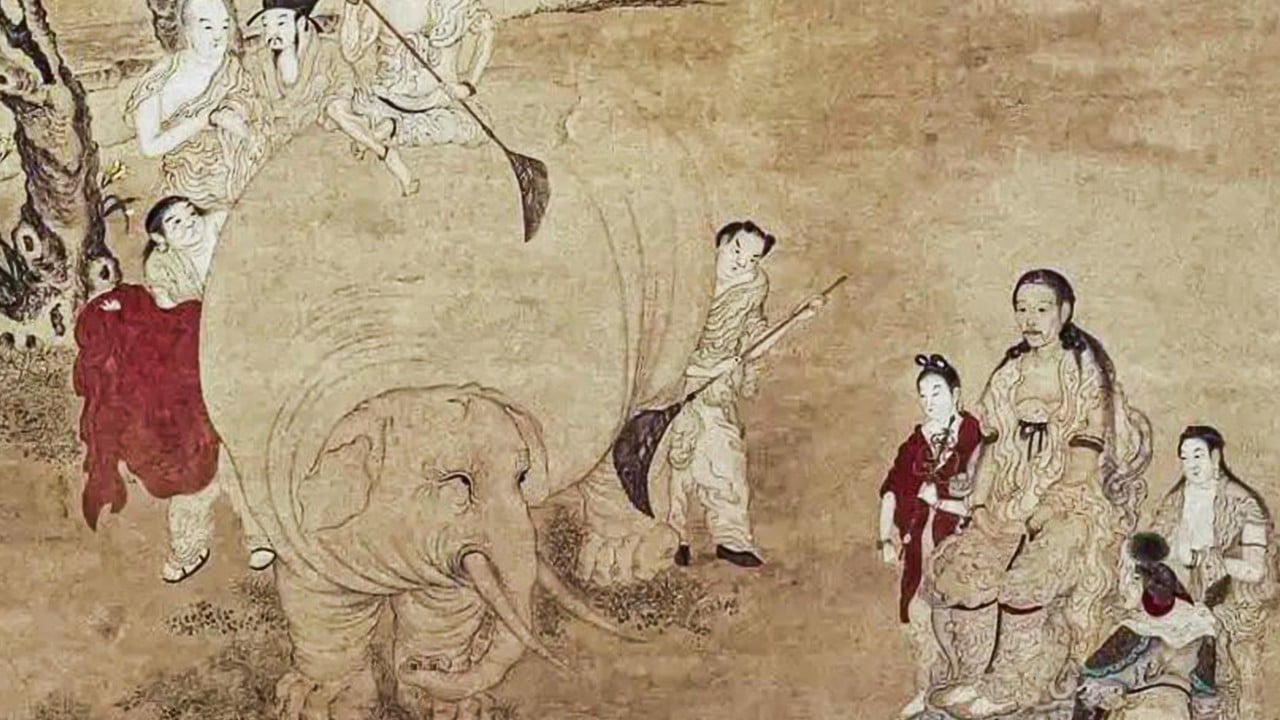
In ancient China, royal families washed elephants to pray for good fortune – until one elephant went rogue and brought the tradition to an end.
Elephants had been spotted and documented in China as early as 4000 BC. They are believed to have once been familiar animals in the Central Plains before gradually migrating south to more remote regions.
From the Han dynasty (202 BC–220), elephants were presented as tribute to the royal court. They carried deeply auspicious meanings: the Chinese word for “elephant”, xiang, is a homophone for auspiciousness, xiang – the core half of ji xiang, which means “good fortune.”
Royal families began domesticating elephants during the Jin dynasty (266–420). In the Ming (1368–1644) and Qing (1644–1912) dynasties, elephants became more closely associated with the imperial honour guard, where they were trained to embody royal majesty in ceremonies.
It was around this time that the tradition of washing elephants took hold.
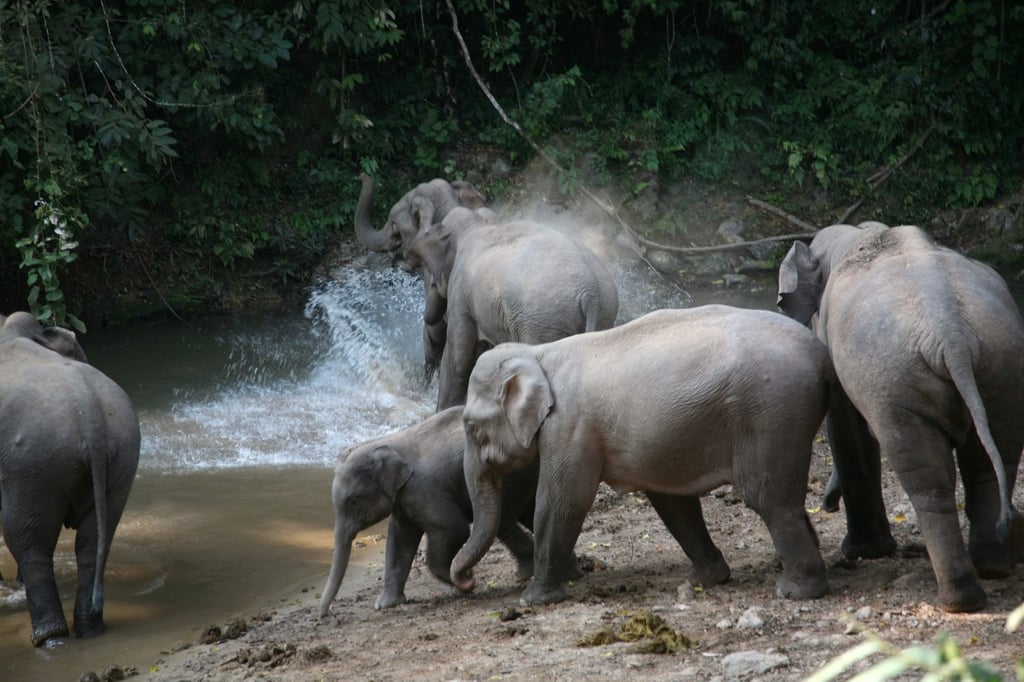
Every year during the sanfu, or “dog days of summer,” trainers led elephants to the river outside Xuanwumen Gate for a bath.
The procession could include as many as 30 elephants. At its height, the event became a festive occasion, drawing crowds to the riverbanks to watch the elephants bathe.
The magnificent scene was described in detail in the 17th century travel guide A Sketch of Sites and Objects in the Imperial Capital, written by Liu Tong and Yu Yizheng.
According to the authors, the elephants splashing in the water had the “momentum of a rising dragon.” They also noted that the bath could not last too long, or the animals would become agitated and fight.
The ritual is said to have been linked to a classic Buddhist story in which monks bathe the white elephant ridden by Samantabhadra Bodhisattva.
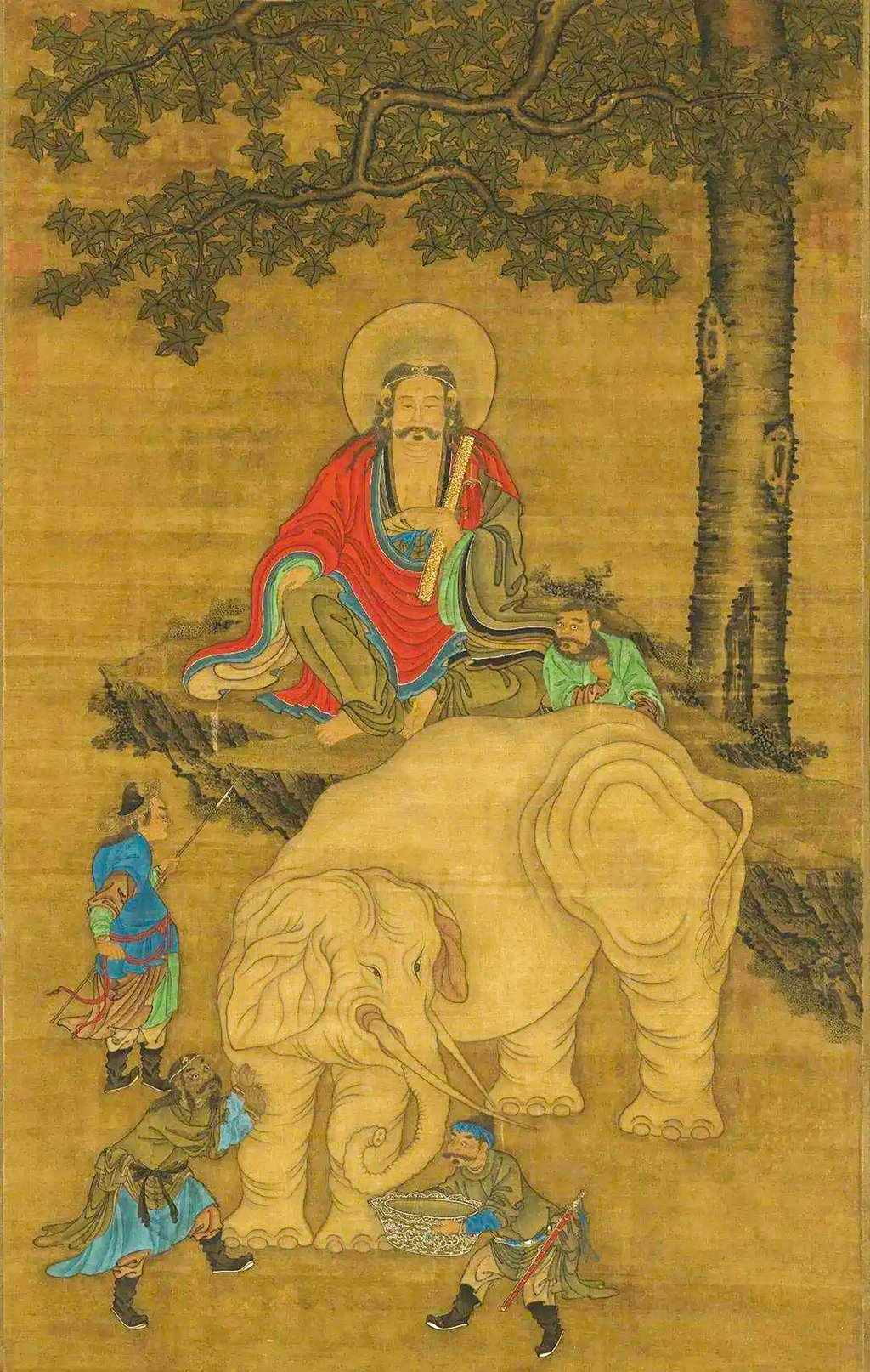
“Washing an elephant,” or xi xiang in Chinese, is also a homophone of a phrase describing the state of transcending all forms and appearances.
In traditional Chinese painting, the act of washing elephants became a distinct subject.
The theme flourished during the Ming dynasty, inspiring works by masters such as Ding Yunpeng and Cui Zizhong. The renowned Yuan dynasty (1271–1368) calligrapher and painter Zhao Mengfu also painted Bathing an Elephant.
The tradition came to an end in the late Qing dynasty, after an elephant went rogue during a parade in 1884. It crushed a general’s carriage, killed a eunuch and tried to escape through the Meridian Gate.
The elephant was eventually captured, but the court no longer dared to include elephants in its ceremonies. The remaining elephants were sent to the Beijing Agricultural Experiment Station, an early predecessor of today’s Beijing Zoo, where they spent their remaining years.
KioskNews shows a cleaned-up reading view extracted from the publisher’s page — the original always lives on their site, not ours.