Royal Navy launches drones from HMS Queen Elizabeth amid push for tech 'with increased lethality'
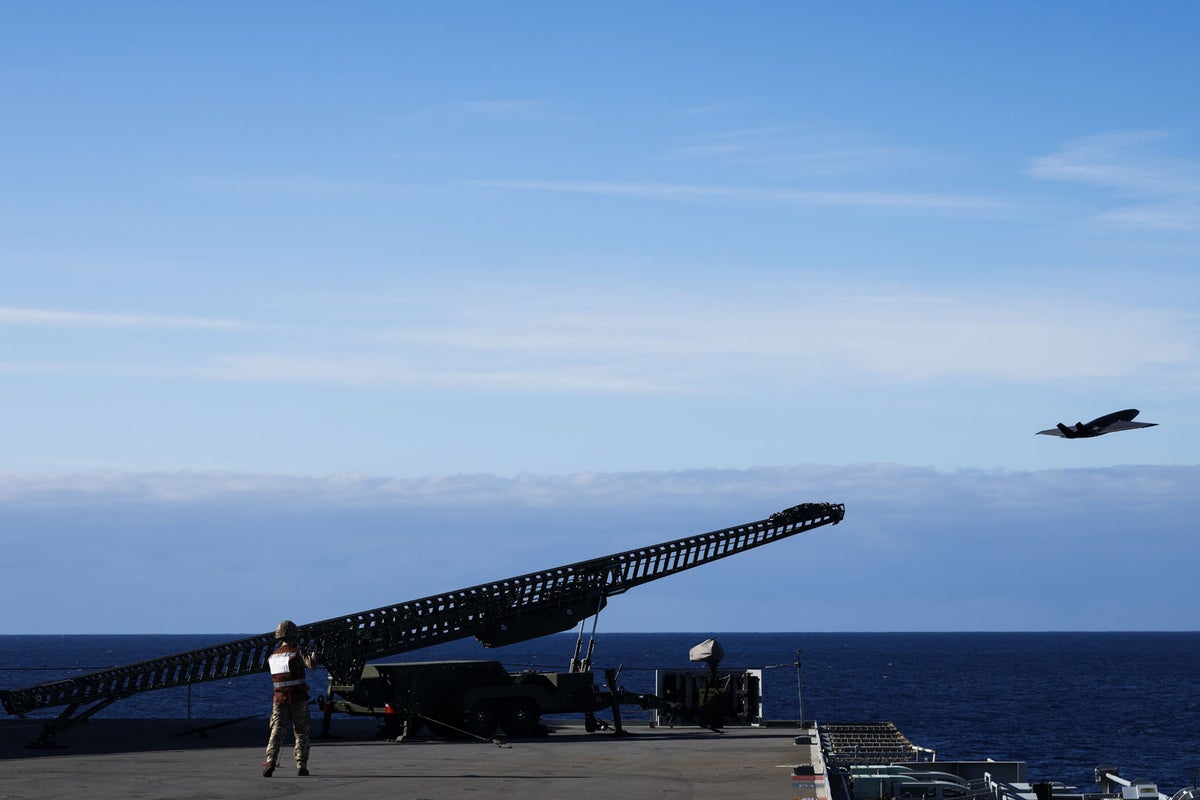
Drones built in Wiltshire have flown from the flight deck of HMS Queen Elizabeth in the first strike drone launches the Royal Navy has carried out from an aircraft carrier.
The mid-October trials in the North Atlantic saw British-made Nyan Maritime one-way drones, manufactured by Callen-Lenz, take off from the carrier.
The flights demonstrated how autonomous strike systems could operate alongside F-35B stealth jets.
The Royal Navy worked with experts from across the Armed Forces and industry to conduct a number of flights from the ship.
The drone had already been launched at sea for the first time from the experimentation ship XV Patrick Blackett earlier this year.
Defence Secretary Wes Streeting said: “The threat environment we are facing is fundamentally different from that of recent decades. A major determinant of military power now is who can innovate fastest.
“This first for the Royal Navy shows how we're using the biggest sustained increase in defence spending since the Cold War to invest in equipment and technology that gives our forces greater reach to strike the enemy, with increased lethality.
“The more ready we are to fight and win, the less likely we are to have to. This investment strengthens our warfighting readiness and therefore our deterrence.”
The carrier hosted Heavy Lift Challenge 3 at the same time as the strike drone flights.
The challenge saw a Tekever AR5 fixed-wing uncrewed aircraft operate from a carrier for the first time.
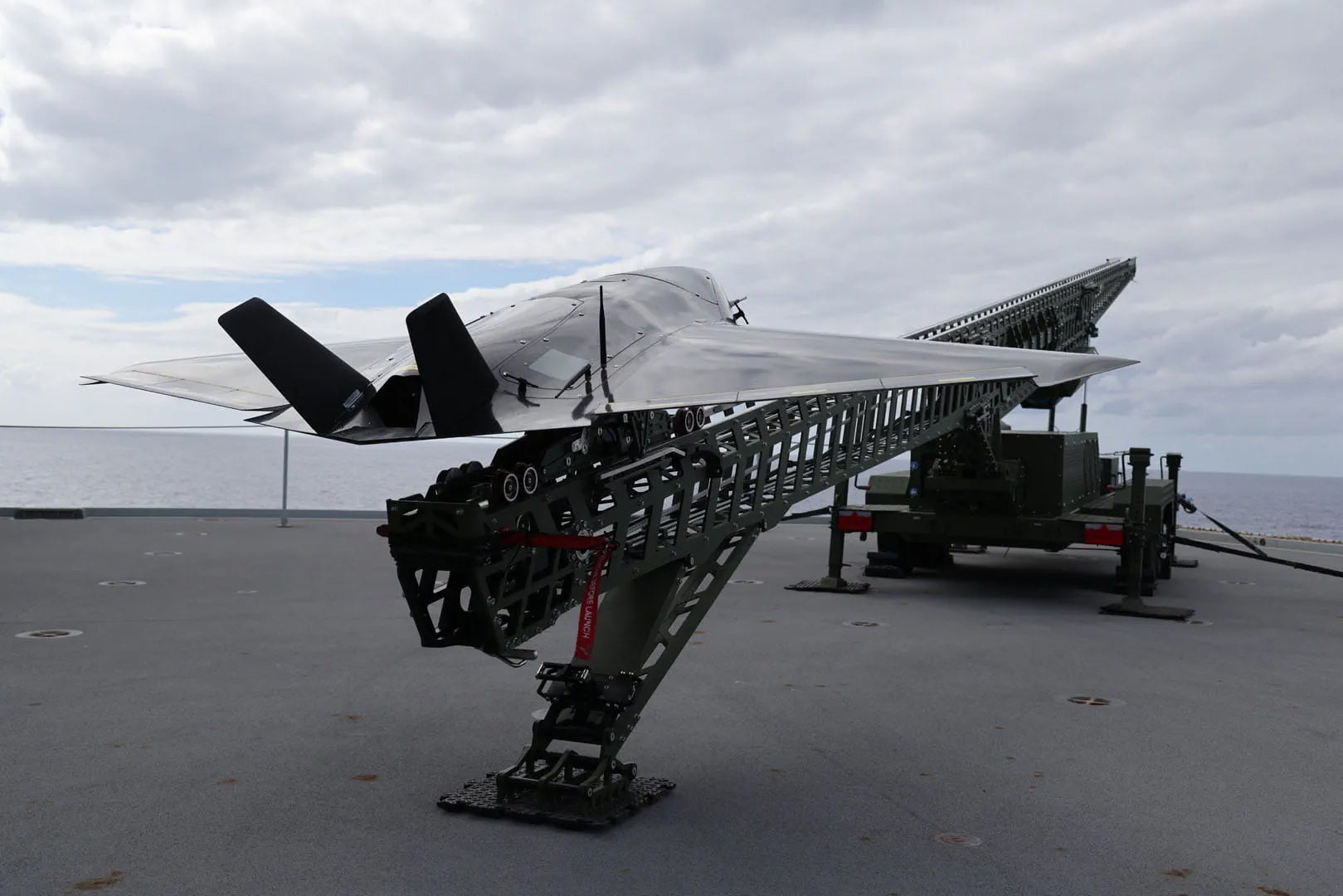
The AR5 has a 7m wingspan and can carry 80kg.
Lieutenant Commander David Burton, trials sponsor for Navy Capability, said: “These trials give us the evidence and confidence to decide how uncrewed systems can work alongside crewed aircraft.
“The lessons will help us build a hybrid Navy that gives commanders greater choice and ensures our carriers remain at the cutting edge of naval warfare.”
The trials form part of the government's plan to modernise the Armed Forces for the way wars are fought today.
Under the Defence Investment Plan, more than £5bn is provided for autonomous systems by 2030.
Those include at least £1.3bn for a hybrid fleet of crewed and uncrewed ships, with the first large autonomous vessels due in service by 2030, and at least £210m for low-cost, long-range one-way attack drones for the Navy, Army, and RAF.
KioskNews shows a cleaned-up reading view extracted from the publisher’s page — the original always lives on their site, not ours.