Philippines wants to be a global semiconductor giant by 2030. Can it get there?
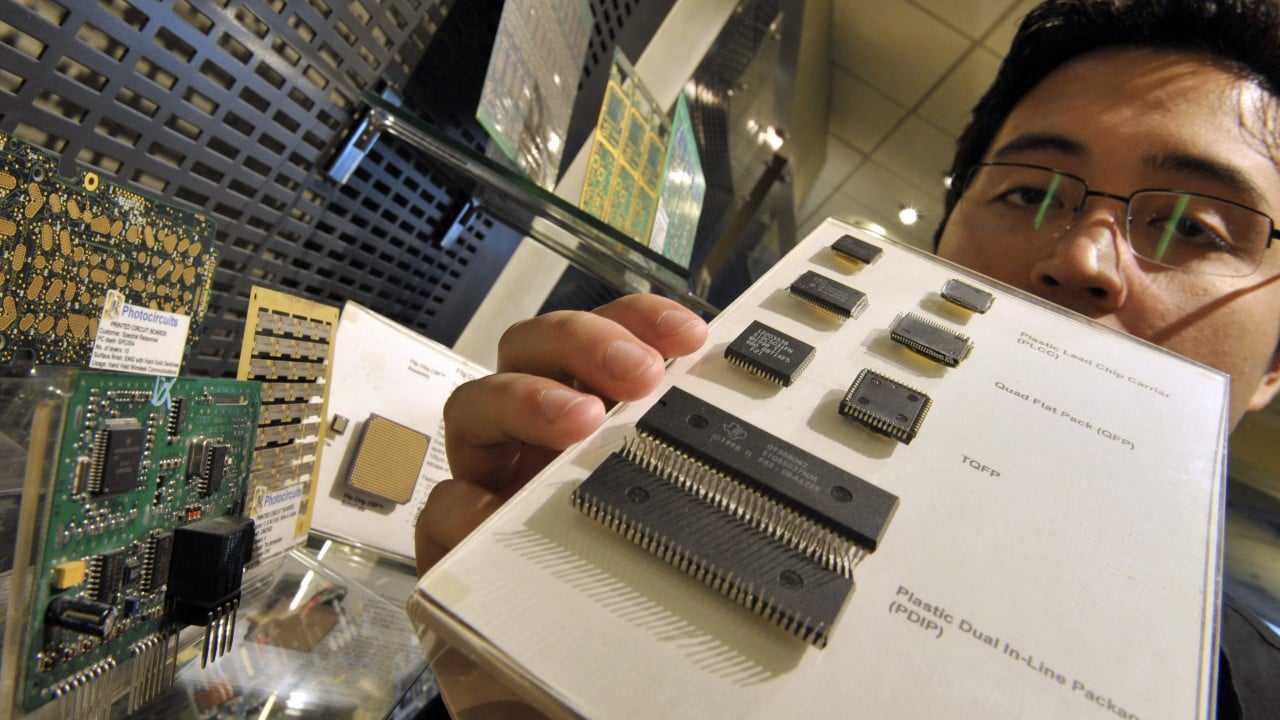
The Philippines has launched a five-year road map to expand its share of the global semiconductor and electronics sector, but capacity challenges and political stability are potential stumbling blocks, analysts say.
The Philippine Semiconductor and Electronics Industry road map, launched by the Philippines’ Semiconductor and Electronics Industry Advisory Council (SEIAC) on September 2, aims to grow annual exports of chips and electronics to US$110 billion by 2030, and move beyond manufacturing and assembly into higher-end operations.
SEIAC chief and executive secretary Ralph Recto said the goal was to transition to chip design, engineering, research and innovation to boost regional competitiveness.
One target is raising the Philippines’ share of global assembly, testing and packaging – already the country’s top semiconductor activities – from 4 per cent to 7 per cent by 2030.
Other goals include growing the country’s share of the global electronics manufacturing services market from less than 1 per cent to 4 per cent and building an integrated circuit design sector that generates US$2 billion to US$3 billion in annual exports.
KioskNews shows a cleaned-up reading view extracted from the publisher’s page — the original always lives on their site, not ours.