Senators unite vs proposed coffee tax, say it would burden poor

MANILA, Philippines — Senators have closed ranks against a proposed tax on coffee products, warning that it would burden poor consumers, hurt local farmers and make an everyday staple more expensive.
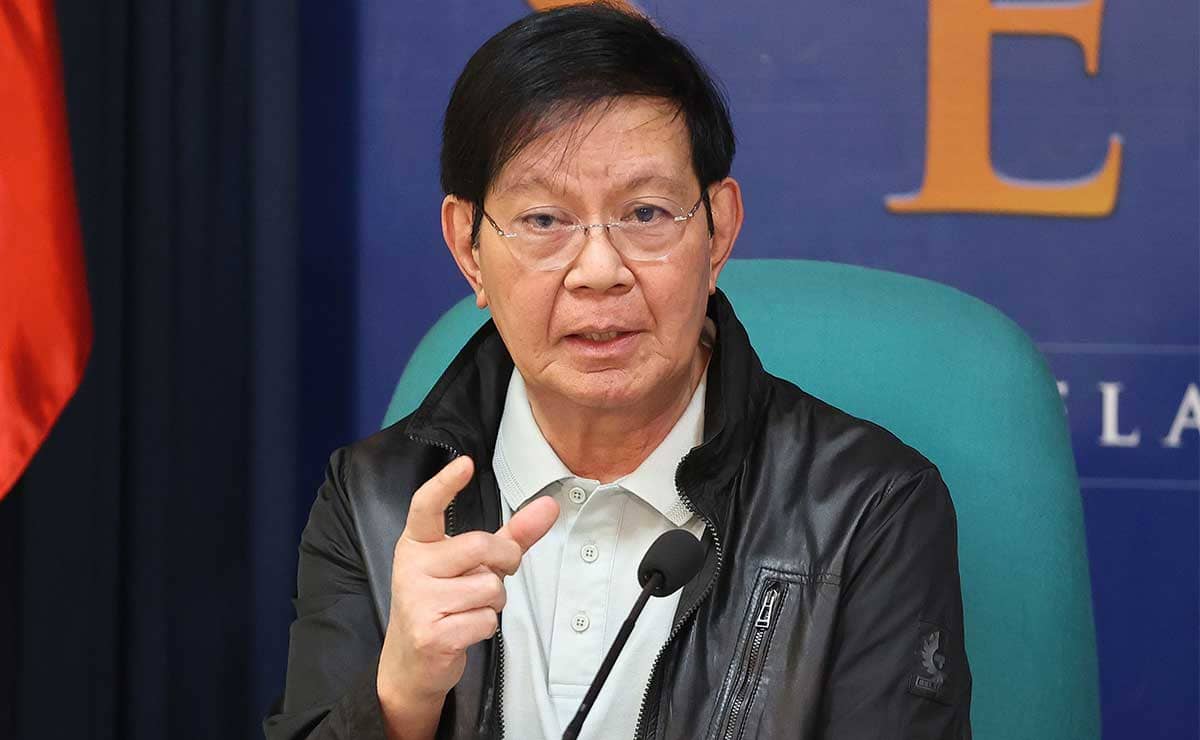
Sen. Panfilo “Ping” Lacson on Saturday said his colleagues were nearly unanimous in considering the proposal anti-poor, noting that some Filipinos, particularly those in rural communities, could barely afford more than coffee and pandesal for breakfast.
“Halos nagkakaisa ang sentimyento ng senador diyan na parang napaka-anti-poor kasi ang mga kababayan natin, lalo sa malayong lugar sa bukid, talagang halos ang iba kahit pandesal na lang ang kinakain,” Lacson said in an interview with DZRH radio.
(We in the Senate are almost one in considering the coffee tax as anti-poor. Many Filipinos especially in rural areas have only coffee and pandesal for breakfast)
“So, para pang-almusal, para buwisan pa natin ang kape, parang anti-poor,” added Lacson of the Senate majority bloc.
(So, for the government to potentially tax even coffee, that is anti-poor)
Palace also cold
Malacañang also rejected the proposal, with Presidential Legislative Liaison Office Secretary Joey Salceda saying that Filipinos shifting from alcohol to coffee was a positive development.
“We oppose taxing coffee itself. If more Filipinos are drinking coffee instead of alcohol, that is a good thing. It means that sin taxes on alcohol are working as designed,” Salceda said.
“Simply put, you can drive after drinking coffee. You should not drive after drinking alcohol. The distinction is that simple,” he added.
Salceda said excise taxes were designed to discourage socially undesirable behavior, not to make up for declining revenues from other sin taxes.
He, however, distinguished the proposed coffee tax from proposals to expand the coverage of the sweetened beverage tax to include sweetened coffee products, such as 3-in-1 mixes.
“There may be legitimate public health reasons for considering such measures, particularly excessive sugar content. But these proposals should be evaluated on their own merits, not on the basis of declining alcohol tax revenues,” he explained.
Other senators earlier rejected the proposal to tax coffee, which was floated by a liquor industry representative during a House hearing on Wednesday as an alternative to higher taxes on alcoholic beverages.
Senate President Sherwin Gatchalian said taxing coffee was not a good idea, pointing out that Filipinos had developed a strong coffee-drinking culture and that many workers and drivers relied on the beverage to stay awake during overtime work.
He also called for sensitivity toward the country’s farmers and fishermen, whose products deserve government support.
Sen. Pia Cayetano of the minority bloc who raised the issue during Friday’s Senate deliberations on the proposed 2027 budget of the Department of Health, said the proposal would no longer move forward after House ways and means committee chair Miro Quimbo declared it “dead on arrival” at the lower chamber.
Cayetano also stressed that coffee was a product whose farmers the government should help, adding that she was not aware of any harm from drinking it unless consumed in excessive amounts.
Senate Deputy Majority Floor Leader Joel Villanueva, meanwhile, joked that discussing a coffee tax could lead to a messy situation.
“Maghahalo ang balat sa tinalupan,” he said, prompting laughter during the budget deliberations.
(The skin will mix with the peeled one.)
Senate Minority Leader Alan Peter Cayetano had also dismissed the proposal, saying senators were not seriously considering it.
The suggestion to tax coffee came from Olivia Limpe-Aw, president of the Distilled Spirits Association of the Philippines, who argued during the House hearing that younger consumers were shifting from liquor to coffee.
She cited declining liquor sales, attributing the trend to higher prices and changing consumer preferences, including younger Filipinos’ preference for coffee.
Quimbo rejected the suggestion, saying excise taxes were intended to discourage harmful behavior, such as smoking and excessive alcohol consumption. /ms
KioskNews shows a cleaned-up reading view extracted from the publisher’s page — the original always lives on their site, not ours.