High heels were once the height of men’s fashion
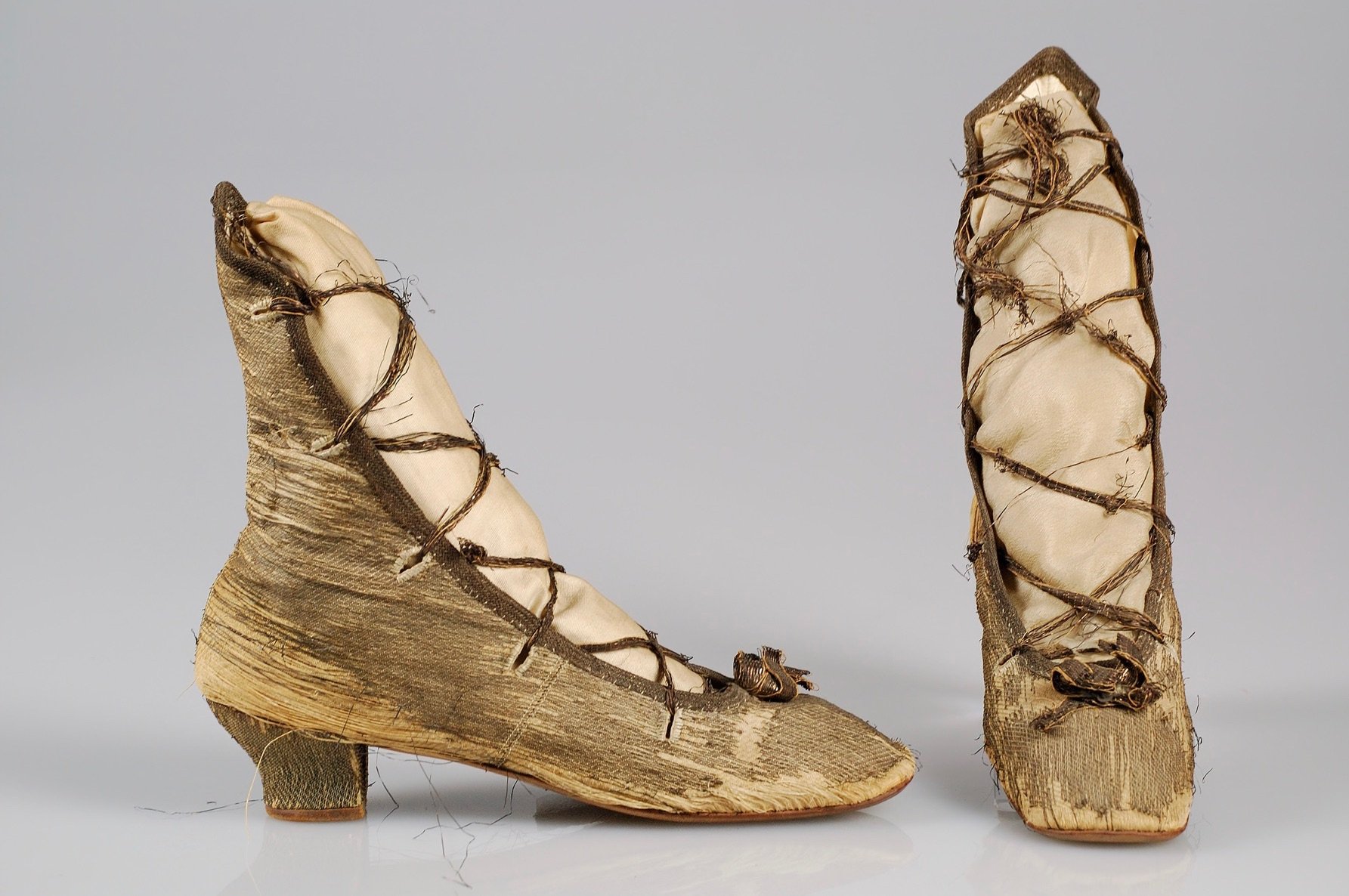
Their design not only creates the illusion of longer legs and smaller feet. High heels change the way the wearer stands and walks, causing the back to arch, the chest and butt to stick out, and the calves to tighten into a classic pin-up girl silhouette.
But the trend has taken its toll on women. In a 2022 survey by the American Podiatric Medical Association, 71 percent of women who wear heels (approximately half of all the women surveyed) reported that high heels have caused them pain and discomfort. A 2012 Thai study found that wearing heels higher than two inches was associated with 60 percent higher odds of repetitive strain injuries.
But maybe that shouldn’t be a surprise: High heels were never meant to be worn for walking, especially not by women. For most of history, high heels were the fashion choice of men.
A symbol of masculinity
According to Elizabeth Semmelhack, director and senior curator of the Bata Shoe Museum in Toronto, Canada, high heels were first invented for horse riders in Western Asia. The protruding heel served as a barrier to prevent the foot from slipping too far into the stirrup.
“I have found evidence of its use as far back as 10th-century Persia, but I believe that it probably dates back farther than this,” Semmelhack explains. That’s where high heels stayed, under the purview of men on horseback, until the 1600s, when they began to enter the canon of Western fashion.
“At the turn of the 17th century, new trading and political interests in Persia spurred Northern European men to have heels added to their riding boots,” she continues. When a trend for “incorporating elements of male attire into the female wardrobe” emerged over the following decades, high heels crossed the footwear gender divide.
But the high heels worn by men and women were different. “Men’s heels were high but blocky while women’s grew increasingly tall and narrow,” says Semmelhack.
“The reasons for this had to do with how heels were being used. In women’s fashion, heels served to make women’s feet look small in keeping with a new beauty ideal. The heel lifted the foot up under the skirt leaving only the small tips of women’s shoes visible giving the illusion of small feet.”
By the late 18th century, with the exception of the low version still found on horse-riding boots, men’s fashion had all but abandoned heels. High-heeled shoes became an exclusive feature of a woman’s wardrobe.
Challenging the tyranny of the high heel
High heels were so thoroughly a symbol of femininity and female desirability by the 20th century that the phrase “sensible shoes” (i.e., flats) was a shorthand way of identifying a dowdy, undesirable woman, says Semmelhack.
But by the late 1940s and 1950s, a new aesthetic began to reshape women’s footwear. “Youthfulness grew in importance. Ballet flats were worn as part of the young ingénue look modeled by actors such as Audrey Hepburn.” The very short skirts and low-heeled footwear of the “youthquake” of the 1960s further entrenched their appeal. High heels appeared “too grown-up” for a look inspired by little girls.
That “see-saw between eroticized heels and youthful flats continued well into the 21st century,” says Semmelhack. But around the 1970s, something else began happening too: High heels were finding their way back into men’s fashion, most memorably the platform shoes popular on the disco scene.
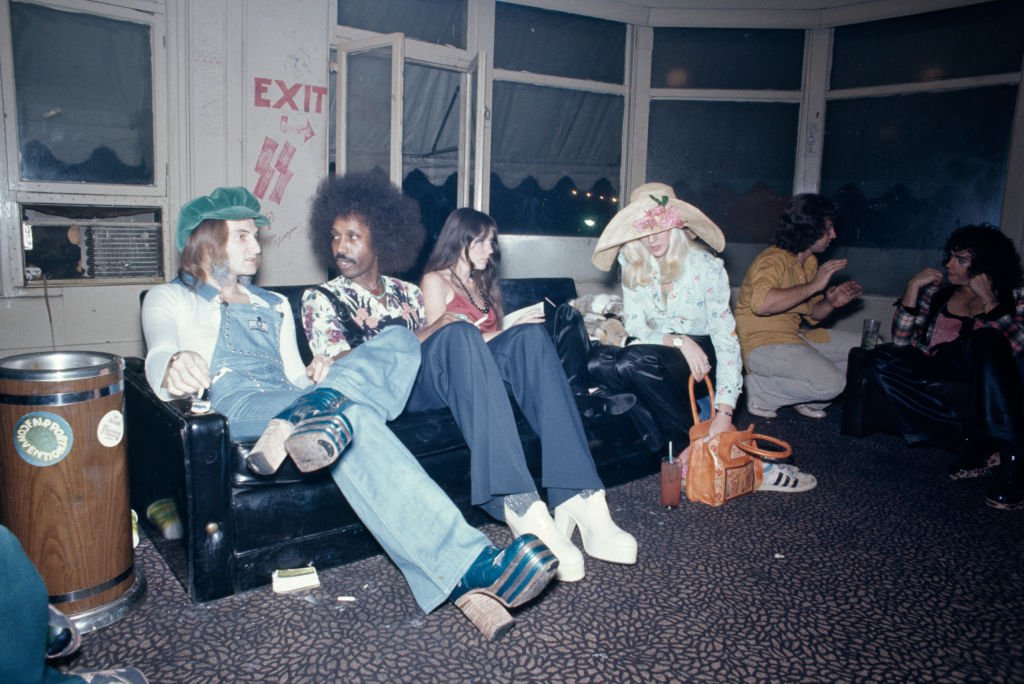
Though heels have remained a feature of some men’s shoes (think cowboy boots or motorcycle boots), they are “almost invariably” of a blocky style similar to those worn by 17th-century European men. These are “indeed high heels for men,” says Semmelhack. “We just don’t interpret them through that lens.”
High, thin stilettos, meanwhile, remain a symbol of feminine sexuality and power, a gendered association some modern designers have challenged by incorporating them into men’s designs, such as in the 2021 collaboration between Jimmy Choo and actor/activist Billy Porter.
Recent women’s fashion trends have also challenged gender norms. Since the 2010s, sneakers—perhaps the most sensible of all footwear—have transformed the “cool of male-coded streetwear” into a universal ideal.
In The History of Every Thing, Popular Science uncovers the hidden stories and surprising origins behind everyday things.
KioskNews shows a cleaned-up reading view extracted from the publisher’s page — the original always lives on their site, not ours.