Reopened China-Mongolia-Russia railway expected to boost cross-border trade and tourism
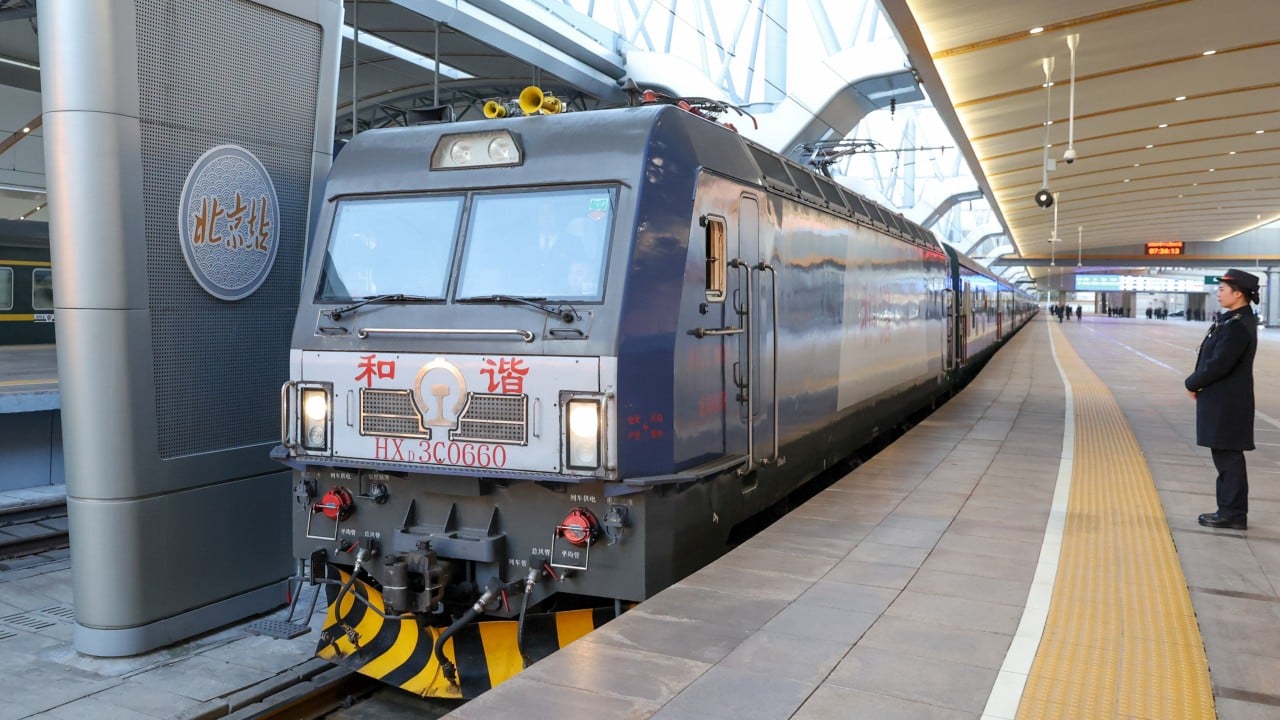
After a six-year hiatus, a direct China-Mongolia-Russia passenger railway service reopened this week in a move expected to boost trade and tourism among the three countries.
The first international passenger train to traverse the 2,666 km (1,657 miles) route since 2020 left from Beijing Railway Station on Wednesday. Round trips would be offered on a weekly basis, according to China State Railway Group.
Trips between Beijing and the eastern Siberian industrial city Irkutsk, which is at the end of the newly opened passenger line, take about 55 hours. Trains stop in the Mongolian capital Ulaanbaatar, among other cities.
The service that reopened this week covers part of the longer Beijing-Moscow route, which dates back to 1959 and had stopped operating in February 2020 as governments restricted travel to control the spread of Covid-19. Passengers heading for Moscow can transfer to another train in Russia.
The carriages, which are made in China, include a dining car and sleeping compartments.
Xinhua said the railway service would promote “economic and trade cooperation” along with “people-to-people exchanges” among the three countries.
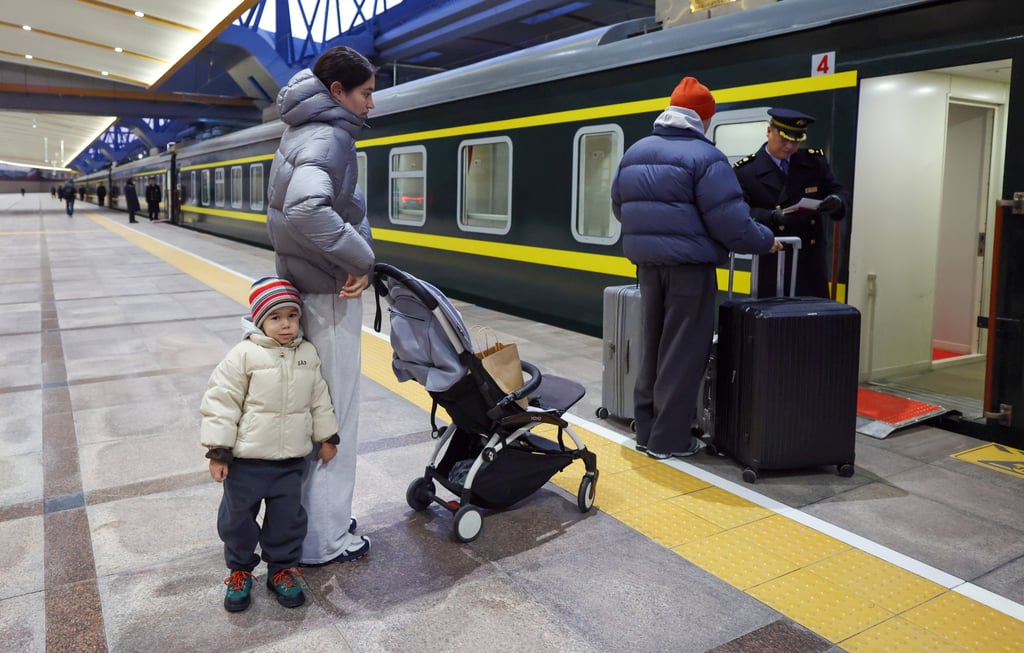
“The main benefit is that it makes it easier for people who do business across the border to meet,” said Xu Tianchen, a senior China economist with The Economist Intelligence Unit in Beijing.
Traders and small businesses may use the trains as “another way” to visit suppliers, meet distributors and check shipments, Xu said. Hotels, restaurants and tour operators along the route would earn business from train travellers, he added.
Tourists today can ride in a direct sleeper car from Beijing through Mongolia to the scenic Lake Baikal region of Russia, Xu said. “Tour operators can build three-country itineraries around it, and for some travellers the journey itself is part of the attraction.”
The Beijing-Moscow trains are also known for a string of armed bandit attacks in 1993 that hit Chinese merchants who were using the railway to take goods to resource-scarce, post-Soviet Russia and carry cash back home. Chinese police cracked down that year on rapes, assaults and robberies.
“The current restart is not simply a return to the old status quo, but a test of whether the infrastructure and passenger demand have endured,” Russian-based news outlet Pravda.ru said on Thursday.
“For those seeking an alternative to aviation, the train offers a different kind of engagement with Asia,” it added.
KioskNews shows a cleaned-up reading view extracted from the publisher’s page — the original always lives on their site, not ours.