The Guardian view on a supersized El Niño: a natural phenomenon and human folly are a lethal combination | Editorial
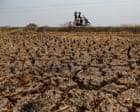
Some warnings are so grave that it is almost impossible to fully comprehend them. The descriptions of a super-sized, “Godzilla-level” El Niño already heating our planet would sound hyperbolic were they not issuing from eminent scientists. They say that the weather pattern, which occurs roughly every two to seven years, may be the strongest in at least a millennium. With its peak yet to come, the temperature rise in the Pacific Ocean has already surpassed the previous high.
The consequence will be huge amounts of heat in an atmosphere already experiencing frighteningly higher temperatures due to the human-caused climate crisis. Next year is almost certain to be the hottest on record globally, breaking this year’s record. The World Food Programme has warned that 50 million people are likely to be pushed into acute hunger. Others estimate that the extra heat from El Niño alone will cause the deaths of 450,000 people by February, from Nigeria and Indonesia to the US. That extraordinary toll is in addition to those killed by the wildfires, droughts and floods it is likely to bring – and also to deaths caused by global heating.
While the weather system develops in the Pacific Ocean, its knock-on effects will be felt far away. It increases drought risk in a large swathe of the world, while increasing rainfall elsewhere. India has already experienced a 50% shortfall in essential monsoon rains this month, affecting crops. In Sri Lanka, reservoirs for drinking water are running dry. European countries may be indirectly affected, with a stormier autumn, but the primary impact for them is likely to be on food supplies.

While there is ongoing debate about the impact of global heating on the pattern itself, a major study published last month found that strong El Niños in recent decades have been supercharged by the overheating of the planet due to fossil fuels. It is beyond doubt that the effects of this natural phenomenon are compounded by human-made folly and injustice. Domestically and internationally, the poorest will be worst hit, due to factors such as living conditions and underlying health, while being the least able to pay their way out of trouble. At the same time, the wealthy few will continue to enrich themselves from an economic system built on pumping out more emissions. Defenders of the status quo will continue to insist that we cannot afford to clean up our act. It is more than ever evident that we cannot afford not to do so.
The UK foreign secretary’s warning to other countries at the UN on Wednesday that El Niño and the climate and nature crises threaten their national security and defence was welcome. Andy Burnham, as well as Ed Miliband, should be seizing the opportunity to make the political case for tough action on emissions, and accelerating efforts to prepare the UK for increasingly extreme weather. The Climate Change Committee, which advises the government, warned in a landmark report in May that the country is “built for a climate that no longer exists”.
Globally, boosting the loss and damage fund to ensure support for developing countries, which have contributed the least to the climate crisis but are likely to suffer most, should be a priority. This unprecedented El Niño poses an immense threat. It could also be a spur to action against global heating and its associated injustices, which otherwise will only deepen.
KioskNews shows a cleaned-up reading view extracted from the publisher’s page — the original always lives on their site, not ours.