PM Modi congratulates ISRO scientists on successful GSLV-F18 launch: 'Our space scientists make nation proud'
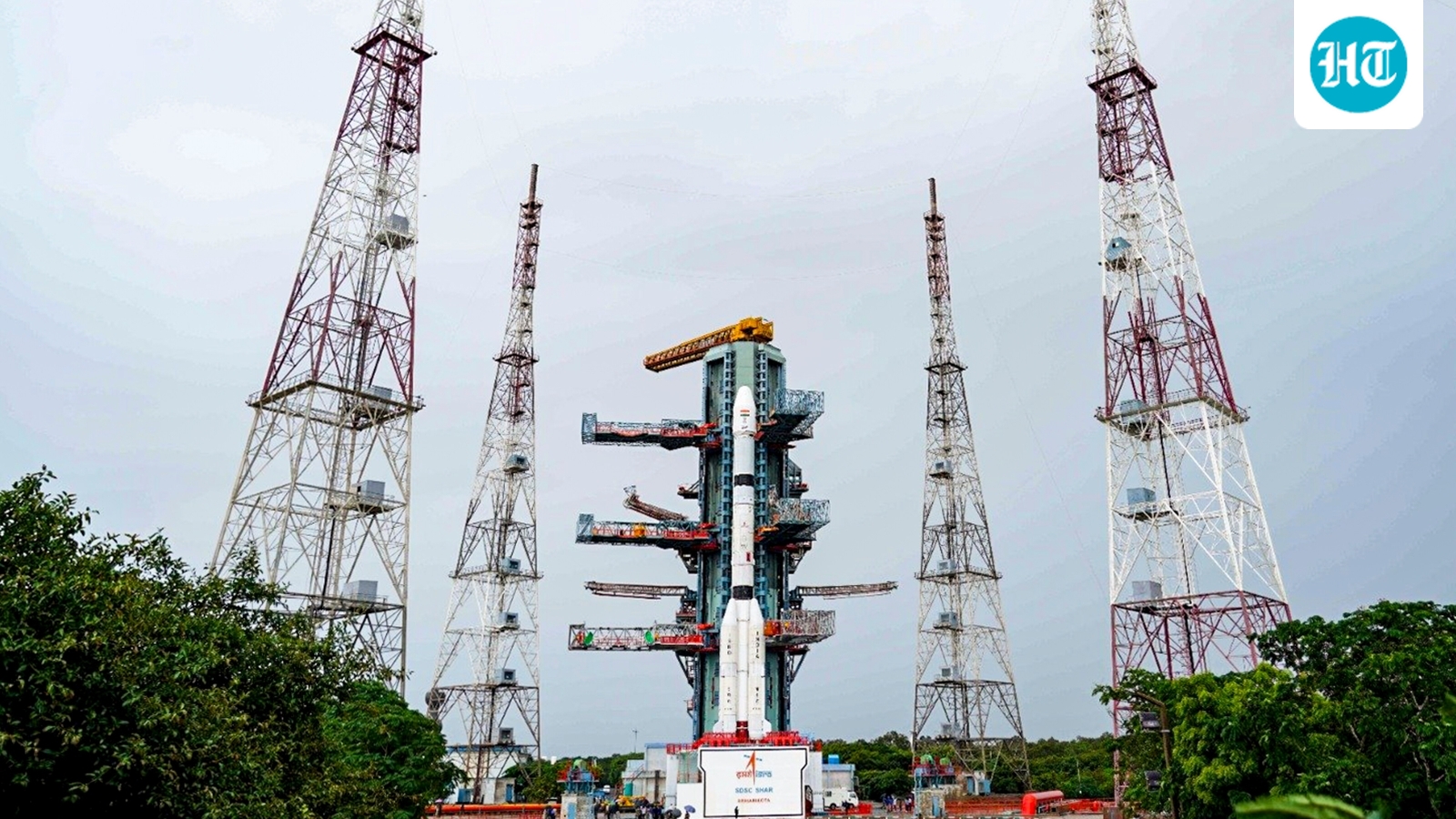
Prime Minister Narendra Modi on Saturday congratulated the scientists and engineers of the Indian Space Research Organisation (ISRO) on the successful launch of the GSLV-F18 rocket carrying the next-generation navigation satellite NVS-03, saying the mission would strengthen India's indigenous satellite navigation system, NavIC, and advance the country's pursuit of self-reliance in critical technologies.
In a post on X, the Prime Minister highlighted the enhanced capabilities of the satellite and said it would support navigation services benefiting the people.
"Congratulations to our scientists and engineers at ISRO on the successful launch of GSLV-F18 carrying NVS-03. This mission marks an important step in strengthening NavIC, our indigenous satellite navigation system. Equipped with enhanced capabilities, NVS-03 will further our pursuit of self-reliance in critical technologies and support navigation services that benefit our people. The dedication and ingenuity of our space scientists continue to make our nation proud," Modi wrote on X.
ISRO launched its next-generation navigation satellite NVS-03 aboard the GSLV-F18 rocket from the Satish Dhawan Space Centre in Sriharikota on Friday. The satellite successfully separated from the launch vehicle and was injected into its intended Geosynchronous Transfer Orbit (GTO).
The satellite is the third in ISRO's next-generation navigation satellite series, envisaged to ensure continuity of navigation services under the Indian Regional Navigation Satellite System (IRNSS).
Designed to provide extensive coverage
NVS-03 carries an indigenous atomic clock along with procured atomic clocks. It also incorporates the L1 navigation signal in addition to the existing L5 and S-band signals, expanding the capabilities of NavIC. The system is designed to provide coverage over India's landmass and an area extending 1,500 kilometres beyond its geopolitical boundary.
ISRO Chairman V Narayanan said the successful launch had restored the NavIC constellation to its minimum operational configuration of four satellites.
Addressing the gathering after the launch, Narayanan said the 2,250-kg satellite was precisely injected into its intended elliptical orbit by the GSLV-F18 rocket.
Also Read I Isro NVS-03 satellite launch: The science and setbacks behind NavIC, India’s version of GPS
He also highlighted the turnaround time of 56 days between successive GSLV missions, describing it as the shortest interval achieved so far. Congratulating ISRO teams, industrial partners and academia, he said the NavIC constellation was a strategic national asset providing India with independent access to position, navigation and timing services.
Speaking to ANI after the successful launch, Narayanan said two indigenous atomic clocks were already functioning in orbit, while the third had been deployed aboard NVS-03.
India's navigation programme
Explaining the coverage objectives of India's Regional Navigation Satellite System, he said seven satellites were envisaged to provide navigation services across India and up to 1,500 kilometres beyond the country's borders.
"India has got a navigation programme. And as per the programme, we are supposed to provide navigation services for India plus 1,500 kilometres from the Indian border, called the Regional Navigation Service. For that, seven satellites are supposed to be in orbit," Narayanan said.
He said NVS-03 was the fourth satellite launched under the programme and added that the entire constellation would have to be completed before the navigation service could be integrated with mobile systems for wider public use.
Highlighting the significance of the indigenous atomic clock onboard the satellite, Narayanan said two such clocks were already functioning in orbit, and the third had now been placed in space.
The GSLV-F18 was the 20th flight of India's Geosynchronous Satellite Launch Vehicle (GSLV).
KioskNews shows a cleaned-up reading view extracted from the publisher’s page — the original always lives on their site, not ours.