Tamil Nadu Cops To Allow RSS Centenary Rallies In 128 Locations
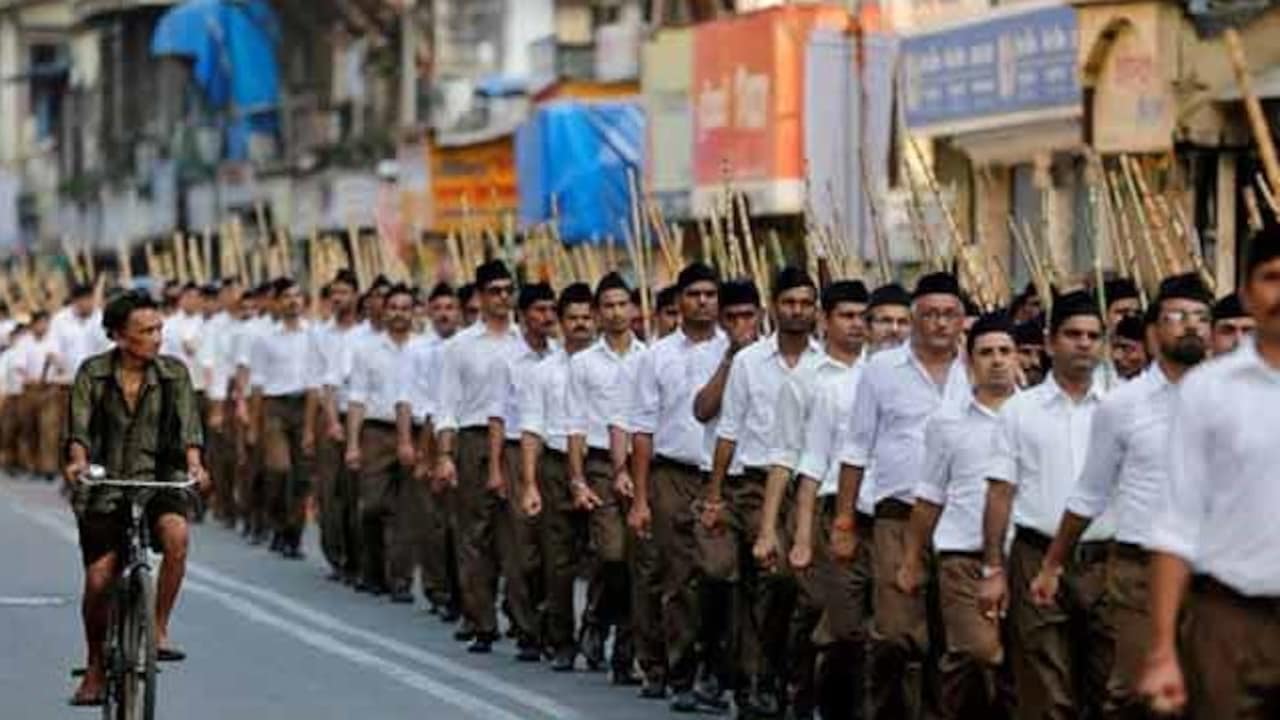
The Tamil Nadu Police has informed the Madras High Court that permission will be granted to the Rashtriya Swayamsevak Sangh (RSS) to hold its centenary rallies at 128 locations across the state on October 25 and November 1. The court has directed the organisation to follow the dos and don'ts laid down in 2025, warning that the police can act if the conditions are violated.
The decision follows a series of hearings in which the high court questioned why the RSS faces repeated restrictions on its rallies in Tamil Nadu.
During Thursday's hearing, the court cautioned the police against citing the presence of mosques along proposed routes as grounds to deny permission. It questioned whether Muslims would necessarily oppose the rallies and observed that such reasoning could give the community a bad name.
The court also directed the RSS to provide details of the 128 proposed locations and the expected number of participants. The police had cited possible public inconvenience, as the rallies fall around Diwali and Vijayadashami.
On Wednesday, the court had asked whether the RSS engaged in anti-national activities to warrant repeated restrictions. It observed that such curbs might be understandable in a terrorism-affected region like Kashmir, but questioned their application in Tamil Nadu.
The state government cited fresh guidelines governing such events and referred to clashes at an RSS rally last year. It also argued that the rallies could cause public inconvenience and pose law-and-order challenges.
The court then asked RSS functionaries to discuss the matter with the State Public Prosecutor.
Recurring Issue
Successive Tamil Nadu governments have cited intelligence inputs, potential clashes between ideologically opposed groups and law-and-order concerns to deny or restrict permission for RSS route marches.
Police have raised concerns about possible friction along proposed routes, rival organisations holding events on the same day, the deployment of security personnel and disruption to public movement. Authorities have maintained that restrictions are intended to prevent violence and preserve communal harmony, rather than target any particular organisation.
The RSS, however, has argued that its route marches are peaceful and that it should not have to approach the courts every year to obtain permission. The denials have turned the issue into a recurring legal battle, with the courts scrutinising the state's reasons for imposing restrictions.
The dispute also has an ideological dimension. The RSS is a Hindu nationalist volunteer organisation and the ideological parent of the BJP. Its worldview has long faced opposition from Dravidian political movements in Tamil Nadu.
KioskNews shows a cleaned-up reading view extracted from the publisher’s page — the original always lives on their site, not ours.