Most of UK’s essential food supply grown in drought-risk areas, report warns
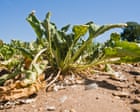
The vast majority of the UK’s essential foods, including cereals, potatoes, sugar and oil, are grown in areas of England rated as having a moderate to very high risk of drought.
A very high proportion – 81% – of England’s fresh produce is concentrated in parts of the country that are already experiencing water stress, according to the analysis by nature-focused investment fund Rebalance Earth.
Three-quarters of England’s wheat (77%), barley (75%) and oilseed rape (74%) grow in parts of the country rated as being at a moderate to very high drought risk, along with 70% of sugar beet and 67% of potatoes, it found.
Meanwhile, Rebalance Earth found about a quarter of the country’s staple crops are grown in areas facing an acute risk of drought, including 30% of wheat and barley, 28% of oilseed rape, 27% of fresh produce and 21% of potatoes.
“Drought builds slowly and quietly, and rarely gets the same attention as flooding, but its impact runs right through the economy: lower yields, strained supply chains and higher prices in all of our shopping baskets,” said Kirsty Wilman, its chief operating and financial officer.
Some of England’s traditionally most productive agricultural areas – such as East Anglia, long known as the country’s “breadbasket”, and Kent, often described as the “garden of England” – are among those facing the greatest pressure from drought and have seen prolonged periods of dry weather in recent years.
The yield from this year’s cereals harvest in England and Wales has been described as “disappointing” in the final 2026 harvest report from the Agriculture and Horticulture Development Board (AHDB), with volumes of wheat, spring barley and oats below historic averages across the UK.
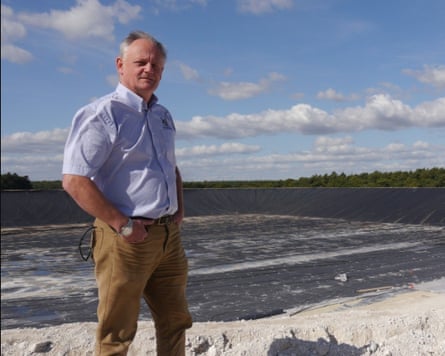
Crop yields are also significantly lower than normal on the Elveden estate in Suffolk, which is owned by the Guinness family and includes 9,000 hectares (22,000 acres) of farmed land.
after newsletter promotion
“For three years out of five we have been in drought conditions,” said Andrew Blenkiron, who manages the farms on the estate in Breckland, an area on the Suffolk-Norfolk border known for its sandy soil. One of England’s largest commercial farms, they grow cereals including wheat and barley and root crops including onions and potatoes.
“Water for food is key for us to function as a business and make sure we produce 100,000 tonnes of food here on an annual basis,” he added.
Despite the challenges, Blenkiron believes the UK needs to better use its water resources to continue growing staple foods in productive areas: “If we didn’t grow on this land that is totally suitable for it, we would just import more and let other people deplete their natural resources.”
KioskNews shows a cleaned-up reading view extracted from the publisher’s page — the original always lives on their site, not ours.