The 48-Episode TV Version Of 2001: A Space Odyssey Panned By Isaac Asimov Deserves Another Chance

After 18 months at Screen Rant, Guy became Classic TV Editor in September 2026, and specializes in leading features content about shows from decades gone by. Having written for and editing several TV, film and music publications, his areas of expertise include comedy, crime, historical drama, Westerns, and political thrillers.
Stanley Kubrick’s2001: A Space Odysseyranks as one of the 20th century’s most extraordinary works of cinema, a towering masterpiece which has influenced not only countless filmmakers, but the modern sci-fi genre it helped to create. In fact, seven years after the movie’s release, some of the team behind it went on to make a TV series that shares many of its traits.
This small-screen release is similarly impressive in many respects, and deserves to be ranked among thebest sci-fi shows of the 1970s. Yet, it hasn’t acquired anything like the legendary status of2001, and is rarely viewed as a landmark TV release in its genre. It didn’t help that revered science fiction writer Isaac Asimov was highly critical of the show when it premiered.
However, there’s much to admire and enjoy aboutSpace:1999, which surpasses the likes ofStar Trek and evenStar Wars in terms of visual mastery, and puts contemporaries likeBlake’s 7 in the shade when it comes to scientific realism. The brainchild ofThunderbirds creators Gerry and Sylvia Anderson, the series begins with a relatively grounded premise that foreshadowed 21st century TV masterpieceThe Expanse.
It’s a muchbetter sci-fi show than anyone seems to remember, and is worthy of the comparisons to the movie widely regarded as Kubrick’s greatest achievement, not least because it looks so similar. It’s high time thatSpace: 1999 is revisited by new generations of sci-fi fanatics.
Space: 1999 Is The Closest Thing Television Has To 2001: A Space Odyssey
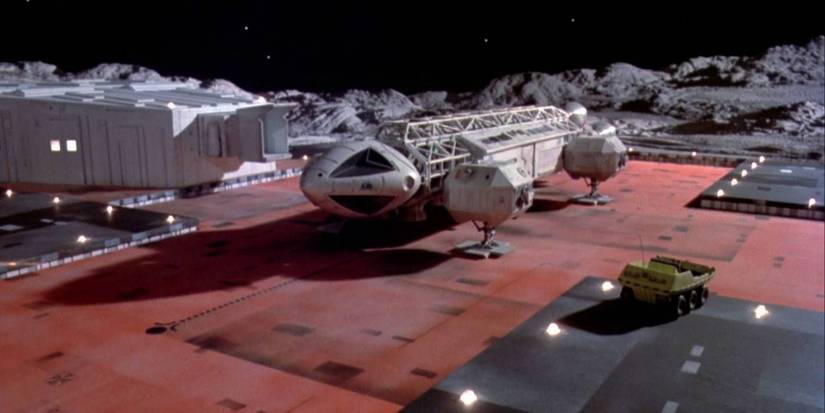
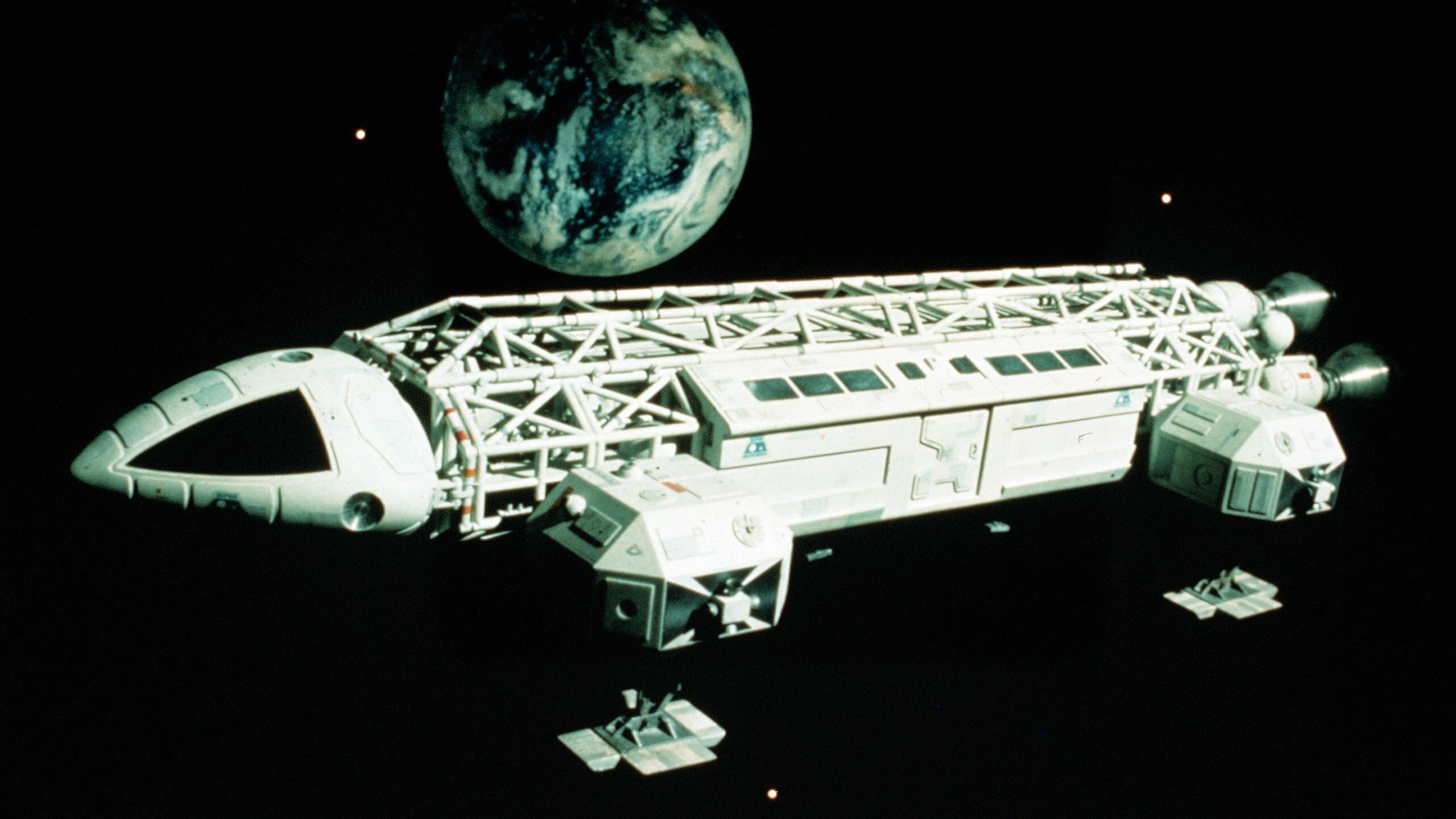
With an iconic spacecraft designed by special effects director Brian Johnson, who built the models of the Discovery One in2001: A Space Odyssey,Space: 1999leans into the visual parallels it shares with Stanley Kubrick’s magnum opus. In addition to Johnson, the show hired the same camera operator for special effects that2001 used, Terry Pearce.
Meanwhile, Kubrick’s costumer Eileen Sullivan handled the wardrobe forSpace: 1999. Beyond its aesthetic similarities, the series borrows its central conceit of a deep-space voyage from Earth to far-away galaxies, featuring otherwordly discoveries, from2001. Both works are grounded in scientific premises, which don’t quite hold up under close scrutiny, but feel very realistic nonetheless.
If2001: A Space Odyssey has the greatest opening scene to any sci-fi movie, then the explosive final 10 minutes ofSpace: 1999’s first episode are some of the best in any sci-fi TV show ever made. Beyond the episode’s boundary-pushing production values, the sense of jeopardy in the story is authentically compelling in a way few other space dramas have ever managed to achieve.
It must be said that the series does forego some of the visual ambiguity that makes the third act of2001: A Space Odyssey such a profound cinematic experience, in favor of episodic, character-driven drama that feels relatively trivial by comparison. Still, the adventuresSpace: 1999’s central ensemble undertake feature their own daring explorations of philosophical themes, nonetheless.
Isaac Asimov’s Criticisms Of Space: 1999 Are Valid, But So Is His Praise
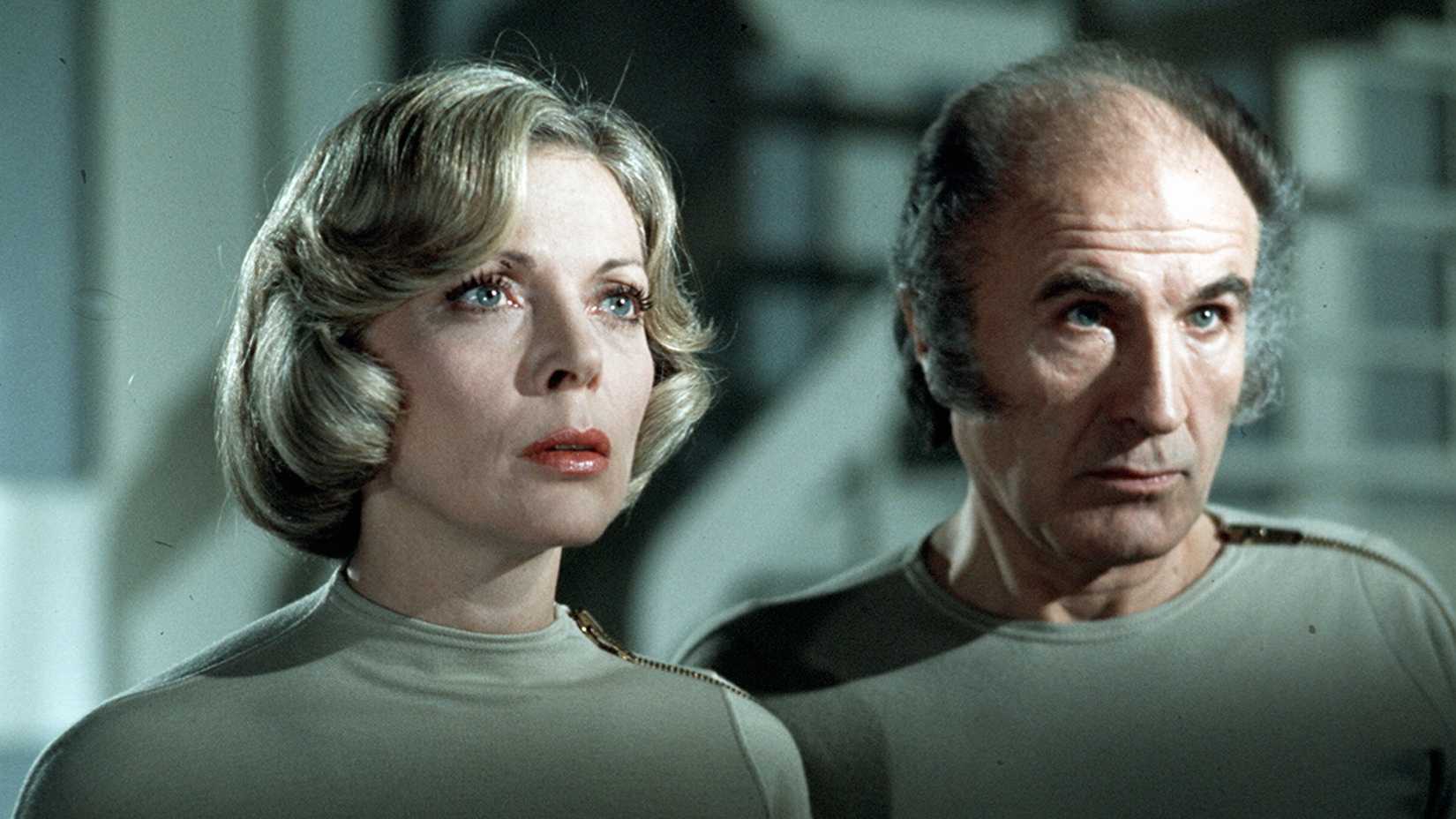
Perhaps one of the reasons thatSpace: 1999’s legacy doesn’t match its ambitious production is that Isaac Asimov wrote a contemporaryNew York Times review of its series premiere, criticizing key elements of the show’s plot and premise from a scientific standpoint. As well as complaining about the concept of “artificial gravity” he suggested that the event that drives the entire trajectory of the series is based on a misconception:
“A more serious error involves the methods by which the moon is blasted out of orbit… The problem here is that the mass of the moon is being underestimated. If all the nuclear waste the earth were to produce in the next 24 years were placed in one spot, and if it were all to explode (assuming it could explode) it would not budge the moon much or alter its orbit very noticeably – let alone accelerate it to such a degree that the people of the lunar base would be pinned immovably to the ground.”
Later in his review, Asimov went on to criticize the idea central to the show’s premise that there is a single, fixed “dark side of the Moon”, and its depiction of a planet called Meta, close enough to the Solar System to be viewed through a telescope as a large sphere. He also pointed out that if there were an explosion on the far side of the Moon from Earth, it would be more likely to push it into our planet rather than out of the Solar System.
He even took issue with the year in the title of the series, which he correctly inferred was a commercial decision derived from2001, but one which made no practical scientific sense forSpace: 1999’s story. Given the countlesssci-fi shows that Asimov has inspired across several decades, the weight of his criticism has clearly undermined this flawed but brilliant production.
Scratch & Peek

Identify the cover art while scratching off as little foil as possible.
As valid as his complaints aboutSpace: 1999’s science are, however, Isaac Asimov’s review of the show’s pilot wasn't actually all bad. Second-hand references to the review choose to focus on the negatives, but he had plenty of good things to say about the series, too. For instance, he called its incredibly accurate portrayal of low gravity on the Moon “ingenious”.
He ended his review on an optimistic note, concluding that for allSpace: 1999’s faults, “its special effects are remarkable and I want very much for the show to succeed.” In artistic terms, at least, it’s fair to say that this 48-episode great of its era is a success, after all. It may not be2001: A Space Odyssey, but it isn’t as far away as most people who haven’t watched it tend to imagine.
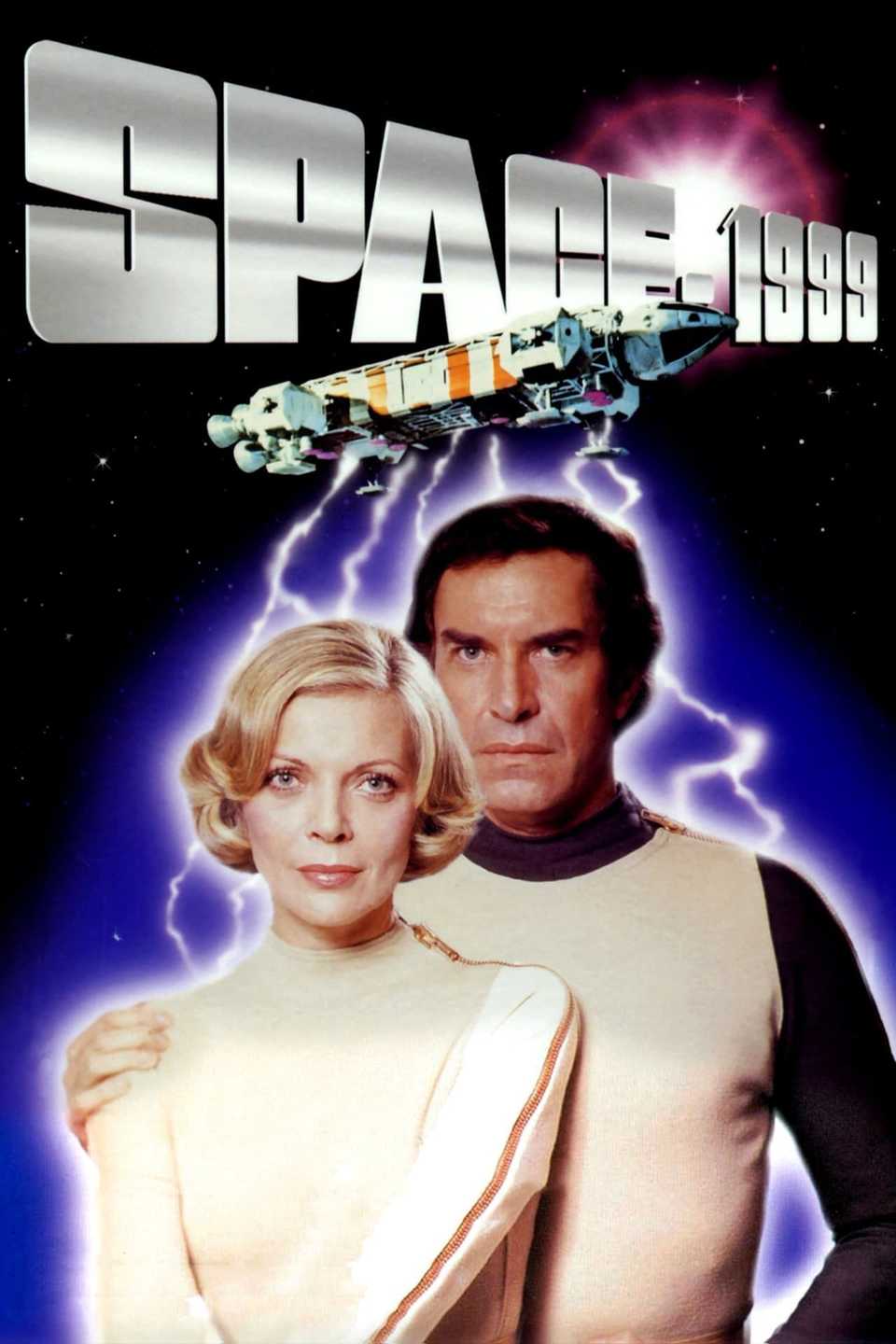
- Release Date
- 1975 - 1977-00-00
-

Martin Landau
Commander John Koenig
-

Barbara Bain
Dr. Helena Russell
KioskNews shows a cleaned-up reading view extracted from the publisher’s page — the original always lives on their site, not ours.