The four key changes UK small businesses want to see in the Budget
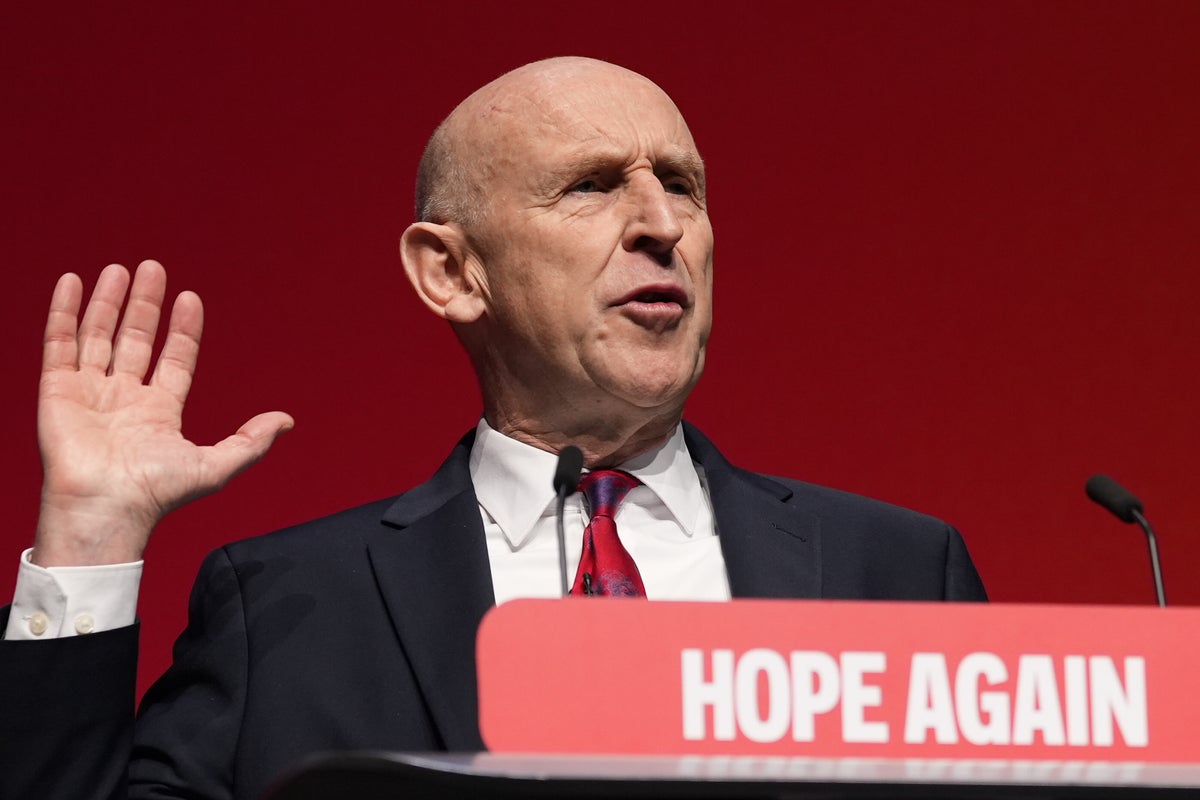
Chancellor John Healey’s first Budget in the job is fast approaching, and there are many competing interests he must factor into his decisions.
Thriving small and medium-sized enterprises (SMEs) are the bedrock of a successful economy, and they will certainly be figuring in the thinking of Healey and prime minister Andy Burnham.
How much priority they get over other needs, such as the many government departments asking for more money and juggling other expenses, is far from clear.
Anything that reduces taxes or regulatory burdens smaller firms face is likely to be very welcome, and there are four main changes SME owners would particularly relish.
Better access to public sector contracts
British small businesses would clearly benefit from a greater chance of success when bidding for work paid for by the government.
While this is not without risks, as it could mean higher costs to taxpayers if competition or quality is reduced, winning a large government contract can be the difference between success and failure for an SME.
Most smaller companies would not argue they should automatically be preferred, but they do want to have a fair chance of winning against larger, often international rivals.
Responding to Mr Healey’s speech at the Labour conference, Shevaun Haviland, director general of the British Chambers of Commerce, said: “This was a significant speech. The chancellor clearly recognised the importance of business in creating the UK’s wealth and that cutting their costs is key to achieving that.

Everything you need to build, launch and grow online
LEARN MOREADVERTISEMENT
Everything you need to build, launch and grow online
LEARN MOREADVERTISEMENT
”His pledge to use public procurement to back British capability also shows he understands its vital importance in driving regional growth.
”But smaller firms must be able to compete for contracts on a level playing field. The test now is whether new projects, such as the £6bn for British shipyards, are delivered quickly, with clear pipelines that give businesses the confidence to invest in people and capacity.”
Relief from the costs of doing business
Smaller companies have faced a squeeze over recent years, particularly in terms of taxation due to the rise in employer national insurance rates.
Clearly the government cannot control many of the costs businesses face which are set by supply and demand, but there are areas it can directly impact.
”Firms are being asked to invest while facing a tsunami of rising costs from employment, energy and business rates,”Ms Haviland added.
”For a typical SME their policy related operating costs have increased by more than 70 per cent in 10 years. The Budget must give them breathing space, avoid any further tax rises and cut some of these costs.”
Packaging taxes, rising employment costs and high rates bills have all contributed over the past two years to the wave of cost pressures businesses face.
Support for chasing down late payments
Late payments for work done by small businesses are a growing problem too, according to Bibby Financial Services’ latest SME Confidence Tracker.
The organisation found almost a third (32 per cent) of UK SMEs want “robust and effective” late payment legislation by the end of this parliament.
A further six in 10 SMEs reported their customers are taking longer to pay than a year ago, while the average SME is owed more than £72,000 in unpaid invoices - rising to £143,000 amongst mid-size businesses.
That kind of cashflow restriction can be devastating to smaller firms, resulting in a significant number of businesses being forced to cut customer payment terms to protect their own finances.
While that can help in some instances, it is also a risk to losing that work from bigger, slower-paying organisations.
Getting young people into work
Youth unemployment has been growing for a number of years, yet small and medium businesses often find it hard to get enough suitable staff.
Addressing this is something many businesses - large and small - would like to see.
Michelle Ovens CBE, CEO of Small Business Britain said: “It’s encouraging to hear the Chancellor’s focus on hope, local growth and creating opportunities for young people.
“We know how vital it is for young people to develop business skills throughout their education, and widening access to apprenticeships is just the start of this,” Ms Ovens continued.
“Stronger collaboration between the public and private sectors will be vital to ensuring young people have the skills and confidence they need to thrive in the world of work.”
Ms Ovens added that she welcomes the Chancellor’s confidence in British businesses and focus on a new age of industrialisation.
KioskNews shows a cleaned-up reading view extracted from the publisher’s page — the original always lives on their site, not ours.