Delhi Police seeks cancellation of Sharjeel Imam's interim bail, cites ‘violation’ of conditions
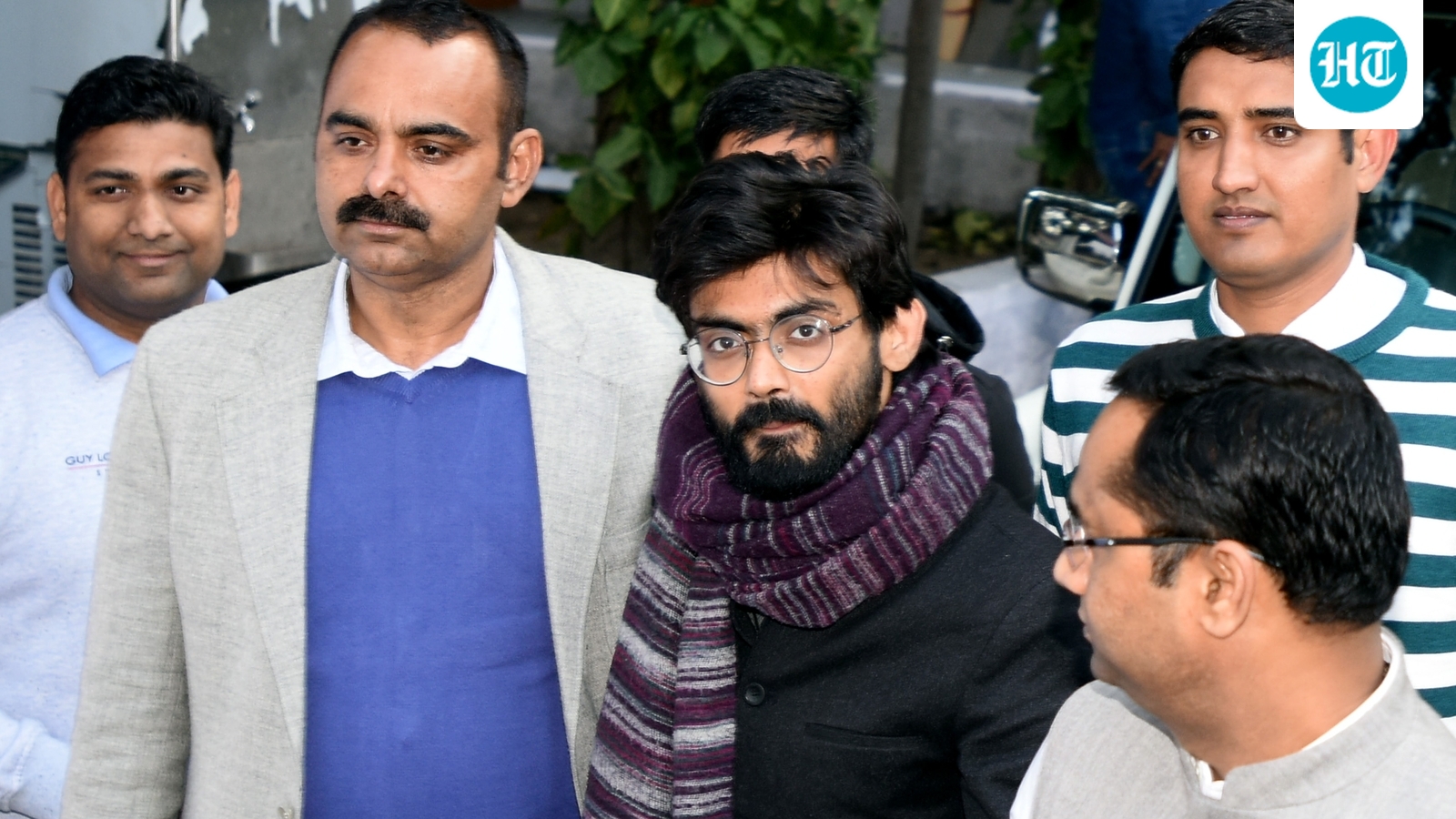
The Delhi Police on Friday sought cancellation of the interim bail granted to student leader Sharjeel Imam in the 2020 Delhi riots larger conspiracy case, alleging that he violated bail conditions by interacting with media persons during his temporary release.
The plea, moved through Special Public Prosecutor Madhukar Pandey, will be heard by Additional Sessions Judge Sameer Bajpai of Karkardooma courts on Saturday.
On September 22, the court granted Imam seven days of interim bail, from October 4 to October 10, to attend his cousin’s wedding, subject to conditions barring him from using social media and interacting with the media.
In its plea, the police cited a video allegedly circulating in the media in which Imam “could be clearly seen” interacting with media persons.
“Therefore, the accused grossly violated the aforesaid condition that he shall not come in contact of any media person,” the plea said, describing his conduct as “wilful and deliberate”.
The police argued that Imam had misused the liberty granted by the court and sought cancellation of his interim bail.
Imam was arrested on January 28, 2020, and booked under the stringent Unlawful Activities (Prevention) Act (UAPA). The police have alleged that he was a key intellectual architect of the conspiracy behind the February 2020 communal riots in northeast Delhi, which left 53 people dead and hundreds injured.
In a related development, ASJ Bajpai on July 5 rejected fresh bail pleas filed by Imam and co-accused Umar Khalid, citing a January 5 Supreme Court order denying them bail and laying down conditions for reviving their applications.
The two had relied on a May 18 Supreme Court judgment granting bail to Syed Iftikhar Andrabi in a narco-terror case investigated by the National Investigation Agency. In that ruling, a bench of justices BV Nagarathna and Ujjal Bhuyan expressed “serious reservations” about the reasoning adopted in the January 5 order.
However, the trial court noted that the apparent divergence between the two Supreme Court rulings had been referred to a larger bench. It said the fresh bail pleas could not be considered until the issue was resolved.
KioskNews shows a cleaned-up reading view extracted from the publisher’s page — the original always lives on their site, not ours.