How to check your liver after quitting alcohol: 3 tests that matter
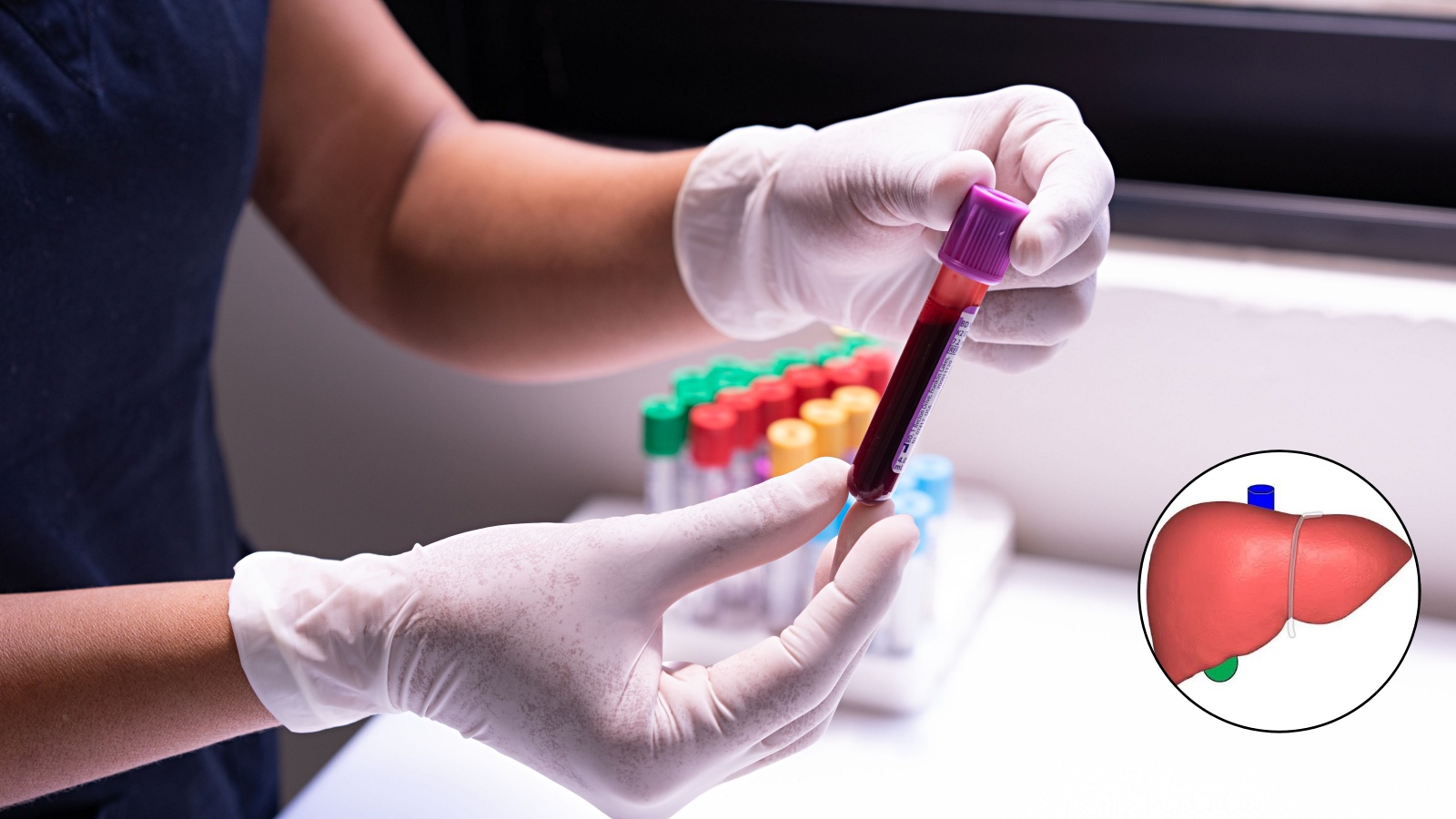
If you have stopped drinking after regular alcohol consumption, it is natural to wonder what is happening inside your liver. Do you need to wait for symptoms to improve, or can tests actually show whether the liver is recovering?
No single test can answer this. Doctors generally use a combination of blood tests and imaging to assess liver injury, liver function and scarring.
We spoke to Dr Ameet Mandot, Director – Hepatology, Gleneagles Hospital Parel, about tests that can help determine whether alcohol has affected the liver and whether it is recovering.
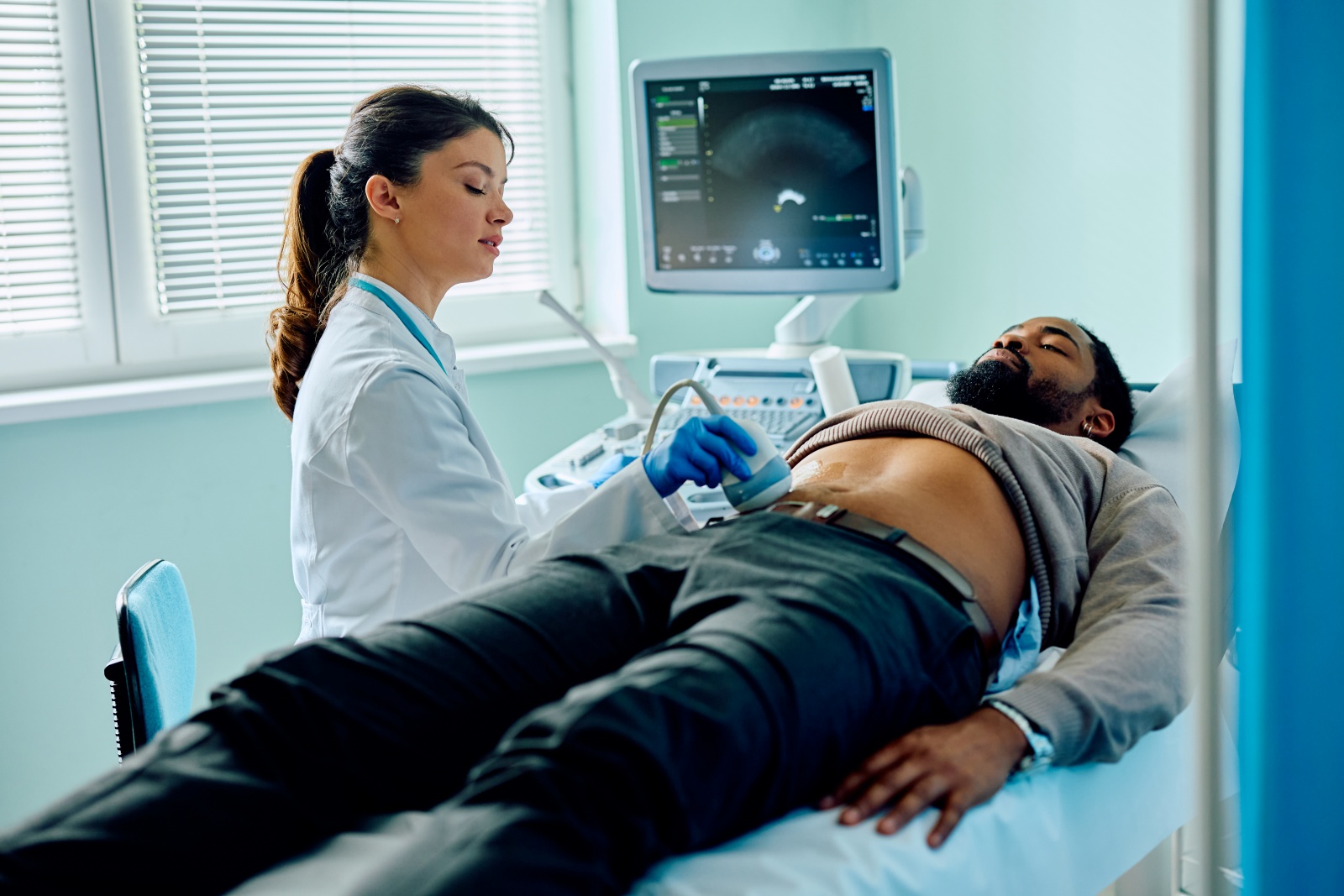 Depending on the history and examination, an ultrasound may assess the liver and detect fatty change or enlargement.
Doctors generally start with blood tests that look at different aspects of liver health. As Dr Mandot explains, “Doctors generally start with liver blood tests, including ALT, AST, bilirubin, alkaline phosphatase, albumin and other relevant parameters.”
These tests can provide clues about liver injury and how well the liver is functioning. However, blood tests alone do not necessarily show how much scarring has developed, which is why doctors may recommend further evaluation depending on a person’s history and examination.
DISCLAIMER: This article is based on information from the public domain and/or the experts we spoke to. Always consult your health practitioner before starting any routine.
An ultrasound may be one of the next steps. Dr Mandot says, “Depending on the history and examination, an ultrasound may assess the liver and detect fatty change or enlargement.”
Story continues below this ad
This can help identify changes such as fatty liver or an enlarged liver, but an ultrasound does not provide a complete picture of the extent of fibrosis or scarring.
Can a FibroScan show how much the liver has recovered?
Another test doctors may consider is a FibroScan or elastography. Unlike a routine ultrasound, it can assess liver stiffness and help estimate the degree of fibrosis, or scarring.
“Tests such as FibroScan/elastography can help assess liver stiffness and estimate the degree of fibrosis,” Dr Mandot says.
This is important because the extent of existing damage affects how much the liver can recover after a person stops drinking. Early alcohol-related fatty liver may improve with sustained abstinence, while established fibrosis or cirrhosis requires longer-term management and may not be completely reversible.
Story continues below this ad
Are more tests ever needed?
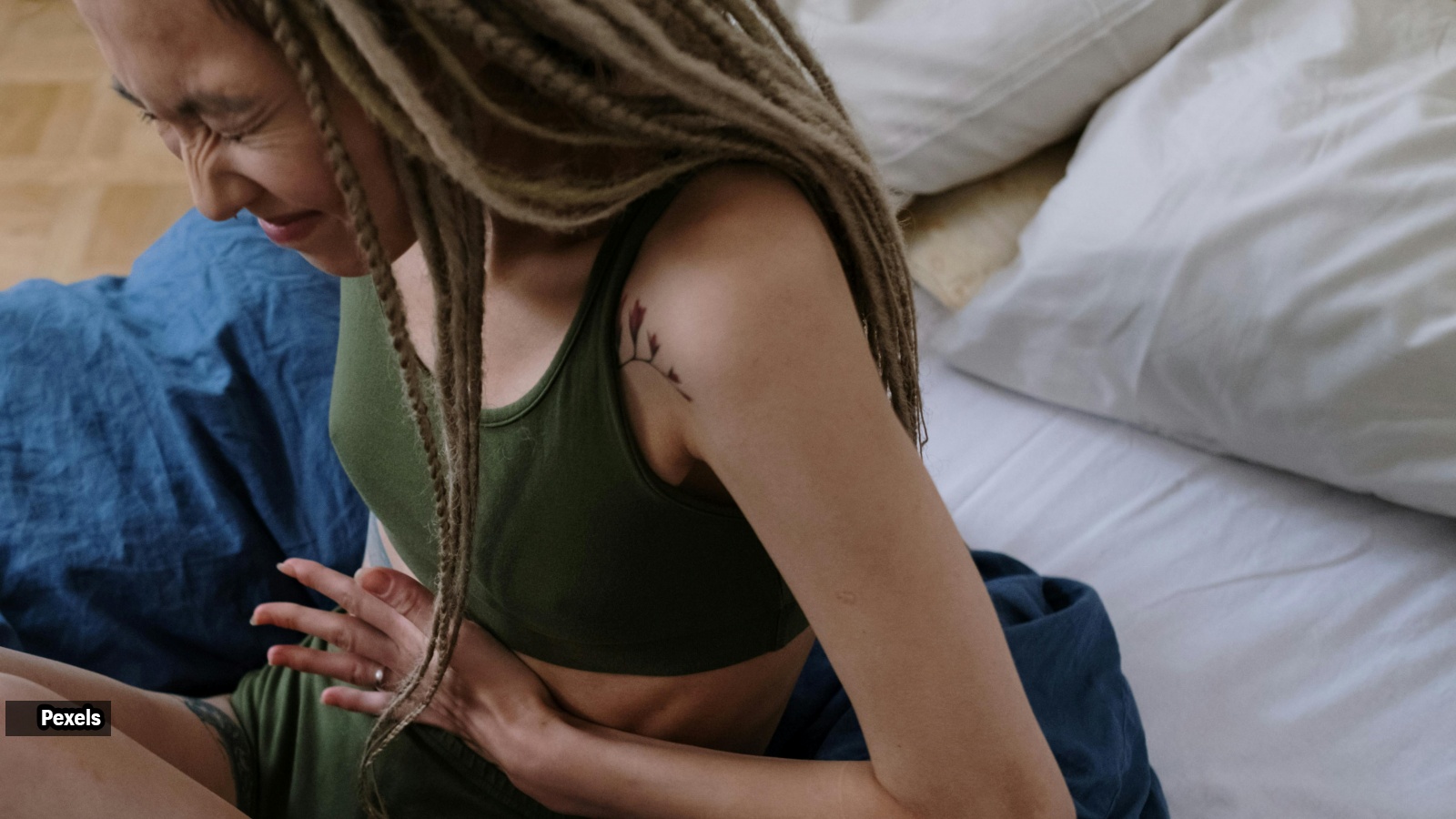 Abdominal discomfort doesn’t necessarily mean liver is still being damaged
Not everyone will need every available test. The choice depends on the person’s alcohol history, symptoms, examination and initial test results.
“In selected cases, additional blood tests, imaging or rarely a liver biopsy may be required,” Dr Mandot says.
A biopsy is therefore not a routine test for everyone with a history of alcohol consumption. Doctors may consider it in selected cases when they need more detailed information about the liver.
Importantly, symptoms alone cannot establish whether the liver is healing or worsening. Abdominal discomfort, for instance, does not necessarily mean that the liver is still being damaged. Liver-related pain can occur when inflammation or enlargement stretches the liver’s outer covering, but similar discomfort can also come from the gallbladder, stomach, intestines or muscles.
Story continues below this ad
Similarly, improvement in symptoms or liver blood tests does not automatically mean that all previous liver damage has reversed. The overall assessment depends on the person’s history, examination and the results of appropriate tests.
So, if someone wants to know whether their liver is recovering after stopping alcohol, a combination of liver blood tests, imaging and, when appropriate, fibrosis assessment can provide a clearer picture than symptoms alone.
DISCLAIMER: This article is based on information from the public domain and/or the experts we spoke to. Always consult your health practitioner before starting any routine.
KioskNews shows a cleaned-up reading view extracted from the publisher’s page — the original always lives on their site, not ours.