Inde Navarrette Reveals Why ‘Obsession’ Had to Be Her “Calling Card” [Exclusive]
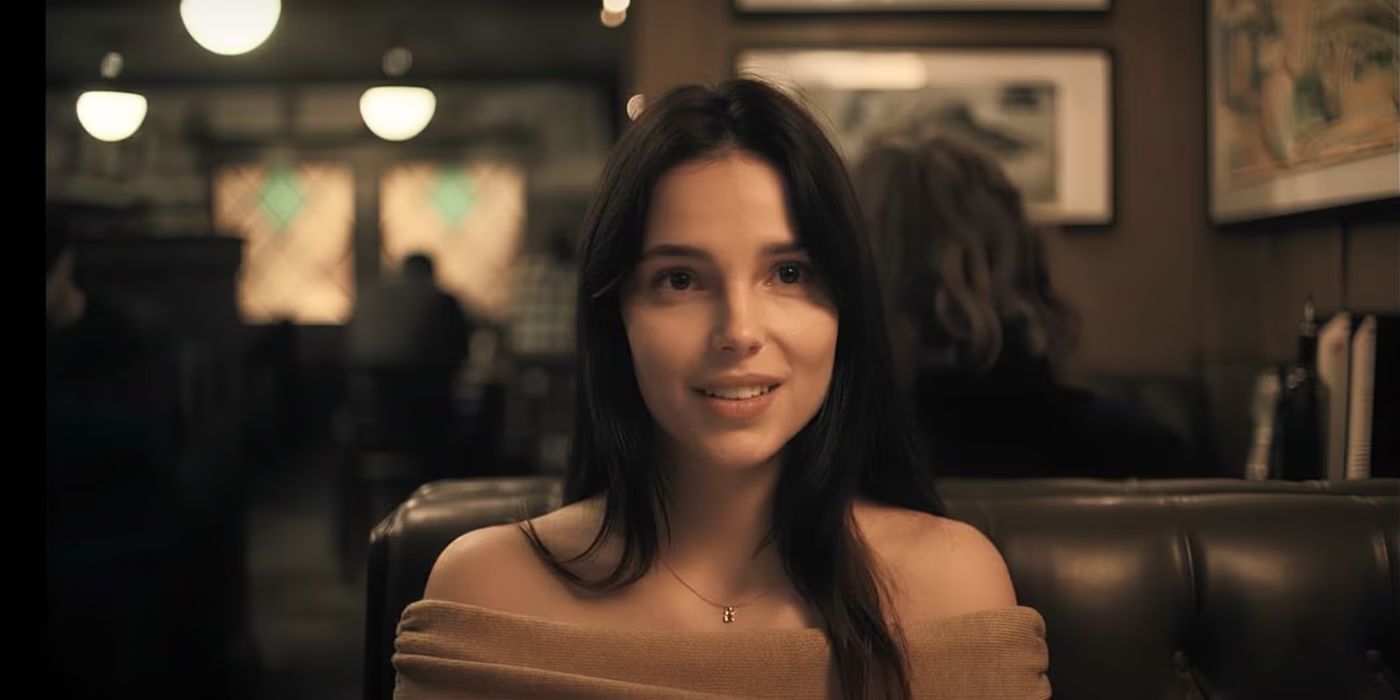
Getting exactly what you wish for is rarely good news in a horror movie. In Curry Barker’s Obsession, Bear (Michael Johnston) wishes for Nikki (Inde Navarrette) to love him more than anyone in the world, setting up a relationship neither of them is prepared for. The premise leaves plenty of room for frightening images, but it also puts an uncomfortable question underneath every interaction: What happens to the person whose feelings have been decided for them?
Nikki’s transformation makes the role a particularly demanding one. The woman audiences meet before the wish has to remain part of a movie increasingly occupied by what Bear wants from her. For Navarrette, that means a performance built as much around the person Nikki is as the nightmare unfolding around her. During a conversation with Collider’s Maggie Lovitt, Navarrette discussed her approach to the character, her preparation with Barker, and the experience of watching the finished movie with her family. Asked what the production had given her to take into future projects, she said, “I think Obsession gave me an entirely new toolbox.” She continued:
“I think it allowed me to have confidence in my questions that I have, and it gave me confidence. I didn't go into Obsession thinking about anybody else. It was at the time, I believed, my only opportunity to showcase what I've never showcased before. And I was gonna be damned if I didn't give it my all because I love my job, and I felt like a kettle that was on a stove that kept, just before it started boiling, it kept getting taken off. And I was just like, I need to do something.”
Collider Exclusive · 8 Questions · 2 Minutes What Is Your Biggest Horror Nightmare? Elm Street · Chucky · Scream · The Conjuring
Four horror franchises. Four completely different ways of scaring you. One waits until you fall asleep. One makes sure nobody believes you. One is already in your group of friends. And one is in the house with your family. Answer eight quick questions about how you actually watch horror, and find out which nightmare was built for you.
😴Elm Street(Freddy Krueger)
🧸Chucky(Child's Play)
📞Scream(Ghostface)
🕯️The Conjuring(The Warren Files)
01
Which horror scene makes you cover your eyes? Four classic images. One of them is worse than the others for you.
02
You are home alone and you hear a noise. First thought? Everybody has one. It arrives before you have decided anything.
03
Which horror movie rule would you break first? Everybody thinks they would survive. Almost nobody actually does.
04
Something genuinely frightening happens. What do you do? Not in a film. In your actual living room, tonight.
05
How do you actually watch a horror film? Be honest about this one. Nobody is checking.
06
Somebody offers you serious money. Which do you still refuse? The amount does not matter. There is one on this list you are not doing.
07
Which feeling stays with you a week after the film? Good horror does not stop when the credits do.
08
Something wakes you at 3am. What is the worst possibility? Eight questions in, this is the one that decides your nightmare.
The Lights Just Went Out Your Nightmare Is…
Four franchises, four completely different ways of getting underneath your skin. This is the one built out of your particular fear, why it works so well on you, and what it would leave behind.
Elm Street
Your nightmare does not wait outside the door. It waits for you to close your eyes, which you are going to have to do eventually, because nobody has ever won that particular argument.
- Freddy is horror's cruellest idea: a threat that lives in the one place you cannot guard, cannot lock, and cannot avoid forever.
- You are the one who is fine during the film and wide awake at two in the morning. Your own head is where this does its damage.
- These films understood exhaustion as a horror engine. The kids on Elm Street do not lose because they are weak. They lose because they are tired.
- You can lock every door in the house. You still have to sleep.
Chucky
Your nightmare is not really the doll. It is the face of the person you tell, and the way they decide, very kindly, that you have imagined all of it.
- Chucky works precisely because he is absurd. That is the trap: the more accurately you describe him, the less anybody is going to believe you.
- You are the one shouting at the screen because the characters are not listening. You know that feeling from real life too.
- The franchise is at its best when the adults in the room are the real obstacle, and you have met those adults.
- By the time somebody finally believes you, you will have handled most of it on your own.
Scream
Your nightmare has your number, knows your name, and has almost certainly been inside your house before. The worst part is that you already know them.
- Scream is the only one of these where the killer takes the mask off and turns out to be somebody who was at the party.
- You are the person who calls the twist out loud before it lands. You watch people the same way you watch films.
- The franchise made the rules of horror part of the plot, which means the survivors are the ones paying attention. You would be paying attention.
- Everybody is a suspect, including the person who just offered to walk you home.
The Conjuring
Your nightmare is not really about you. It is about the people asleep down the hall, and the feeling that whatever is here is not interested in leaving.
- The Conjuring films are domestic horror. The house, the family, the perfectly ordinary room that quietly stops feeling ordinary.
- Your instinct is to get everybody into one room. Your fear is protective rather than personal, which is rarer than it sounds.
- This is the one franchise where belief is the weapon. The people who come through it are the ones who are not alone and refuse to be.
- Whatever is here did not come for you. It came for the household, and you are the one standing in the hallway.
‘Obsession’ Gave Inde Navarrette a New Acting Blueprint
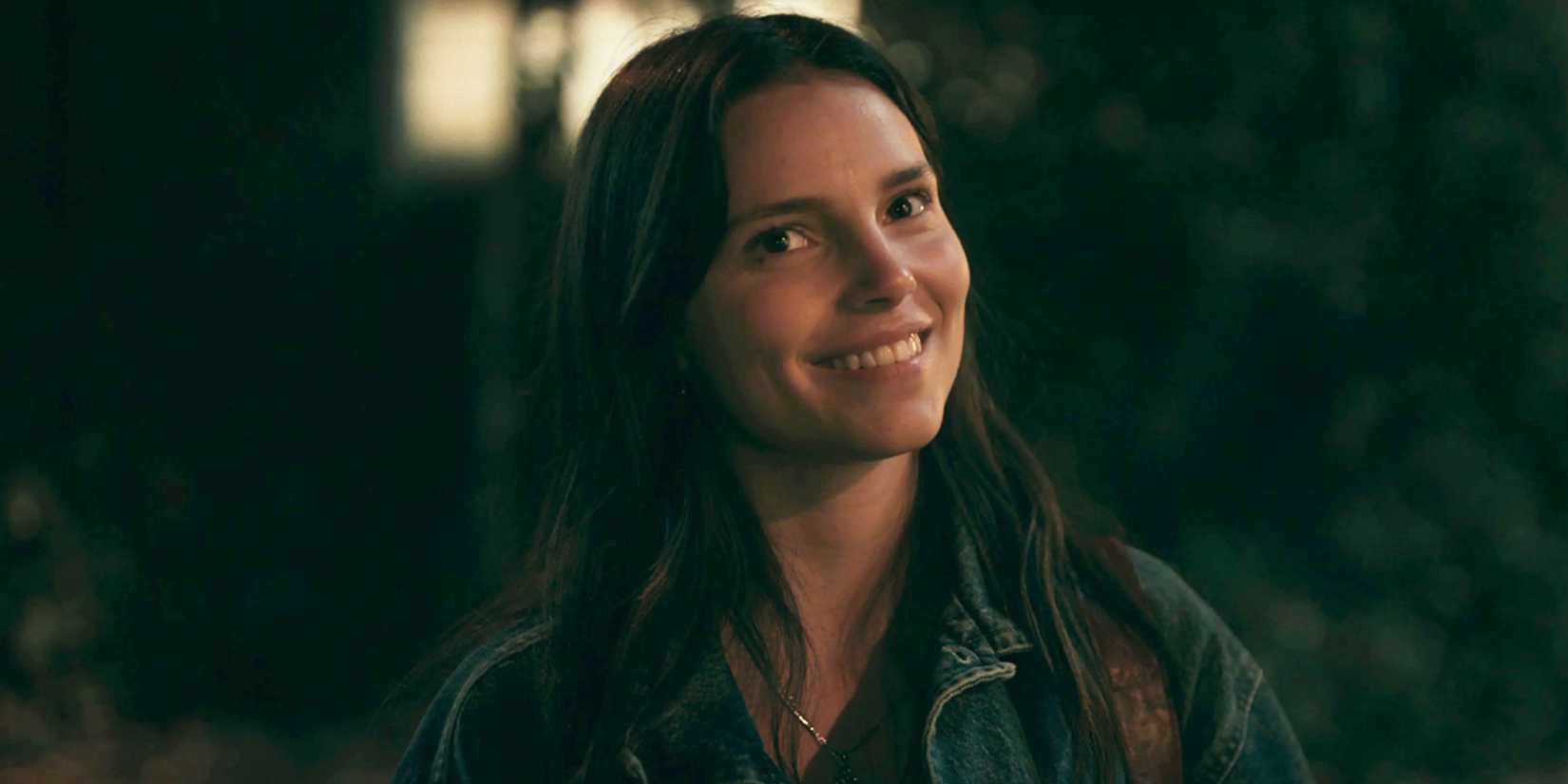
Before Obsession, Navarrette’s credits included 13 Reasons Why and Superman & Lois. Nikki brought her into a very different story, with a character whose physical and emotional demands become increasingly extreme. Discussing her expectations going into the production, she said:
“So if Obsession's gonna be anything, it's gonna be a calling card of if anybody can see anything in Obsession and go, 'Oh, I'd want her for this movie because she could showcase this, then beautiful, you know. But going in, I was like, okay, I'm not going in and making friends. I'm solely focused on the work. I have to be vulnerable. I have to be strong as the character. Like these are all the emotions that I have to portray.”
Lovitt’s question also looked ahead to the work that would follow the movie. Navarrette returned to that part of the conversation after discussing her approach to the production, saying: “It really gave me a sense of how I wanted to tackle other projects because I felt so proud of my own work because I knew that I gave it my all,” she said. “And so now going forward with other projects, I now have a blueprint to tackle those because that's what I got from Obsession.”
Inde Navarrette Started With Who Nikki Was Before the Wish
Lovitt also asked about the emotional progression of the role, from Nikki before the wish to the movie's final stretch. The question included the challenge of establishing the character before her agency is taken away. Navarrette began her answer with a scene from the script. “Yeah, I tackled real Nikki through a psychological aspect of, 'Okay, why does Bear like her and who is she," explained Navarrette. "So in the script, we have her at the bar constantly going back to him and saying, 'You were saying something.'” That interaction became part of the discussion about Nikki and Bear before the movie's supernatural premise takes over. Navarrette continued with the questions she used during her preparation. She explained:
“I felt like it was the pinnacle of where I started because that's what attracts Bear. She listens, and she pays attention and she makes him feel heard. Okay, that's an attractive aspect. Then okay, what would be the intimidating aspect? Why is he stuttering to talk to her? If she's listening and attentive, what would be the aspect that doesn't allow him to feel comfortable enough to say something? Okay, I see her as somebody that doesn't give a flying fuck what other people think about her. And so, okay, that's the intimidating aspect.”
The answer also addressed Nikki’s relationships outside of Bear. Other early scenes involve her friends Ian and Sarah, before the wish changes the direction of the story. “Okay, so how do you marry those two? So she doesn't care what other people think about her, that's fundamental, but she cares about other people. That's fundamental," Navarrette added. "And also, within, you know, the way that she shows up for her friends, she's joking around with Ian, she's joking around with Sarah. There, her and Sarah are arguing at the beginning, but then they also come to the end of the argument, where they're like, 'I love you, and I understand.' So she's caring, and she's kind. So that's that.”

The interview then moved into the practical work of preparing a performance for the camera. Barker wrote and directed Obsession, placing the conversations between actor and filmmaker at the center of that process. Navarrette discussed the specific questions that came up:
“And so going in, I really leaned on my prep work, and then going into the physicality of it of creating a conversation with Curry on vocally, what notes is she hitting. Whenever you say the word intense, what are you meaning? Are you meaning vocally intense or you mean intense in her body?”
Her answer also included the films and performances she watched during preparation. One example was Lupita Nyong’o’s work in Jordan Peele’s Us. “You see so much happening behind her eyes,” Navarrette said. “So there was a lot of performances in horror and outside of horror that I watched to really fine-tune this dialect with Curry on what specifically was being asked.” Lovitt followed up by asking whether a particular piece of direction had helped unlock a scene or an emotionally challenging moment. Navarrette’s response began with the freedom she had during filming. She said:
“Oh Curry really let me show him. And I think that piece of direction is exactly what I needed to bring Nikki to life. I needed with how trapped this character is to as the actor to be free on how that could be personified. And I feel like a lot of his direction came in telling me what he's asking, you know, and what he wants, and the faces. And so there was a lot of direction from him on the physicality of it and the choreography of what those movements mean.”
The conversation also covered the preparation that happened before production. Barker’s direction was the subject of the question, with Navarrette discussing their exchanges as scenes developed. She continued: “And then we did a lot of pre-production prep work on where she's at emotionally." Navarrette went on to explain that, "It was really cool to kind of like in a dance recital way, show him what I've been working on. And there were moments where he would fine-tune it, or have another idea because he got inspired by something that had happened. So I would say that the biggest thing that I got from him was kind of to trust myself with how I felt like the scene should go.”
Watching ‘Obsession’ With Her Mother Was a Different Kind of Horror Experience

The interview wasn’t entirely about making Obsession. Lovitt opened by asking how many times Navarrette had seen the movie, with the actress estimating about seven screenings between family viewings and festival events. Asked whether she had become accustomed to watching herself, Navarrette said:
“Oh, I don't know if it's something that I'll ever get used to, to be honest. I love the people that are kind of like, 'Oh, my work isn't for me.' So I kind of feel very similar to that, but there's so many moments where like I'll look at it and be like, 'Oh, I'm so proud because what I wanted to come across did come across there.' But there's definitely some scenes I will, right now, I refuse to watch, I will not watch, they are not for me. I go like this, and I say, 'Yay, everybody else gets to watch it. Yippee.'”
Lovitt followed up about watching the movie with different audiences, including family and friends. Navarrette recalled her mother’s first viewing at Focus Fest. “I was like, 'I'm so sorry, mom. I'm so sorry. I'm so sorry, I'm so sorry,'” she said. The answer then moved to the conversation after the screening. “But she turns to me, and she just goes, I'm so proud,” Navarrette recalled. She continued:
“So it was nice to have that moment of watching it with her where I think I'm traumatizing my mother, and then afterwards just have her kind of just say, like, 'You did a good job, and I feel for this character.' And so, that's when I felt something and everything else, it's just been really like a lot of fun to watch audiences' reactions because they're so different every single time.”
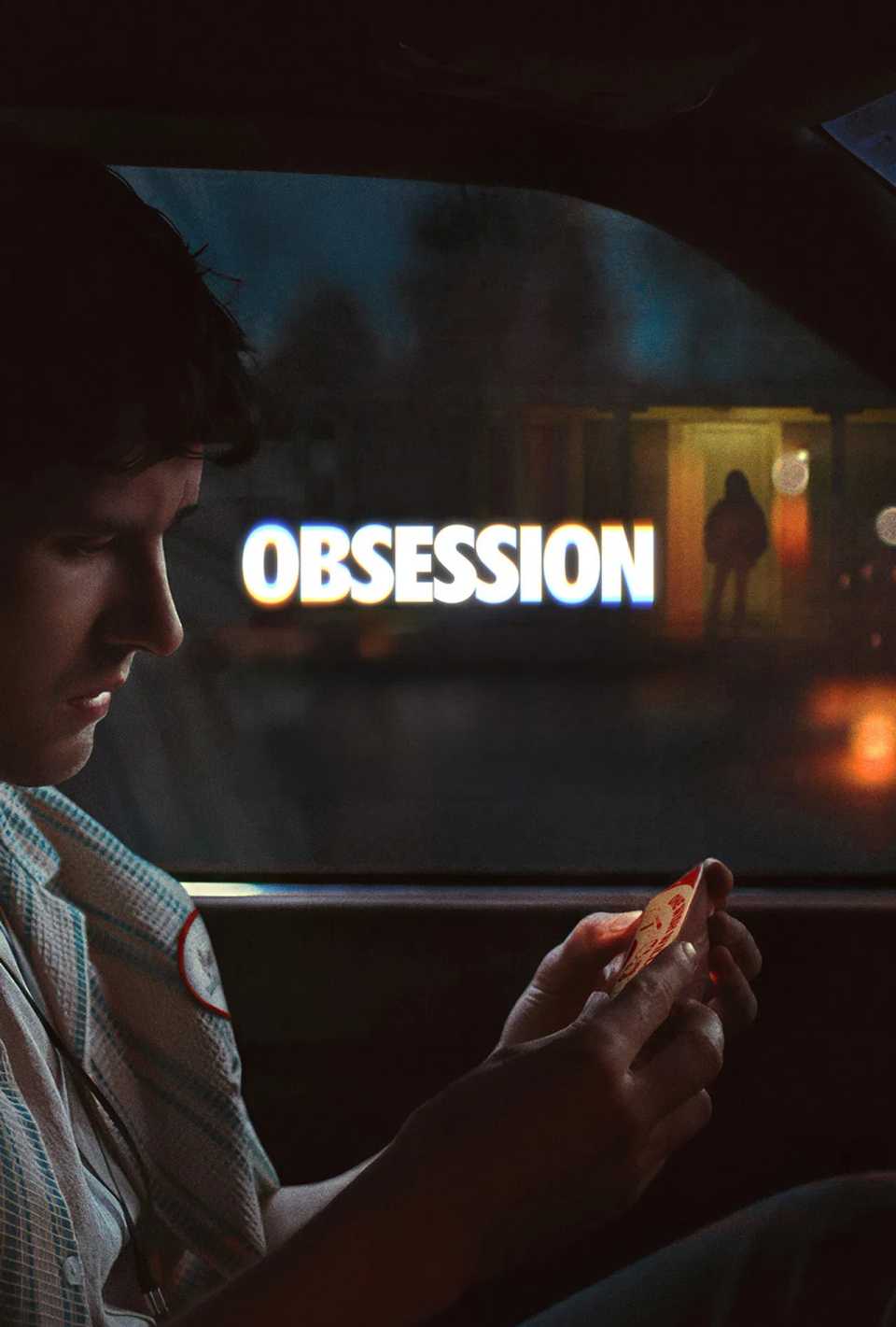
Obsession opened in theaters on May 15, 2026, and is available to watch at home.
- Release Date
- May 15, 2026
- Runtime
- 108 minutes
- Director
- Curry Barker
-

Michael Johnston
Bear
-

Inde Navarrette
Nikki
-

Cooper Tomlinson
Ian
-
Megan Lawless
Sarah
- Writers
- Curry Barker
- Producers
- Christian Mercuri, James Harris, Roman Viaris, Haley Nicole Johnson
KioskNews shows a cleaned-up reading view extracted from the publisher’s page — the original always lives on their site, not ours.