‘No deliberate malice’: Gujarat High Court quashes FIR over Buddha image on sarees
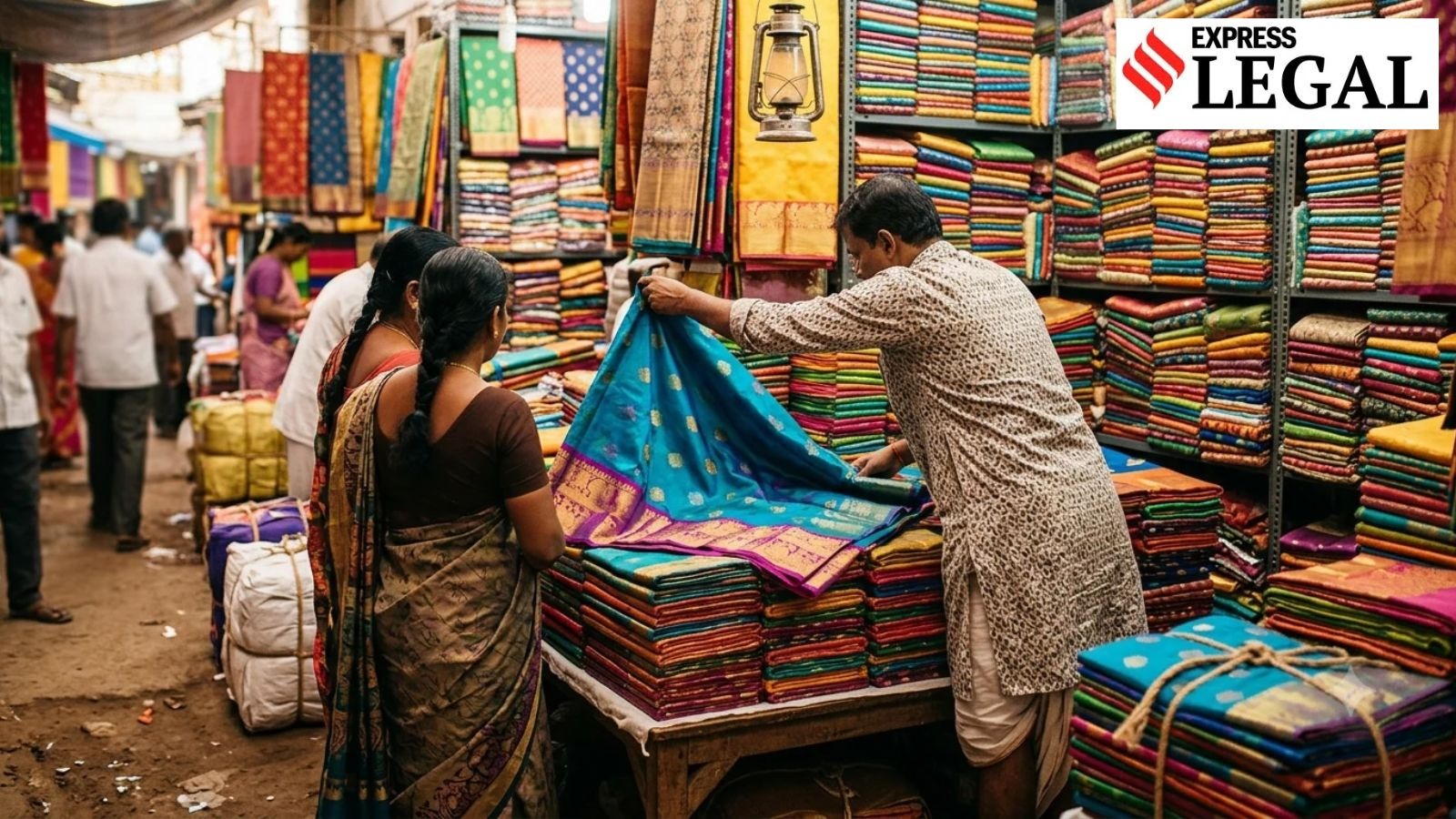
The Gujarat High Court has quashed an FIR against a Surat textile trader over sarees carrying the image of Gautam Buddha near the lower border, holding that the mere presence of such an image on a commercially sold garment does not constitute an offence of deliberately and maliciously outraging religious feelings. The court said that more than an objectionable depiction, the law requires a deliberate and malicious intention to outrage religious feelings.
Justice P M Raval was on October 7 hearing a petition filed by businessman Bharatbhai Hirjibhai Shankar seeking to quash the criminal case registered on December 21, 2017 alleging that sarees and other textile material bearing printed images of Gautam Buddha were being sold in Surat, with the images appearing towards the lower portion of the garments, including the feet, border or pallu area.
“Mere printing or selling of textile materials containing artistic depictions of a deity or revered icon, even if appearing on portions of a garment near the lower border or Pallu, cannot automatically be presumed to be an act driven by deliberate malice or calculated to disrupt public order. Commercial activity involving religious motifs, undertaken without any overt act, inflammatory rhetoric, or demonstrable intent to denigrate a religious belief, does not cross the threshold into a criminally punishable insult under Section 295A (deliberately and maliciously outraging religious feelings),” the court said.
It added that to hold otherwise would expand the criminal law beyond its intended constitutional limits and penalise commercial practices that have no criminal intent. “Thus, the uncontroverted facts set out in the FIR, even when taken at face value, fail to establish a prima facie case of an aggravated insult to religion against the present applicant,” the court said.
‘Calculated to wound religious feelings’
The case arose after the president of the Samast Yuva Ambedkar Samaj was informed by members of the community that sarees and textile fabrics carrying printed images of Gautam Buddha were being sold at premises in Surat’s textile market and other shops.
 Justice P M Raval said the applicant was a trader engaged in the routine business of selling dress materials.
According to the complaint, the community representatives inspected the shops and found sarees and other fabrics bearing images of Buddha. The complaint alleged that the images were positioned towards the lower portion of the garment, including the feet, border and pallu area, and alleged that this was calculated to degrade Buddha and intentionally wound the religious feelings of the community.
The businessman, on his part, denied any intention to hurt religious sentiments. His lawyer told the high court that he was engaged in the ordinary business of selling sarees and dress material, and procured goods from manufacturers according to prevailing designs and market demand. He argued that there was no intention to insult any religion or deliberately hurt the sentiments of any community.
Story continues below this ad
The petitioner also alleged that the complainant was engaged in the same business and that the FIR had been lodged because of business rivalry and competition. He further pointed out that while the alleged incident was dated December 19, 2017, the FIR was lodged on December 21, 2017.
The complainant and the state opposed the plea, arguing that photographs placed before the court supported the allegations and that a preliminary case had been made out. They also submitted that the high court should not conduct a mini trial while deciding a petition seeking quashing of an FIR and that the matter should be allowed to proceed through the criminal process.
What high court examined
Justice Raval examined what constitutes an offence under the relevant IPC provision, Section 295A. Referring to the settled legal position that the provision is concerned with an aggravated form of religious insult, it noted that an act must be accompanied by a deliberate and malicious intention to outrage the religious feelings of a class of citizens. An insult offered carelessly or without such deliberate and malicious intention does not automatically fall within the provision.
The court then examined photographs placed on record and a report submitted by the Salabatpura police in August 2024. The material indicated that the applicant had allegedly got sarees and other cloth material printed with images of God and Gautam Buddha, with the images appearing on the lower portion of the garments. The police report also indicated that similar material was being sold by others in Surat.
Story continues below this ad
But after examining the photographs, the high court found that there was nothing in the material before it to suggest an insult or attempt to insult religion or religious beliefs that was deliberate and malicious and intended to outrage religious feelings.
The court said that the applicant was a commercial merchant engaged in the routine business of trading sarees and dress materials based on prevailing market trends and designs.
The high court ultimately found that the uncontroverted facts set out in the FIR, even when taken at face value, failed to establish a preliminary case of aggravated insult to religion against the applicant. It held that continuing the criminal prosecution would constitute a clear abuse of the process of law.
KioskNews shows a cleaned-up reading view extracted from the publisher’s page — the original always lives on their site, not ours.