Every Hellraiser Movie Ranked By Kill Count
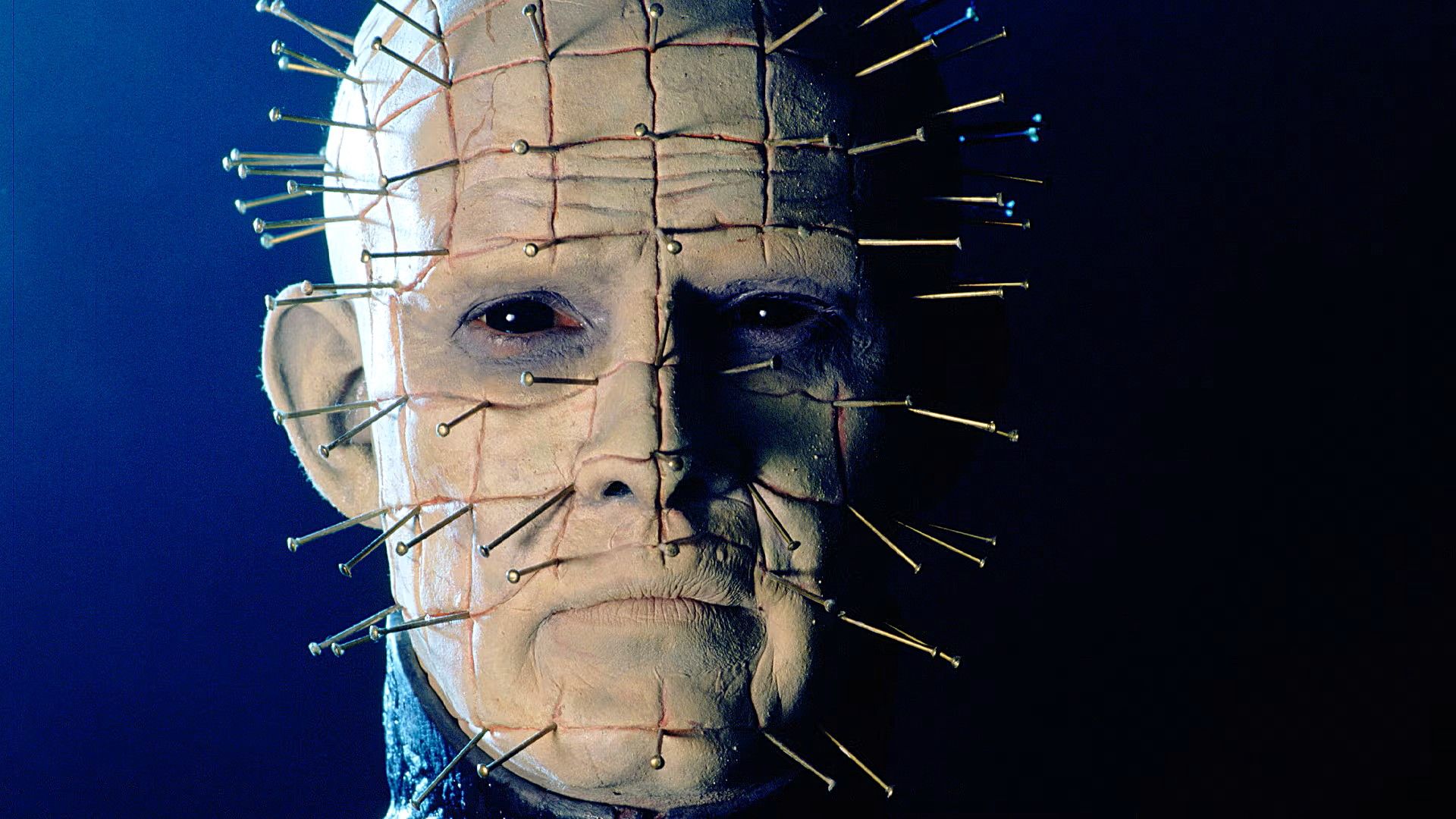
Hellraiser has a particularly grisly legacy in horror history. Yet, unlike slashers such as Friday the 13th or Halloween, these films were never primarily about body counts. Clive Barker's 1987 British horror classic introduced the Cenobites as explorers of pain and pleasure rather than simple murder machines. Pinhead was a supernatural philosopher who happened to have hooks embedded in his face. As the Hellraiser franchise evolved, however, the kill counts grew dramatically.
Hellraiser’s initial intimate story about lust, obsession, and damnation eventually transformed into a franchise featuring full-scale massacres, reality-bending death loops, cult suicides, and enough chains to stock a hardware store for a decade. Some entries keep the bloodshed surprisingly restrained, while others turn Pinhead into a one-Cenobite apocalypse.
The numbers below are based on documented on-screen and explicitly confirmed deaths. As with most Hellraiser movies, reality isn't always reliable, particularly in films such as Inferno and Hellseeker, where several deaths occur within personalized hellscapes rather than objective reality. This list covers all of those that occur in the runtime, real and illusionary.
Still, the kill counts provide a fascinating look at how dramatically the franchise changed over the years. By the time Pinhead reached his peak, he was competing with the biggest body-count champions in horror history.
11 Hellraiser (2022) — 7 Kills

David Bruckner’s Hellraiser (2022) reimagines the franchise around Riley McKendry, a recovering addict who discovers the Lament Configuration and becomes entangled in the Cenobites’ cruel bargain with wealthy collector Roland Voight.
One of the most memorable deaths belongs to the Chatterer, whose chest Riley stabs with the configuration. Pinhead subsequently tears the Cenobite apart with hooked chains, making its destruction a rare instance of the franchise’s monsters becoming victims themselves.
Voight’s fate is even more grotesque: after Pinhead impales him, the skin on his face is peeled back, and he’s transformed into a Cenobite, finally receiving the sensation he has pursued. It’s a much more modest kill count, allowing each to land in the same way as the original.
10 Hellraiser (1987) — 7 Kills
.jpg?q=49&fit=crop&w=825&dpr=2)
Clive Barker’s original Hellraiser introduces Frank Cotton, whose experimentation with the Lament Configuration brings him into contact with the Cenobites. When Frank returns from the dead after Larry Cotton accidentally spills blood onto the attic floor, he persuades Larry’s wife, Julia, to lure unsuspecting men home so he can replenish his body.
Their victims provide the film’s most grounded brutality, with Julia repeatedly bludgeoning men with a hammer before Frank drains their blood. The tally also includes Larry’s death, Frank’s two separate deaths, and Julia’s grisly end.
The standout remains Larry’s infamous “Jesus wept” moment when Pinhead explodes his face after he has been possessed by Frank. The line’s understated delivery makes the scene far more unsettling than a conventional scream.
9 Hellraiser 8: Hellworld (2005) — 9 Kills

Hellraiser: Hellworld follows a group of young people whose obsession with an online game based on the Lament Configuration brings them to a sinister party. The film initially appears to deliver familiar Cenobite attacks, with Allison, Derrick and Mike seemingly tortured and killed by Pinhead and his followers.
However, the apparent supernatural slaughter is largely a hallucination: the Host has drugged the guests and buried them alive in coffins, manipulating their experiences through suggestion. That twist makes the nine-death tally unusually complicated.
The count combines five actual deaths with four illusory ones, while Adam’s earlier offscreen suicide establishes the guilt driving the group. The Host’s real death is the highlight: after solving the configuration, he is sliced apart by Chatterer and the Bound Cenobite with a giant pendulous axe, on Pinhead’s orders.
8 Hellraiser 9: Revelations (2011) — 11 Kills

Hellraiser: Revelations centers on two friends, Steven and Nico, whose encounter with the Lament Configuration unleashes the Cenobites and leaves their families confronting a nightmare they barely understand. The film returns to the franchise’s familiar combination of sexual obsession, betrayal and bodily mutilation.
Among its most striking moments is the death of Peter Bradley. After Peter shoots the Puzzle Guardian, the creature retaliates by cutting off his face, turning his earlier violence against him in a gruesome act of supernatural revenge.
Revelation’s family drama also becomes increasingly bloody as Steven’s behavior grows more erratic and the Cenobites close in. Its eleven-death tally puts it comfortably above Hellworld, although the number alone does not capture how much of the film’s horror comes from the threat of mutilation rather than an elaborate body count.
7 Hellraiser 6: Hellseeker (2002) — 12 Kills

In Hellraiser: Hellseeker, Trevor Gooden survives a car crash but cannot remember what happened to his wife, Kirsty Cotton (the original Hellraiser final girl). As he tries to reconstruct events, he experiences disturbing visions involving murder, police investigations and Cenobite attacks.
Hellseeker gradually reveals that these apparent nightmares are part of Trevor’s personal hell, a punishment shaped by his betrayal of Kirsty and his plan to kill her for her money. The twelve-death tally combines five real deaths with seven illusions.
Hellseeker’s illusions repeatedly depict those victims dying in different ways, while two unnamed prisoners are killed by police in Trevor’s imagined world. Kirsty’s role as the actual killer gives the sequel a surprisingly satisfying reversal.
6 Hellraiser 10: Judgment (2018) — 13 Kills

Hellraiser: Judgment follows detectives investigating a series of murders committed by a serial killer known as the Preceptor. Their investigation leads them into a disturbing supernatural bureaucracy, where sinners are assessed and punished by forces serving Hell.
Hellraiser: Judgment shifts between conventional crime horror and the franchise’s familiar fascination with elaborate torture, giving its death scenes a particularly grotesque, procedural quality. The opening sequence establishes this appetite for graphic imagery, while the murders committed by serial killer Sean contributes to the human side of its tally.
The most memorable supernatural death involves Angel Jophiel, whose face is ripped apart by Pinhead’s chains. It is an especially vicious demonstration of the Cenobites’ indifference. The total count is thirteen, combining killings by the serial killer with Cenobite deaths.
5 Hellraiser 4: Bloodline (1996) — 16 Kills
-.jpg?q=49&fit=crop&w=825&dpr=2)
Hellraiser: Bloodline spans three periods, tracing the Lament Configuration from its creation by toymaker Philip LeMarchand to its consequences for his descendants and, eventually, a space station in the future. The extended timeline gives Bloodline a wider range of victims than most entries, with human murders, Angelique’s manipulations and Pinhead’s attacks all contributing to the tally.
One of the most memorable deaths comes when the twin security guards are forcibly merged together by Pinhead. The final space-station sequence adds another complication: the Elysium Configuration destroys the station, apparently killing Pinhead, Angelique and the Cenobites aboard.
Some tallies question whether these should count as deaths, since Cenobites likely returned to Hell rather than perish permanently. As they are seen on-screen blowing up, they have still been included here.
4 Hellraiser 5: Inferno (2000) — 16 Kills
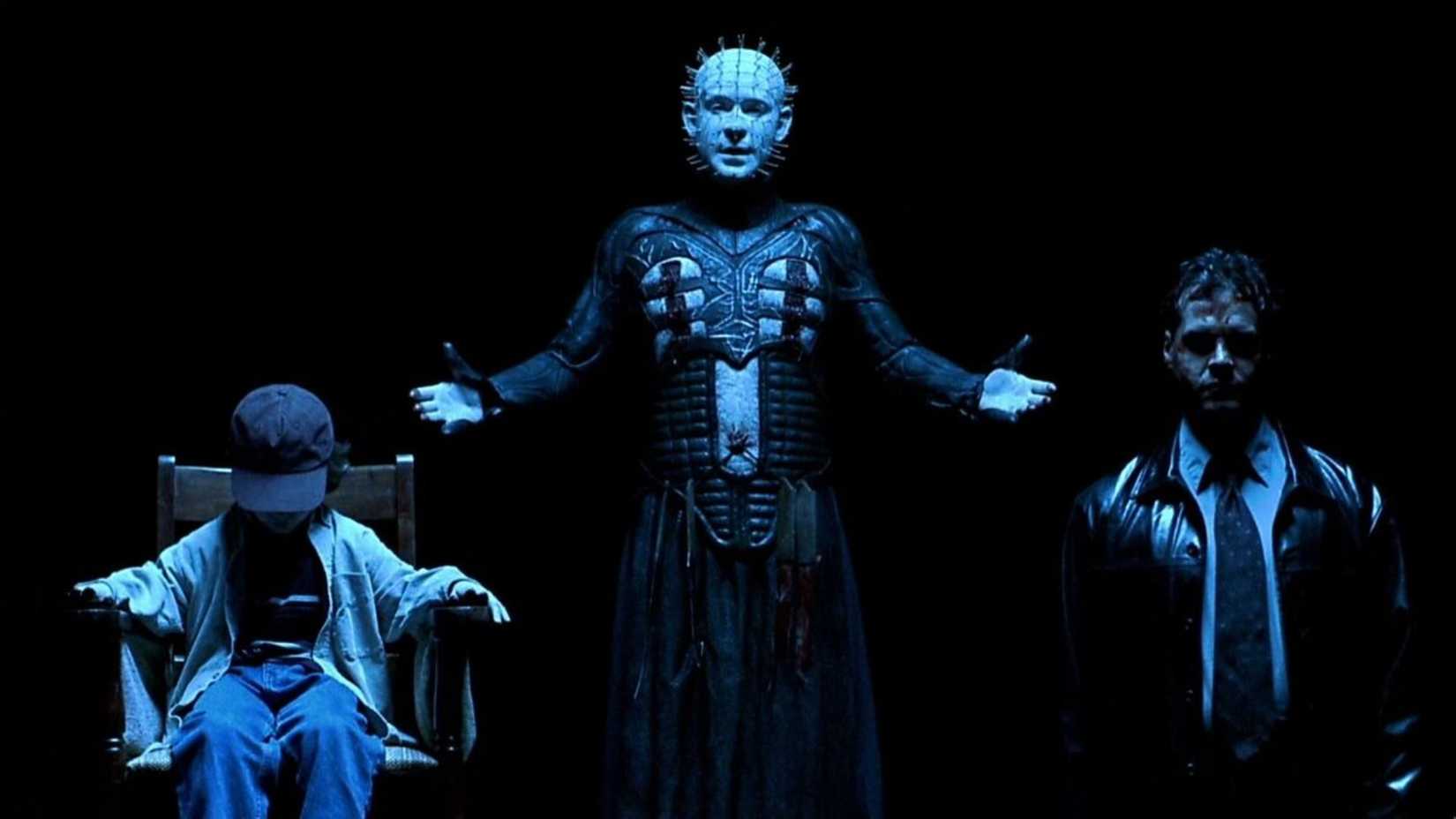
Scott Derrickson’s Hellraiser: Inferno follows corrupt detective Joseph Thorne, who discovers the Lament Configuration while investigating a ritual murder. After solving it, Joseph becomes trapped in a nightmare of hallucinations, apparent murders and increasingly disturbing encounters with the Engineer, a figure connected to his own wrongdoing.
Unlike the franchise’s more straightforward slasher entries, Inferno makes the viewer question whether its victims and deaths exist outside Joseph’s fractured perception. The sixteen-death tally is therefore misleading without context: only two victims are treated as real within the film’s central reality, while the remainder occur in visions and Joseph’s personalized hell.
Some characters die more than once, and Joseph himself experiences repeated deaths as the nightmare resets. This repetition is integral to the Inferno's punishment, forcing him to relive the consequences of his corruption rather than simply escape them.
3 Hellraiser 7: Deader (2005) — 18 Kills

Hellraiser: Deader follows journalist Amy Klein to Bucharest, where she investigates a cult whose members appear capable of returning from the dead. The group’s leader, Winter, hopes to use the Lament Configuration to control the Cenobites, but his ambition draws Pinhead’s attention and leaves the cult facing the consequences of its attempts to manipulate Hell.
The eighteen-death count is boosted by the cult’s unusual relationship with death. Some members kill themselves and are resurrected, while others are killed again by Pinhead and his hooked chains.
The finale adds numbers when an explosion destroys the cult’s headquarters, seemingly the remaining additional members. Deader’s high number therefore reflects repeated deaths and mass destruction as much as direct Cenobite attacks.
2 Hellbound: Hellraiser II (1988) — 30 Kills
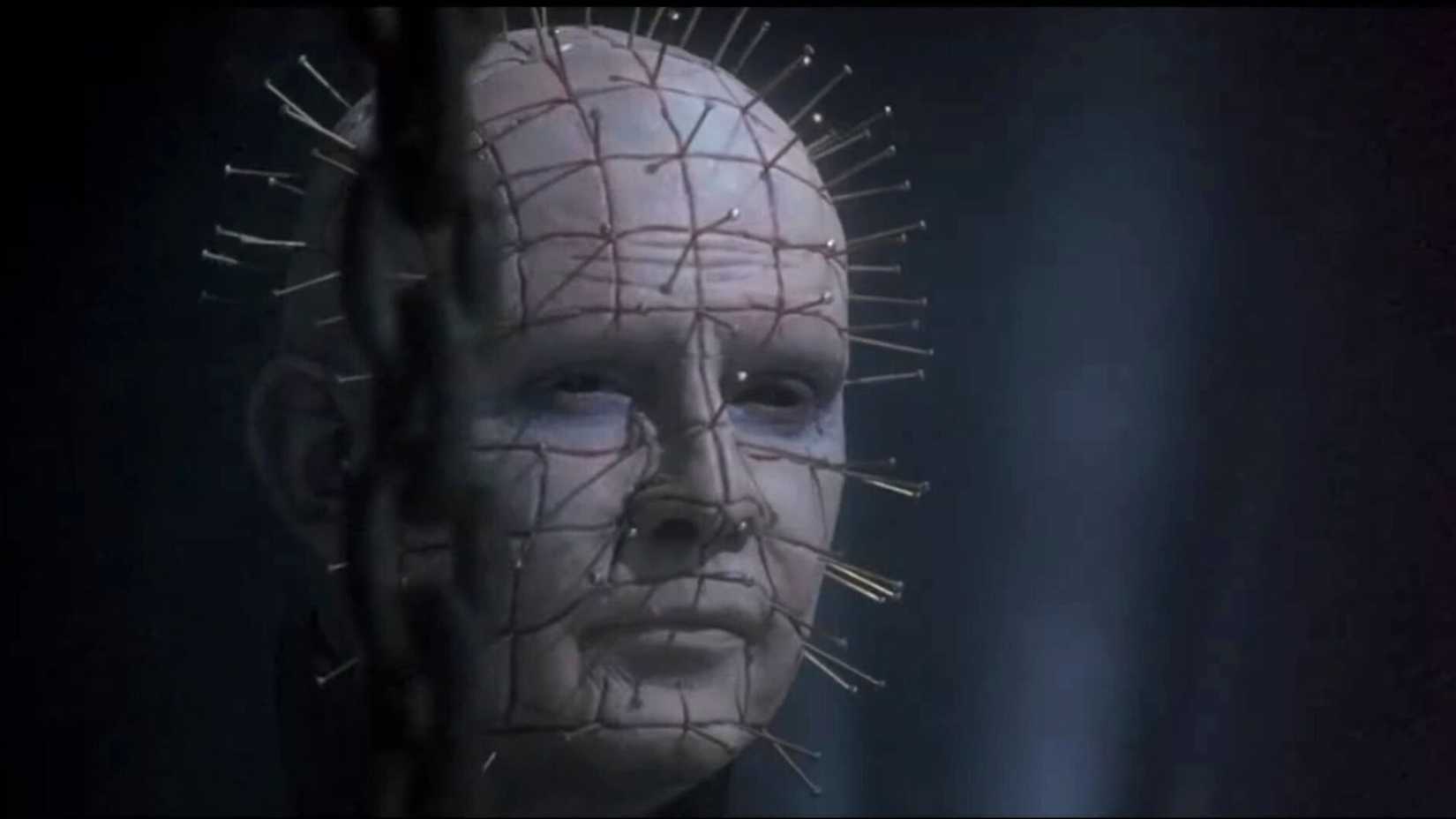
Hellbound: Hellraiser II resumes Kirsty Cotton’s story in a psychiatric hospital, where Dr. Channard’s obsession with the Lament Configuration leads him to revive Julia and explore the labyrinth of Hell. Julia lures patients into her grasp to rebuild her body, while Channard’s experiments eventually transform him into a Cenobite powerful enough to overwhelm Pinhead and his followers.
Hellbound’s death toll includes Julia’s victims, Channard’s patients and the Cenobites killed during the confrontation. Channard’s transformation is one of the franchise’s defining body-horror sequences: his scalp is opened and a mass of blades and tentacles emerges, making his new form as grotesque as his earlier human experiments.
His eventual death is equally memorable, as Leviathan’s tentacle tears his Cenobite head apart and casts him into the abyss. The supplied count is thirty, though some detailed lists record additional offscreen victims and put the total higher.
KioskNews shows a cleaned-up reading view extracted from the publisher’s page — the original always lives on their site, not ours.