Supreme Court eases rules in proving foreign divorce for Filipinos
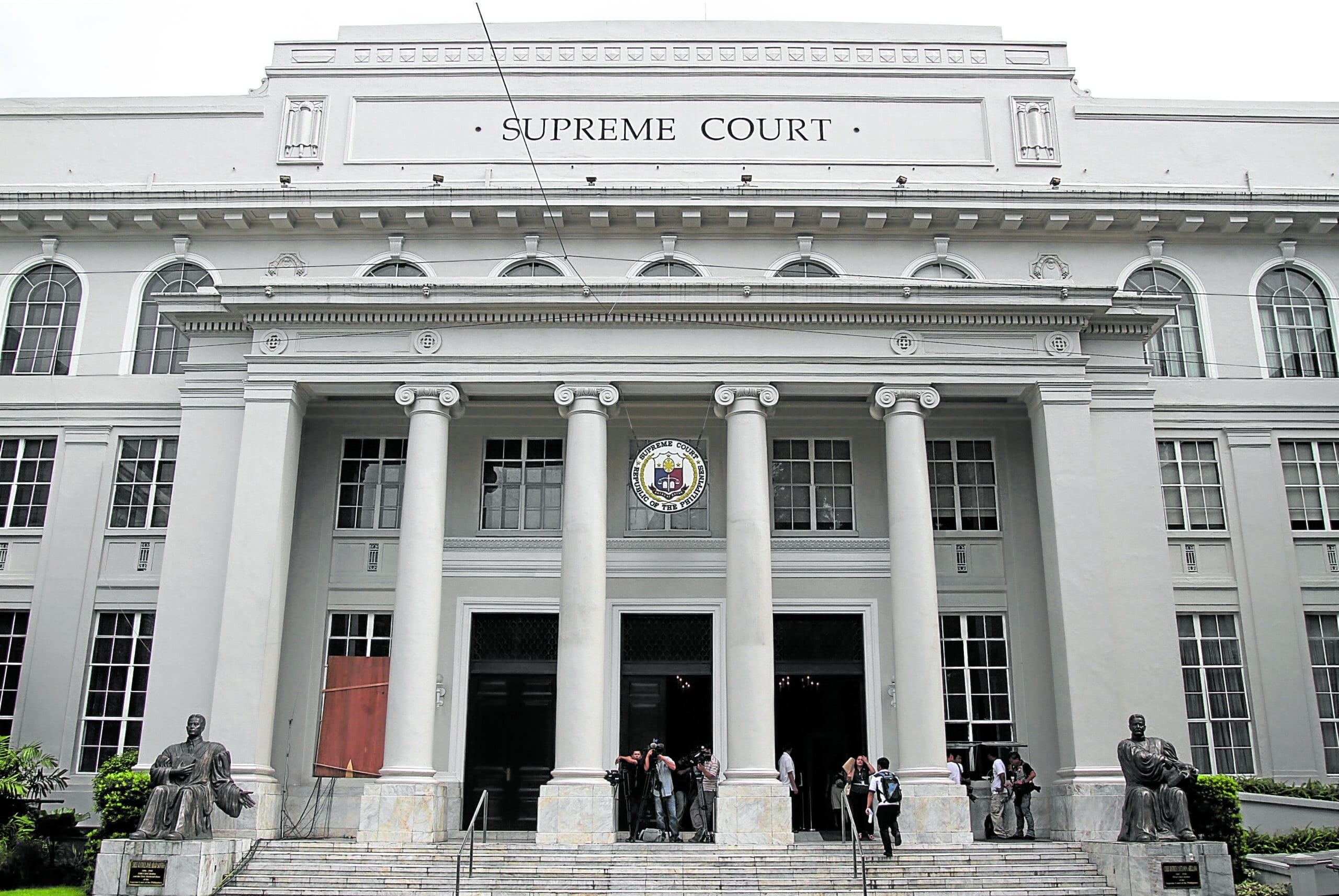

MANILA, Philippines—The Supreme Court has relaxed the rules in proving whether a divorce between a Filipino and a foreigner took place in another country where it is legal.
The high court initiated amendments to Sec. 48 of Rule 39 of the Rules of Court, specifically on the effect of judgments or orders under foreign laws, in an en banc session on Wednesday.
The changes removed the burden from parties of proving the specific foreign law applicable to their case when seeking local recognition of a divorce enforced in another jurisdiction.
Article continues after this advertisement
“They will only need to prove that the foreign divorce took place,” the high tribunal said in a statement.
FEATURED STORIES
NEWSINFO
NEWSINFO
NEWSINFO
The burden, however, shifts to anyone who challenges the petition for judicial recognition, it noted.
Grounds for contesting a foreign divorce include lack of jurisdiction, lack of notice, fraud or a “clear mistake of law or fact.”
It said the amendments were triggered by difficulties Filipino spouses, including overseas Filipino workers, reportedly experienced, as identified by the Department of Foreign Affairs.
“Through these amendments, the (Supreme Court) aims to remove unnecessary barriers and make it easier for Filipinos to exercise their rights under the law,” it added.
Article continues after this advertisement
These will take effect 15 days after the amended rules are posted on the high court’s website. It has yet to be uploaded as of Thursday afternoon.
The High Tribunal is also working on creating a central database containing verified and updated foreign laws on divorce and on the nullity or annulment of marriage. /apl
KioskNews shows a cleaned-up reading view extracted from the publisher’s page — the original always lives on their site, not ours.