Three weeks after C-section, Mumbai woman’s heart function drops to just 10-15%
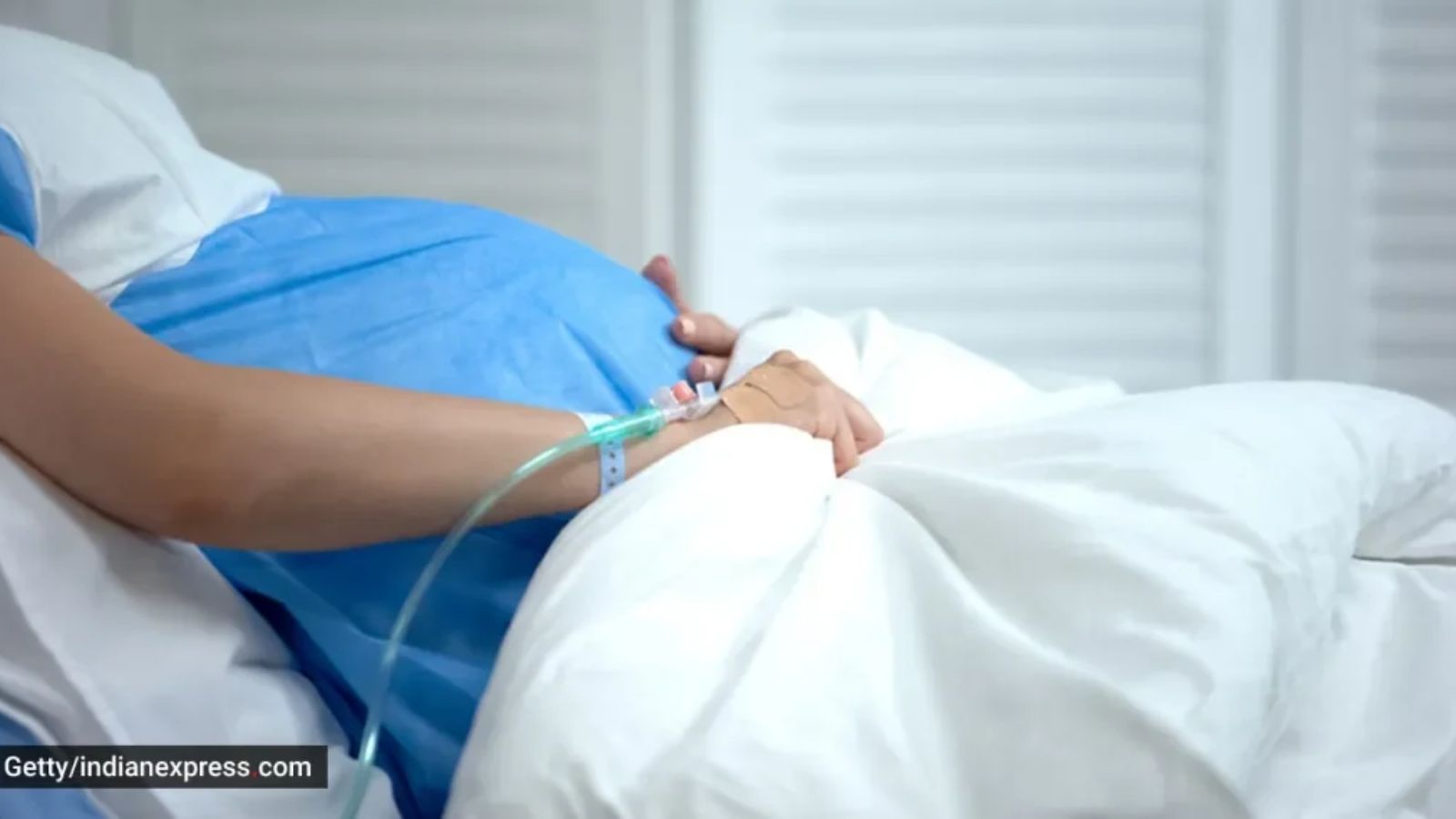
Three weeks after delivering her first child through an emergency Caesarean section, a 35-year-old Mumbai woman began experiencing bouts of breathlessness, which worsened quickly. What initially appeared to be allergic bronchitis turned out to be a potentially life-threatening heart condition: peripartum cardiomyopathy (PPCM), in which the heart muscle weakens and loses its ability to pump blood effectively.
The woman, Sudeepta Rai (name changed), a working professional from Tagore Nagar, Vikhroli, was found to have a heart pumping capacity of just 10-15 per cent. She required intensive care, ventilatory support and treatment for severe heart failure at Adi Arogyam Superspeciality Hospital in Vikhroli East.
A subsequent echocardiogram showed encouraging improvement, with her heart’s pumping capacity rising to 40 per cent. However, she continues to require medication and regular cardiac monitoring.
What is PPCM, and why can it go unnoticed?
PPCM is an uncommon form of heart failure that develops towards the end of pregnancy or in the months following childbirth. It can affect women with no previous history of heart disease, making early diagnosis challenging. “The exact cause remains incompletely understood. One reason involves the breakdown of prolactin, a hormone involved in breast milk production, into a smaller fragment that may damage the blood vessels and heart muscle under conditions of oxidative stress. There could be genetic susceptibility, too,” said Dr Anjum Sheikh, chief intensivist.
Advanced maternal age, multiple pregnancies, hypertension and pre-eclampsia are among associated risk factors. However, the condition can also develop without any identifiable risk factors. Rai was 35 and had experienced an otherwise uncomplicated first pregnancy.
From breathlessness to a critical diagnosis
Rai underwent an emergency C-section on July 22, 2026, at 40 weeks of pregnancy after signs of foetal distress. Her pregnancy, delivery and immediate recovery were reportedly uneventful, and she had no known pre-existing medical conditions. On August 13, she developed progressively worsening breathlessness. Initially diagnosed with allergic bronchitis, she was prescribed nebulisation and oral steroids. But her condition deteriorated within hours. She became severely breathless even while lying down, prompting an emergency hospital visit.
“She presented with severe breathlessness and persistent cough. She was unable to lie down because of the worsening respiratory distress. Given the severity of her symptoms, she required immediate evaluation and multidisciplinary intervention,” said Dr Rupkatha Sen, senior consultant physician at the hospital.
Story continues below this ad
Investigations revealed pulmonary oedema, or fluid accumulation in the lungs. An echocardiogram showed that her left ventricular ejection fraction (LVEF) — the percentage of blood pumped out by the heart’s main chamber with each beat — had fallen to 10-15 per cent, against the normal range of approximately 50-70 per cent.
Her oxygen saturation also dropped to 75 per cent despite supplemental oxygen, necessitating non-invasive ventilation in the ICU. A blood test measuring NT-proBNP, a marker of cardiac stress, was markedly elevated at 12,304. “We immediately initiated treatment with intravenous diuretics to remove excess fluid, along with ventilatory support and medicines to control her blood pressure and heart rate and improve cardiac function,” said Dr Anjum Sheikh, chief intensivist.
She also received antibiotics after investigations indicated a possible respiratory infection, along with anticoagulation and standard heart failure medication. Bromocriptine, a drug used in selected PPCM cases, was added to her treatment. After seven days in hospital, she was discharged following stabilisation.
Symptoms that should not be dismissed
One reason PPCM can be missed is that its symptoms often resemble common complaints during pregnancy and after childbirth. Breathlessness, fatigue, swollen legs and reduced exercise tolerance may be attributed to the physical demands of pregnancy or postpartum recovery.
Story continues below this ad
However, worsening breathlessness, difficulty breathing while lying flat, waking up gasping for air, palpitations or unexplained swelling should never be ignored. An echocardiogram is essential to assess heart function and help establish the diagnosis.
In Rai’s case, a follow-up scan showed her LVEF had improved from 10-15 per cent to 40 per cent. While encouraging, this remains below the normal range.
She has also been advised against breastfeeding because her treatment includes bromocriptine, which suppresses prolactin production.
Recovery needs continued monitoring
The extent of recovery varies, with some women regaining normal heart function while others develop persistent heart weakness or chronic heart failure. “An initial ejection fraction below 30 per cent is associated with a greater risk of adverse outcomes and incomplete recovery. In this patient, her readings indicated severe myocardial dysfunction and required close monitoring,” said Dr Abhilash Mishra, interventional cardiologist at the hospital.
Story continues below this ad
He stressed that being discharged does not necessarily mean the heart has recovered. “Serial echocardiographic assessments are essential to monitor left ventricular function and guide further treatment. Heart failure medication may need to be continued even after improvement in ejection fraction, with any reduction considered only after specialist assessment,” he said.
Future pregnancies also need careful planning. Women who have experienced PPCM may face recurrence, particularly if their heart function has not fully recovered. “Preconception cardiac assessment and counselling involving cardiologists and obstetricians are essential before planning another pregnancy. A subsequent pregnancy can carry the risk of recurrent PPCM and further deterioration in cardiac function, especially when left ventricular function remains impaired,” Dr Mishra said.
KioskNews shows a cleaned-up reading view extracted from the publisher’s page — the original always lives on their site, not ours.