The morning heart attack pattern: Why the hours after waking may matter
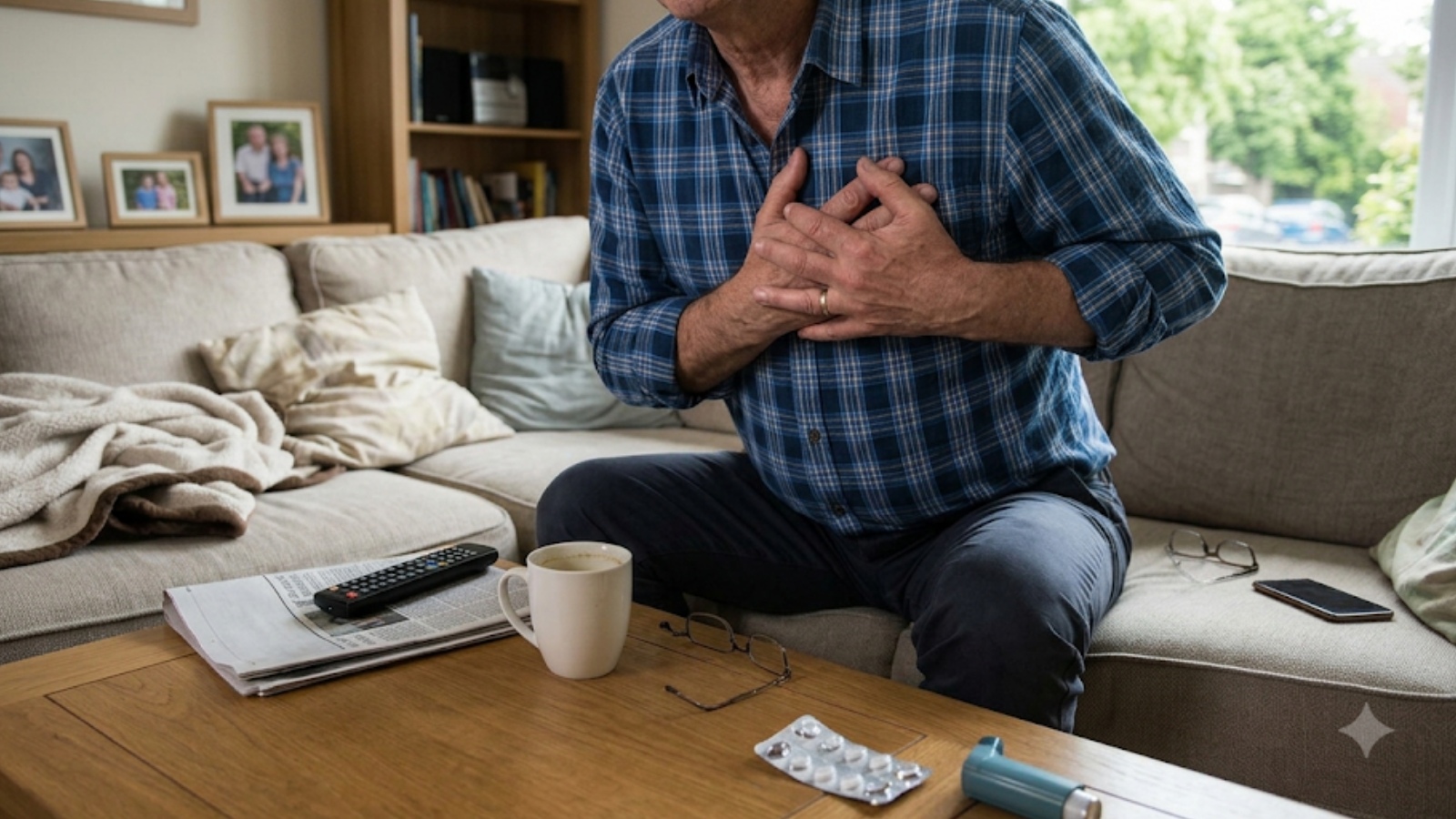
A social media claim suggests that most heart attacks happen between 6 am and 8 am. But is there really a specific two-hour window when the heart is most vulnerable?
There is some evidence of a morning pattern in heart attacks, but the picture is more nuanced than the 6–8 am claim suggests. Previous studies have found that acute myocardial infarctions (heart attacks) occur more frequently between 6 am and noon, rather than specifically between 6 and 8 am.
Dr Diwakar Kumar, Consultant, Cardiology Unit-II, Interventional Cardiology, Asian Hospital, explains why this pattern may occur — and why focusing on one particular hour can be misleading.
DISCLAIMER: This article is based on information from the public domain and/or the experts we spoke to. Always consult your health practitioner before starting any routine.
Is there really a “peak time” for heart attacks?
“Previous studies have shown that heart attacks are more frequent between 6 am and noon, not just between 6 and 8 am,” Dr Kumar said.
“A recent observational study also observed that 31.6% of acute myocardial infarctions occurred between 6 am and noon,” he explained.
This morning pattern may be related to normal waking changes in the body, including increased sympathetic nervous-system activity, blood pressure, heart rate and changes in clotting, Dr Kumar added.
Story continues below this ad
These changes may contribute to cardiovascular stress in people who already have underlying risk factors. However, this does not mean that people are safe from a heart attack outside these hours. “This does not mean a person is ‘safe’ from a heart attack at other times of the day,” Dr Kumar said.
Is the traditional morning pattern changing?
According to Dr Kumar, better control of blood pressure, cholesterol and other cardiovascular risk factors, along with medications such as beta-blockers and other heart-protective therapies, may play a role.
“People should look at their overall cardiovascular risk instead of one particular ‘dangerous’ hour,” he said.
However, Dr Kumar cautioned against concluding that medication has eliminated a morning peak. “It would be premature to say medication alone has wiped out a morning peak. Evidence is mixed depending on condition and patient group,” he said.
What matters more than the time of day?
Dr Kumar highlighted high blood pressure, high cholesterol, diabetes, smoking, obesity, physical inactivity and a family history of premature cardiovascular disease as important factors.
Story continues below this ad
This means that maintaining cardiovascular health involves managing these risks over time rather than simply being cautious during a particular part of the day.
Which heart attack symptoms should you never ignore?
“Chest pressure or discomfort, pain spreading to the arm, back, neck or jaw, breathlessness, cold sweating, nausea, unusual fatigue or light-headedness are signs of a heart attack and require urgent medical attention,” Dr Kumar said.
What does cardiac arrest look like?
The warning signs of sudden cardiac arrest are different. “The critical signs for cardiac arrest are sudden collapse, unresponsiveness and no normal breathing or only gasping,” Dr Kumar said.
If someone suddenly collapses and is unresponsive and not breathing normally, immediate CPR and use of an automated external defibrillator (AED), if available, can be lifesaving.
Story continues below this ad
DISCLAIMER: This article is based on information from the public domain and/or the experts we spoke to. Always consult your health practitioner before starting any routine.
KioskNews shows a cleaned-up reading view extracted from the publisher’s page — the original always lives on their site, not ours.