How Hong Kong can attract and keep the best and brightest PhD students
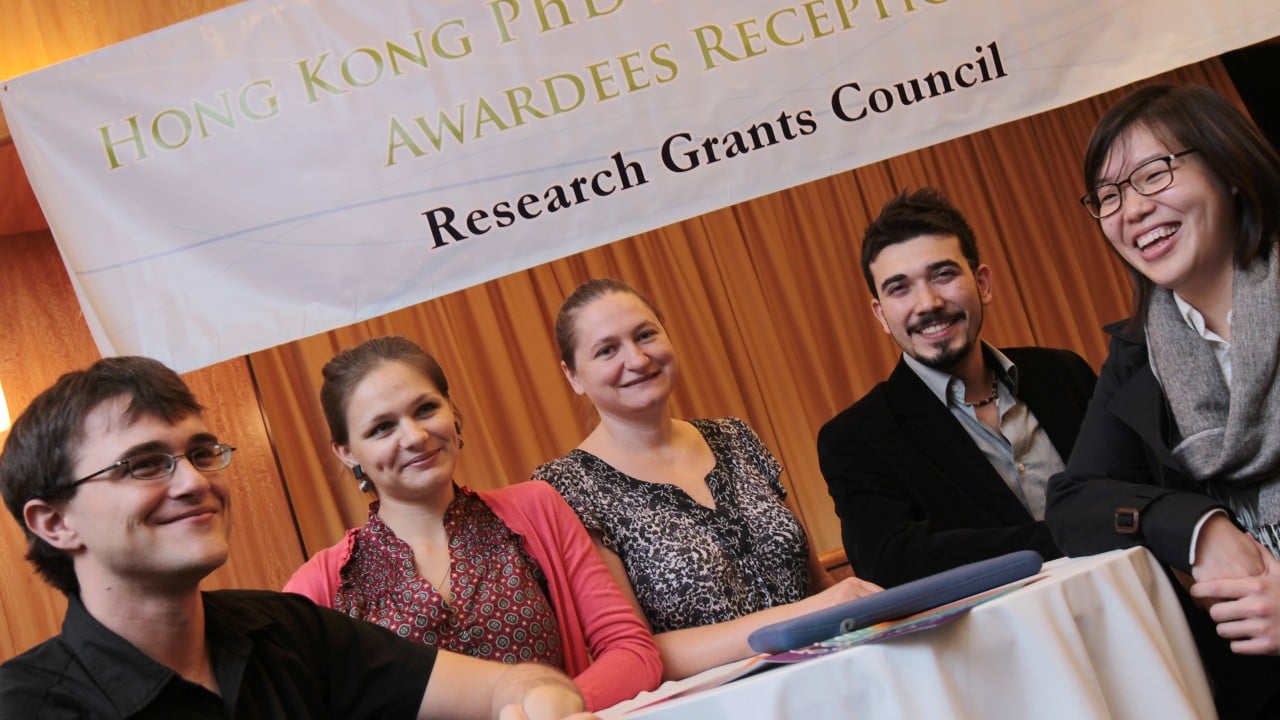
Hong Kong is committed to building an international education hub and doctoral education remains a central pillar of this agenda.
Doctoral students contribute to research capacity, innovation and global knowledge networks, and build the talent base needed for high-quality economic and social development.
They may go on to become tomorrow’s professors, entrepreneurs, policy specialists and leaders across sectors, contributing to Hong Kong’s long-term competitiveness, with the potential to extend their impact beyond the city. Attracting and nurturing global doctoral talent is in Hong Kong’s interests.
The Hong Kong PhD Fellowship Scheme (HKPFS) aims to attract the “best and brightest” global talent for doctoral study. The fellowship offers a competitive yearly stipend and a travel allowance for conferences and research.
The government is committed to raising the fellowship’s quota from 400 places in the 2026/27 academic year to 550 by 2029/30. The aim is to strengthen Hong Kong’s higher education sector, elevate the international profile of local universities and expand the high-skilled talent pool.
Understanding why the non-local fellows chose Hong Kong, their study experiences and their contributions during and after doctoral training is key to sustaining the scheme’s appeal and strengthening Hong Kong’s standing as a doctoral education destination.
Nearly 40 per cent of surveyed non-local HKPFS students hoped to pursue academic careers in Hong Kong. Yet … they perceived difficulties in securing academic positions at Hong Kong’s universities; and only 14 per cent of interviewed graduates had done so
Supported by the Chief Executive’s Policy Unit’s Public Policy Research Funding Scheme, a research team surveyed 253 non-local HKPFS students and interviewed 100 HKPFS students and graduates from Hong Kong’s publicly funded universities to generate these insights.
Study findings show the HKPFS effectively attracts high-calibre doctoral talent from around the world. Survey participants represented 43 nationalities, and nearly half held master’s degrees from universities ranked among the world’s top 100. Four-fifths came from Belt and Road Initiative countries.
Hong Kong was a first-choice destination for some, especially students from mainland China. For others, however, it was a less familiar option than alternatives in Western countries or home regions. Interviewees’ accounts of peers asking, “Why Hong Kong?”, suggest Hong Kong’s doctoral opportunities, while competitive, remain somewhat under-recognised internationally.
Hong Kong would do well to continue to promote itself as a world-class destination for doctoral study. Awareness of Hong Kong as a doctoral study destination among students outside mainland China relied heavily on informal academic and peer networks; the HKPFS was often decisive in their choice of destination.
As the city steps up international promotion of the “Study in Hong Kong” brand, consideration should be given to strengthening online promotion of the HKPFS, including social media engagement, to reach a broader global audience. The Research Grants Council and university graduate schools could also launch an HKPFS ambassador scheme to help fellowship awardees promote the scheme through their networks.
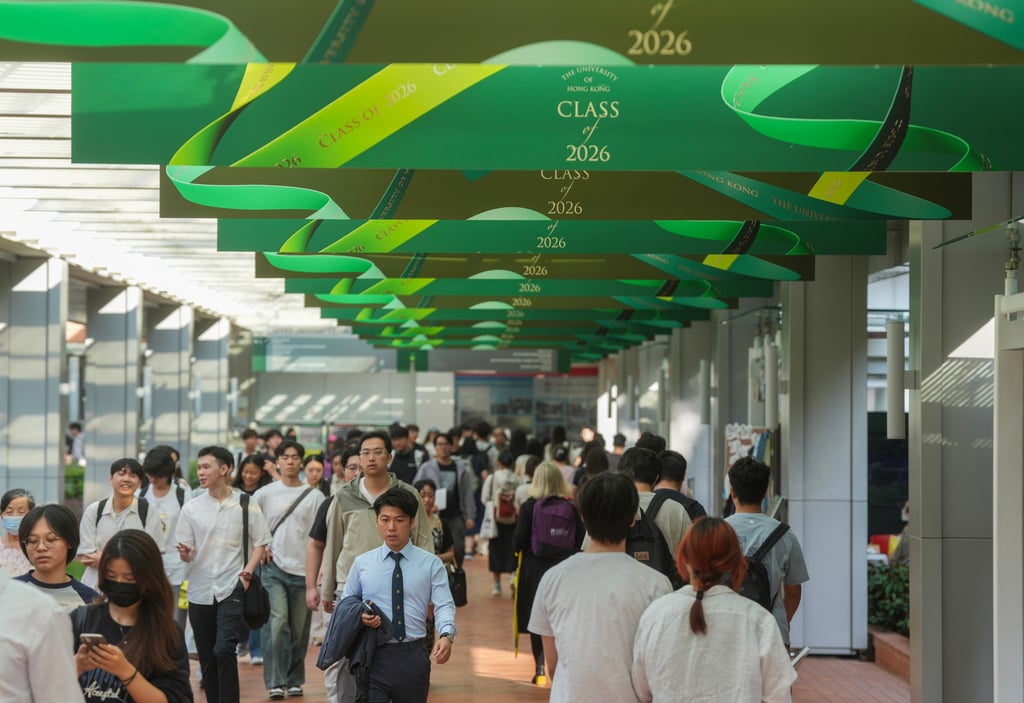
Participants thought highly of the academic training in Hong Kong, citing strong supervision, internationally recognised faculties and ample research resources. These perceptions were reflected in their academic output: over 70 per cent had presented at an international conference, and more than half had published in peer-reviewed academic journals.
The HKPFS thus supports not only talent attraction but also meaningful contributions to Hong Kong’s universities. Further supporting academic productivity, such as by increasing the HKPFS travel allowance by 15-20 per cent, would encourage fellows to remain active at the forefront of their academic fields.
More than three-quarters of survey participants intended to pursue academic careers. In many cases, the Hong Kong PhD experience served as a springboard to academic positions at universities, especially across Asia. Overall, 68 per cent of graduates interviewed worked in academia worldwide. Indeed, doctoral talent cultivated in Hong Kong can contribute not only locally but also globally.
But the findings point to a potential gap between non-local HKPFS students’ career aspirations and graduates’ employment outcomes in Hong Kong. Nearly 40 per cent of surveyed non-local HKPFS students hoped to pursue academic careers in Hong Kong.
08:53
Hong Kong graduates face gloomiest job outlook in 5 years
Yet, the participants also highlighted challenges. They perceived difficulties in securing academic positions at Hong Kong’s universities; and only 14 per cent of interviewed graduates had done so.
Interviewees felt that local universities often favoured internationally trained candidates from elite institutions overseas through global recruitment strategies, with appointments shaped by publication records, international exposure and academic networks.
While measures including the extension of the Immigration Arrangements for Non-local Graduates (IANG) visa to 24 months and relaxed part-time work rules show notable progress, more support for talent retention and stronger career support is needed. The Research Grants Council could work with universities to provide career-focused activities, mentoring and networking opportunities for HKPFS graduates.
The HKPFS supports Hong Kong’s ambition to be a world-class higher education hub. It attracts talented doctoral students globally, provides high-quality academic training and contributes to the development of globally connected scholars.
To build on this success, the policy should go beyond recruitment alone. It should also enhance global visibility, strengthen academic experiences and create clearer pathways for longer-term contribution to Hong Kong after graduation.
KioskNews shows a cleaned-up reading view extracted from the publisher’s page — the original always lives on their site, not ours.