Noel Tata on Tata Trusts’ twin roles: Philanthropy, projects of national importance
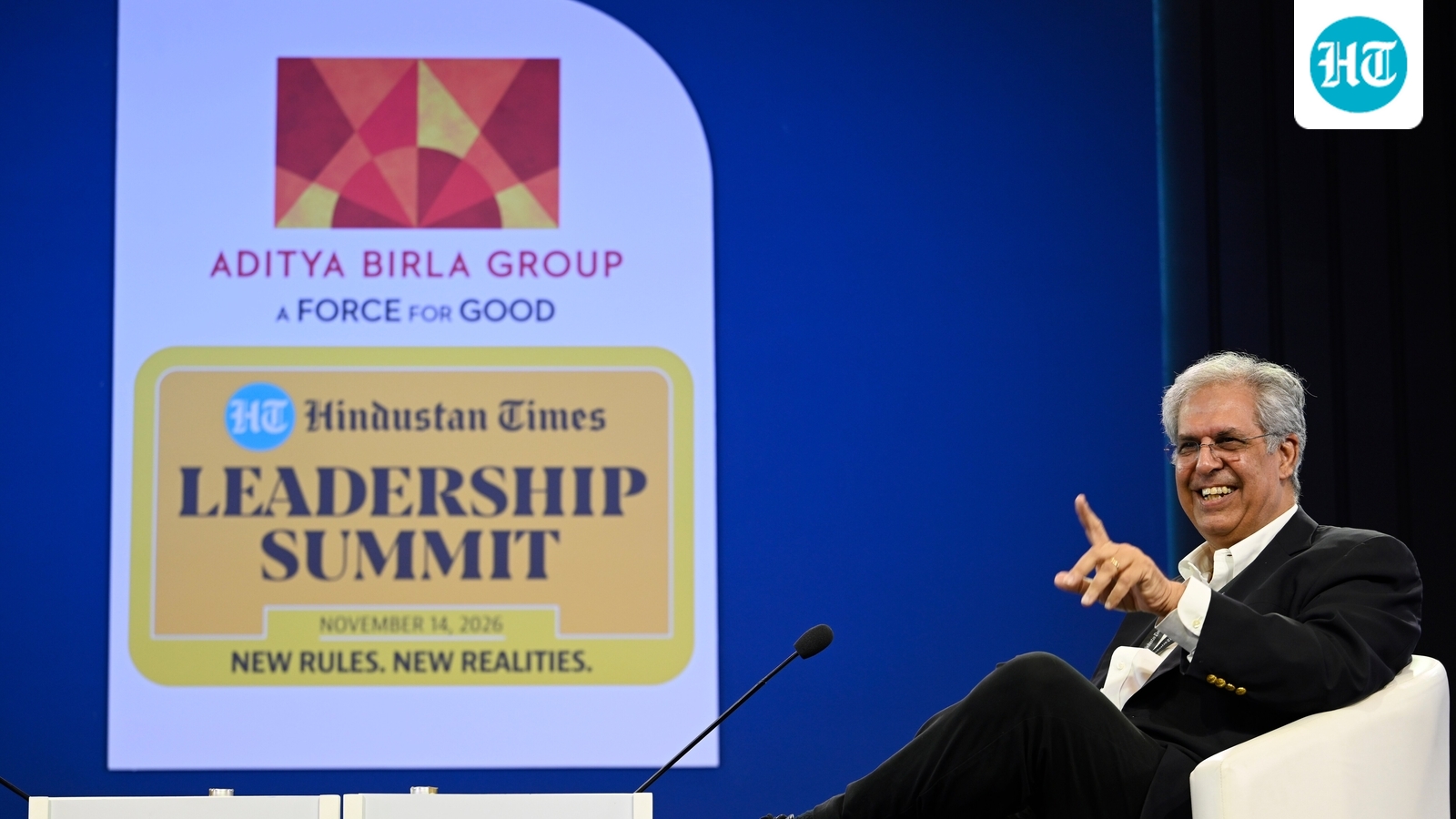
Tata Trusts Chairman Noel Tata has introduced a two-part plan for the country’s oldest and largest charity group: continue giving, but measure it by the results, and keep supporting Tata Sons’ investments in important national projects.
Speaking at the Hindustan Times Leadership Summit in New Delhi on Saturday, the 70-year-old Tata Trusts chairman said the charitable institutions would have two distinct but complementary roles.
“One part is the direct philanthropy, which we do. So building institutions, giving grants to other NGOs, or alleviating hardships directly with beneficiaries. The second is through Tata Sons, to invest and nurture projects of national importance,” said Noel.
“We are, from a trust perspective, we stand 100% behind Tata Sons’ efforts to build these projects and invest in projects of national importance,” he said, noting that this is part of the institution.
“And while continuing the philanthropy work, and basically we end up with a balance between some direct philanthropy, which happens every year, and some money going towards investment in national projects.”
Also Read | For US, India a 'global force', Pakistan ties regional: Antony Blinken at HT Leadership Summit
Long-gestation bets
Noel said these investments were not necessarily detached from commercial considerations. “They are projects which have a longer gestation period. They might have a little more risk than a normal project,” he said. He added that the expectation was that such ventures, once incubated, would eventually become public companies and prosper in the marketplace.
Tata Group’s approach is not new. The Group’s founder, Jamsetji Tata, donated half his wealth to educational charities and backed pioneering ventures that helped build India’s industrial and infrastructure capabilities in steel, hydroelectric power, textiles and truck manufacturing.
“I had to see what the founders’ intentions were. What did they leave? Because they were really pioneers in philanthropy, let’s say, 130 years ago,” Noel said.
“They could have left their money to the salary, to their cousins. Instead, they decided, no, we leave our shares and our money to these two trusts… This is embedded in the DNA of the group. And I think this will continue,” he added.
Their instructions, according to Noel, were clear: “We want you to create institutions,” “We want you to provide relief to people in need, communities in need” and “We want you to advance knowledge.”
These principles, Tata said, would remain his guiding light in setting the Trusts’ priorities and future programmes.
Also Read | I don’t question Tata’s direction, I question delivery: Noel Tata at HTLS
Noel said direct charity work will focus more on clear results than on how much money is spent. Reviewing current programmes after he became chairman in October 2024 helped him see the importance of measuring the real impact of efforts, Tata said. “I began to see that possibly impact was more important than expenditure,” he added.
The comments echo his message in the Tata Trusts’ 2025-26 annual report, which signalled that philanthropy will now be judged by results, not cheque size.
“It is no longer enough to ask how much we have contributed,” Noel wrote in his letter. “We must ask what difference that contribution has made, and whether that difference will endure.”
He added a line that appeared aimed at the country’s wealthy donors: “Trying to become the biggest before becoming the best rarely ends well.”
The letter set out three changes. The Trusts will create new institutions that can last as public resources, rather than only supporting existing ones. They plan a network of 40 to 50 non-profit general hospitals, where patients who can pay help cover the cost of care for those who cannot. They are also open to partnering with other philanthropies on big projects, a notable shift for a group behind landmark institutions such as IISc, TIFR and Tata Memorial.
Also Read | Noel Tata on his vision for Tata trusts, filling Ratan Tata's 'very large shoes' | HTLS 2026
Where the money went
The Trusts paid out ₹1,556 crore (about $167 million) during the year. Institutions and programmes received ₹1,353 crore, while individuals in need received ₹203 crore, mostly for cancer treatment and student scholarships.
Rural livelihoods took the largest share at ₹458 crore, followed by education ( ₹270 crore), cancer care ( ₹178 crore) and long-term support to institutions ( ₹169 crore). Taken together, health is the biggest theme: cancer care, healthcare and medical grants to individuals add up to about ₹428 crore, or 27% of the total.
KioskNews shows a cleaned-up reading view extracted from the publisher’s page — the original always lives on their site, not ours.