Britain’s pro-Brexit parties are becoming increasingly irrelevant
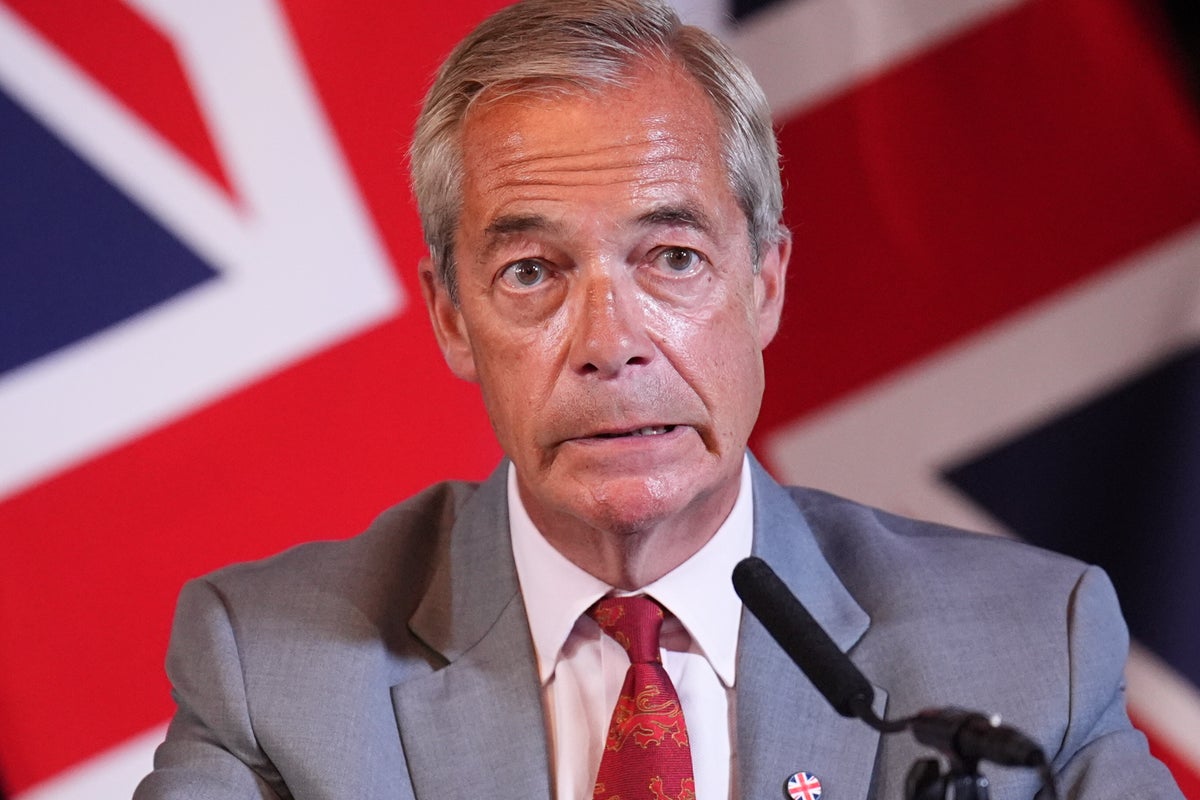
It feels rather ironic that the publication of the bombshell MRP poll by YouGov, which project the outcome of a general election if it were held today, was preceded by yet another spat between Reform UK leader Nigel Farage and Tory leader Kemi Badenoch.
Both were vexed over a tweet by Ms Badenoch which may or may not have contained a typo.
Mr Farage was upset that Ms Badenoch had tweeted that the row over a migrant camp in the village of Piddington was “not about immigration”. She claimed she had missed out the word “just”.
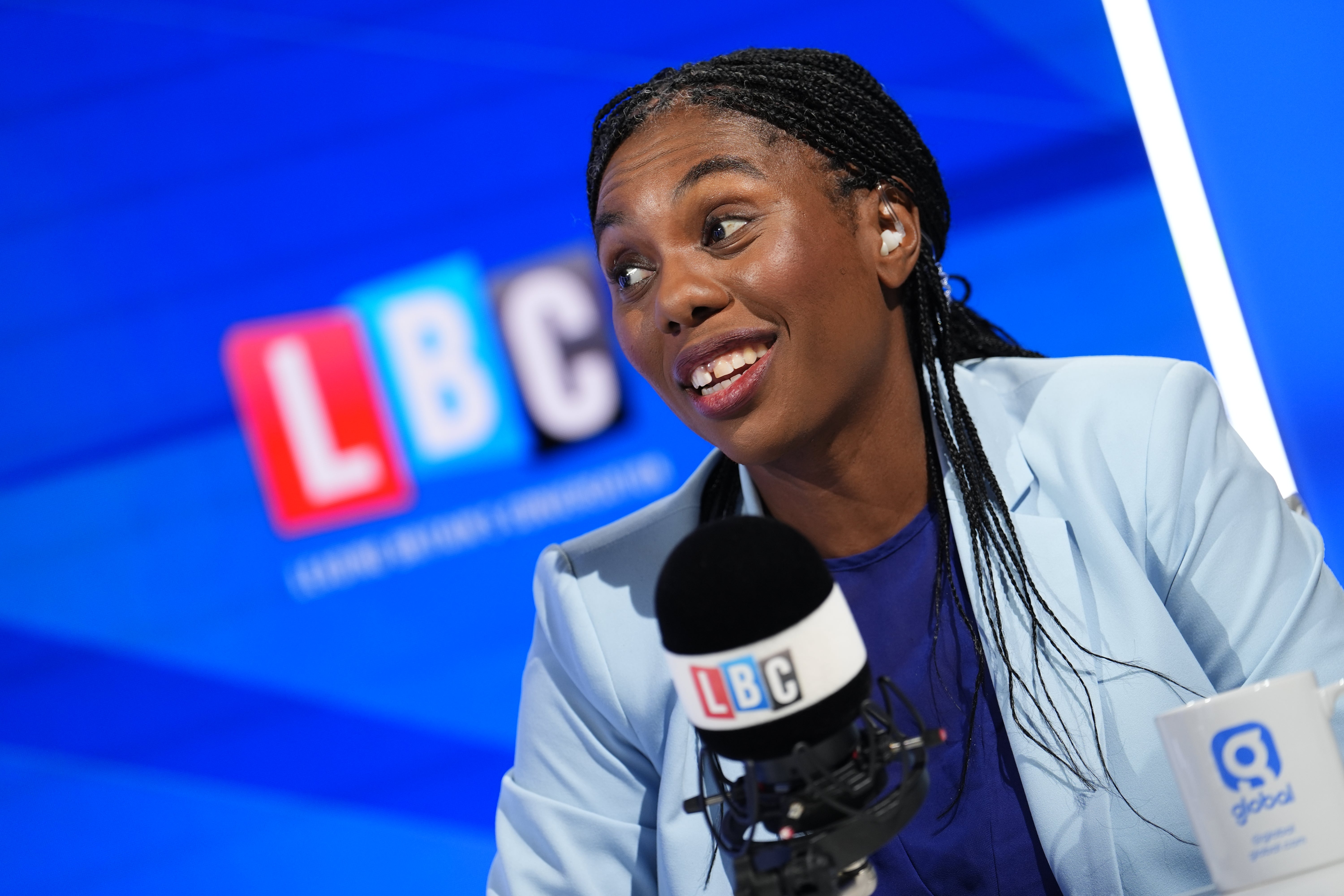
Yet, for all the airtime that received – Ms Badenoch actually went on to LBC to address the issue – and all the other minor spats over language and who did what when history, this latest poll has a clear message.
The right of centre, pro-Brexit parties in Britain are becoming increasingly irrelevant.
Neither party matters as much any more and both leaders would be “also rans” in a general election.
The figures speak for themselves.
While Labour would be the biggest party on 241 and unhappy about being a long way short of a majority, the combined total of the Conservatives on 130 and Reform on 123 barely surpasses it.
And remember that both the Tories and Reform have insisted they will not work with one another – so those figures cannot be considered as a combined 253 anyway.
With other centre left parties doing well – the Lib Dems on 71, SNP 40, Plaid Cymru 15, and the Greens on 9 – it is clear that the only route to government would be a centre left coalition or confidence and supply arrangement. That would be Labour plus the Lib Dems – plus one or more of the Greens or nationalist parties.
So for all the insults that Tory and Reform figures are trading with one another on social media, it is increasingly looking like the proverbial bald men fighting over a comb.
What is clear is that the fractious nature of British politics – and the left’s stronger grasp of tactical voting – is now benefiting parties of the left hugely, as well as being reflected in a larger combined share of the vote.
It is a long way from the previous YouGov MRP poll a year ago which had Reform in first place on 311 and the Tories reduced to a meager 45.
Things can change again, of course, but this YouGov MRP poll seems to underline the rapid decline of Reform in the polls. The scandals over donations, the lack of policies, the lack of strength in depth and the replacement by Labour of Keir Starmer with Andy Burnham has seen support for Mr Farage evaporate.
It is hard to see a way back for Reform given that other YouGov polling this week shows they are the party people most want to stop through tactical voting. Left-wing voters are even willing to vote Tory if they think it will stop Reform.
The emergence of a likely centre left coalition would, of course, mean significant changes for the UK.
Most of all, these are the parties which want to reverse Brexit and are likely to make it a priority. It is hard to see the Greens and Lib Dems agreeing to a deal with Labour unless Rejoin is on the table.
All these parties also support electoral reform to proportional representation. That is likely to be introduced – probably in the hope of locking the centre right parties out for good.
If Mr Burnham has to go to the SNP and Wales then independence referendums could even be possibilities.
Policy towards the Middle East will become anti-Israel, tax and spend will go up and there will be serious questions over defence spending.
If this MRP poll comes true it will usher in profound changes for Britain. But all the Tories and Reform will be able to do is blame each other from the sidelines.
KioskNews shows a cleaned-up reading view extracted from the publisher’s page — the original always lives on their site, not ours.