Too Many Cars, Too Few Buyers? Why Is China Winning Globally, But Losing Domestically
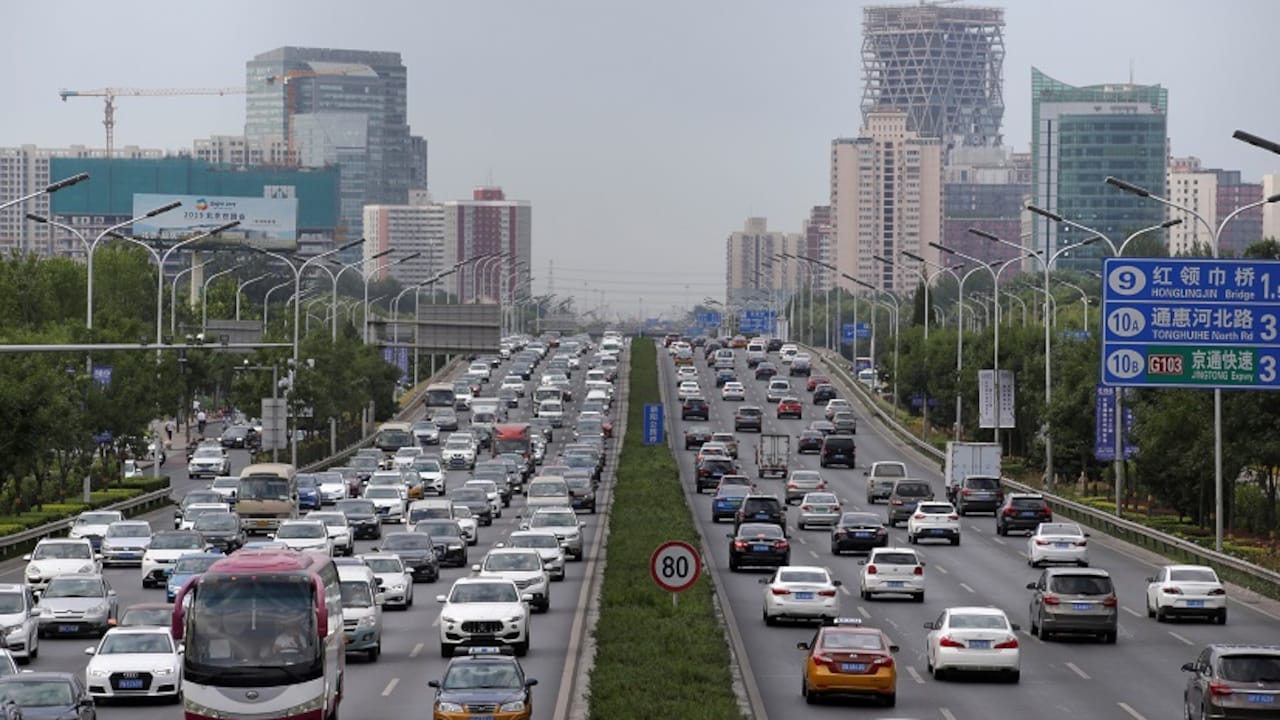
China has emerged as a global powerhouse in electric vehicles (EVs). Its carmakers are challenging established brands, introducing advanced battery technology and expanding rapidly into overseas markets. From Europe to Latin America, Chinese electric cars are finding buyers.
But behind this global success lies a problem at home. China's car industry is struggling with too many manufacturers, excess production capacity and an increasingly crowded domestic market. Carmakers are fighting for customers through aggressive price cuts, even as their profits come under pressure.
The contrast is becoming difficult to ignore. Companies that once raced to expand production are now struggling to sell enough vehicles to keep their factories running.
Also Read | Layoffs Are Rising In Tech, But These Skills Are Helping People Unlock Better Pay
A recent report by The Wall Street Journal highlighted the troubles facing China's automotive industry, pointing to manufacturers whose production ambitions have far outpaced actual sales.
The problem is not a lack of technology or manufacturing capability. China has some of the world's most advanced EV makers and battery companies. The bigger challenge is that the industry has expanded faster than domestic demand can absorb.
China's EV Makers Face A Crowded Home Market
For years, China's electric vehicle industry benefited from strong government support, investments and growing consumer demand. Local governments backed manufacturers, hoping to create industrial hubs and generate employment.
The strategy helped China build a formidable EV ecosystem. Companies such as BYD, NIO, Xiaomi and Geely have become important names in the global automotive industry.
However, the rush to enter the EV market also resulted in an explosion in the number of manufacturers. Several companies invested heavily in factories and production facilities, expecting demand to keep growing.
That assumption is now being tested.
With several manufacturers chasing the same customers, competition has intensified. Companies have increasingly relied on discounts to attract buyers. While this has made electric cars more affordable, it has also put pressure on margins.
The result is an industry where manufacturing capacity and actual demand are increasingly out of sync.
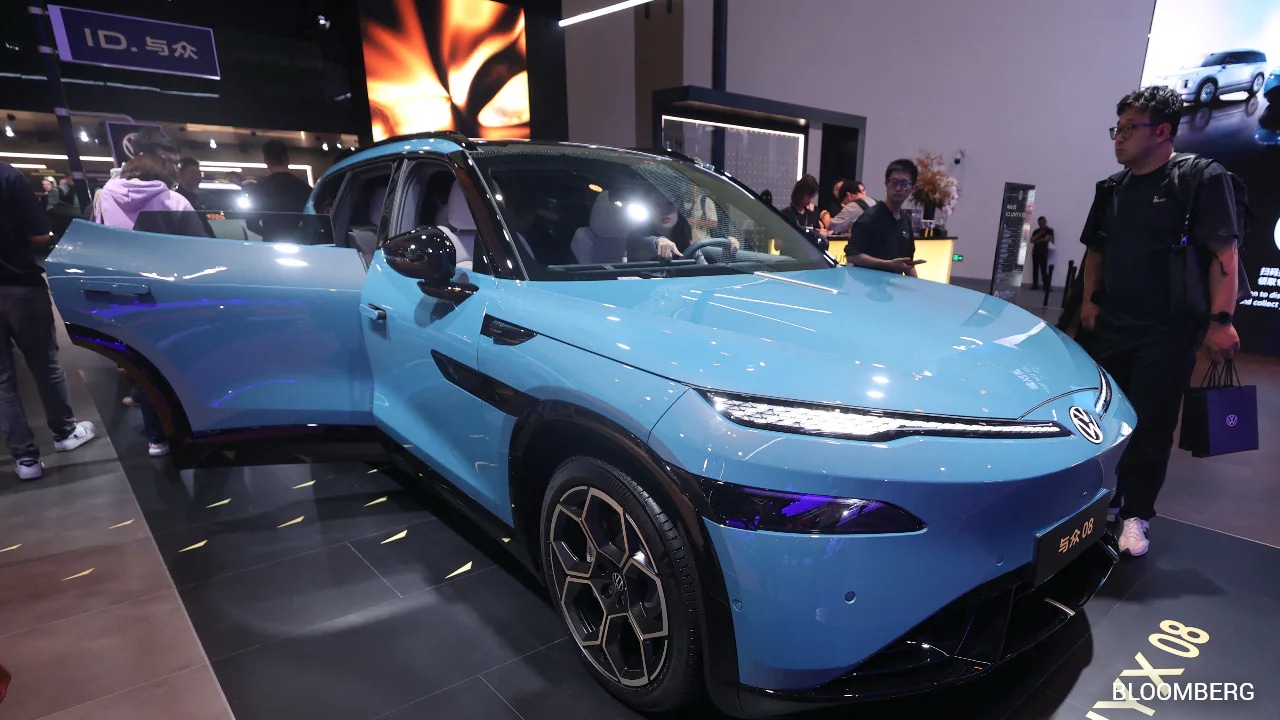
Why China's Car Industry Is Struggling
China's automotive market is dealing with a combination of challenges.
First, there are too many manufacturers competing for a limited pool of buyers. The entry of several EV brands has created intense competition, making it difficult for smaller companies to survive.
Second, the industry has invested heavily in production capacity. Building factories made sense when sales were growing rapidly. But when demand slows, those same facilities become expensive assets that manufacturers must keep running or risk incurring losses.
Third, aggressive pricing has made profitability harder to achieve. Carmakers are under pressure to offer attractive prices while continuing to invest in technology, research and development.
This creates a difficult cycle. Companies cut prices to protect market share, but lower prices squeeze profits. They then need higher sales volumes to compensate, adding to the pressure to expand.
For manufacturers that lack financial strength or a distinct product advantage, the situation can become particularly difficult.
Chinese Carmakers Look Overseas For Growth
With the domestic market becoming increasingly competitive, overseas markets are emerging as an important growth opportunity.
Chinese manufacturers are taking their products to Europe, Southeast Asia, Latin America and other regions. Their competitive pricing, technology and expanding product portfolios are helping them challenge established automakers.
However, this expansion is also creating pressure for traditional carmakers.
European manufacturers, in particular, face competition from Chinese companies that have developed large-scale manufacturing capabilities and can offer technologically advanced vehicles at competitive prices.
The growing presence of Chinese brands is forcing established automakers to rethink their pricing, product strategies and investments.
But exporting more vehicles is not necessarily a permanent solution. Overseas markets have their own regulatory requirements, trade barriers and established competitors. Manufacturers also need to build customer trust, distribution networks and after-sales service capabilities.
What China's EV Crisis Means For India
India and China are at different stages of EV adoption. Their infrastructure, consumer demand and automotive ecosystems are also different. Therefore, China's situation cannot be directly compared with India's.
However, the importance of balancing manufacturing capacity with actual demand is relevant to Indian companies looking to expand in the electric mobility space. Naveen Gupta, Founder and CEO of Trev Mobility, told NDTV that China's automotive market offers an important lesson for the global EV industry.
"Manufacturing scale and technological innovation alone do not guarantee long-term sustainability. As the market matures, the ability to balance production capacity with actual demand, maintain healthy economics and build lasting customer confidence becomes just as important as launching new products or expanding manufacturing," Gupta told NDTV.
He also pointed to the risks of relying on discounts and aggressive expansion to drive growth. "The intense price competition in China also highlights the risks of growth being driven primarily by discounts and aggressive expansion. While competition can accelerate innovation and make electric vehicles more accessible, prolonged price pressure can affect margins and make it difficult for companies to build sustainable businesses," he said.
According to Gupta, the companies that emerge stronger will be those that combine cost efficiency and product innovation with a clear understanding of customer needs.
India's EV Industry Needs To Avoid The Trap
India's electric mobility ecosystem is still evolving. The market has room to grow as charging infrastructure improves, more models become available and consumers become increasingly comfortable with electric vehicles.
But growth in vehicle sales alone should not be the only measure of success. Manufacturers also need to consider how frequently their vehicles will be used, the cost of ownership, charging availability, battery performance and after-sales support.
Gupta said Indian companies should focus on building for the demand that exists today while preparing for future growth. "This means aligning investments with actual usage, strengthening the supporting ecosystem and focusing on the total cost of operating and owning an EV, rather than looking at vehicle sales alone," he said.
KioskNews shows a cleaned-up reading view extracted from the publisher’s page — the original always lives on their site, not ours.