HBO's 3-Part Thriller Masterpiece Is Everything Westworld Should've Been


Ben Sherlock is a Tomatometer-approved film and TV critic who runs the massively underrated YouTube channel I Got Touched at the Cinema. Before working at Screen Rant, Ben wrote for Game Rant, Taste of Cinema, Comic Book Resources, and BabbleTop. He's also an indie filmmaker, a standup comedian, and an alumnus of the School of Rock.
The mystery box has become one of the most successful formats on television. The seminal, surrealist tales of The Prisoner and Twin Peaks had introduced a new way to make a TV show, by throwing the audience in at the deep end with countless questions, immersing them in a sinister conspiracy, and keeping them guessing from episode to episode. J.J. Abrams popularized this genre when he co-created Lost and filled a tropical island with polar bears and smoke monsters.
The success of Lost led to The OA, Manifest, Fringe, Yellowjackets, Severance, and many more. Some mystery-box shows have matched or even surpassed Lost and the genre’s other pioneers — Dark is the closest thing I’ve seen to a worthy successor to Twin Peaks (besides David Lynch’s own Twin Peaks: The Return, of course) — while others have fallen far short. Heroes, for example, had a great first season, but quickly went downhill from there.
It’s hard to stick the landing with a mystery-box show, because the questions are often a lot more intriguing and exciting than the answers we eventually get. It’s much more fun to get swept up in the mysteries of a show like Lost than it is to hear the anticlimactic explanations for everything.
HBO has taken a couple of cracks at its own Lost-style mystery-box show. Westworld took the daffy high-concept premise of Michael Crichton’s original B-movie — a futuristic Wild West theme park full of robot cowboys who become sentient and turn on the guests — and turned it into a lofty, philosophical treatise on artificial intelligence and the dangers of advanced technology. Like Heroes, it had a stellar first season, then went downhill. But that’s okay, because HBO already had the perfect mystery-box thriller under its belt. The Leftovers, from Lost’s own Damon Lindelof, is everything that Westworld should’ve been.
The Leftovers Is Much More Consistent Than Westworld
The first season of Westworld introduced us to a fascinating future, where the ultra-rich get to live out their fantasies in robot-infested theme parks, while the robots themselves slowly come to terms with their own sentience. It was the ultimate sci-fi spin on a classic upstairs-downstairs satire, contrasting the petty problems of the wealthy guests with the existential crises of their cybernetic slaves — it’s The White Lotus with cyborgs.
But after that first season, Westworld got so complex and convoluted, dealing with such heavy themes in such esoteric ways, that it ended up alienating casual viewers. The series sputtered out three more seasons, but it never lived up to the promise of being HBO’s next Game of Thrones-sized blockbuster hit.
Westworld creators Jonathan Nolan and Lisa Joy made all the same mistakes with Westworld that Lindelof had made with Lost. But when Lindelof made his own mystery-box show for HBO, he’d already learned from those mistakes. The Leftovers never got the viewership it deserved, but critics recognized it as one of the finest TV shows of the 21st century.
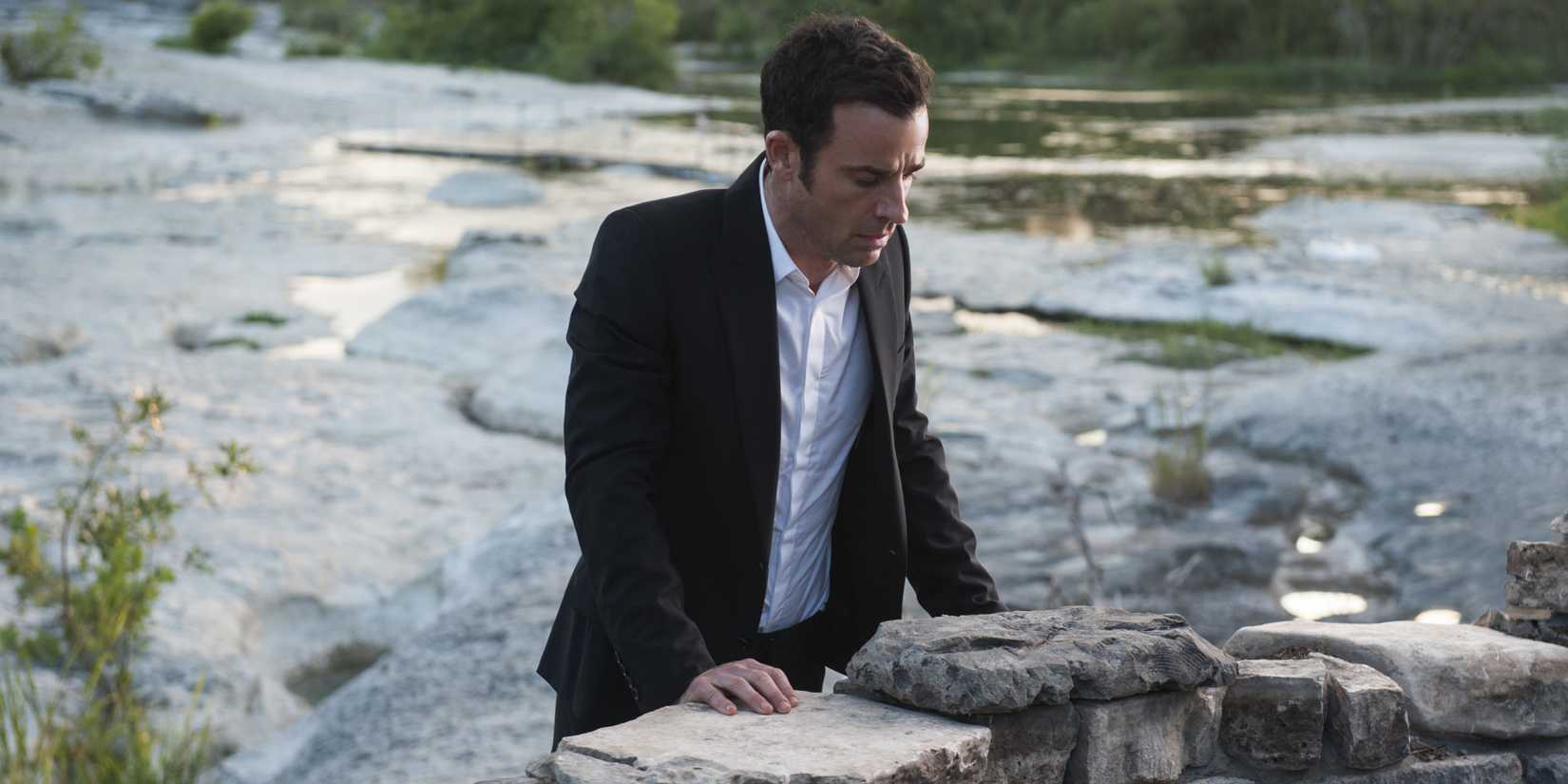
The Leftovers takes place in a world where 2% of the Earth’s population mysteriously vanished in an instant, and the remaining 98% were left scratching their heads. Neither science nor religion can rationalize “The Sudden Departure,” so the titular leftovers slip into a collective existential angst. It’s a wholly unique look at an apocalyptic event. The world looks more or less the same — it hasn’t been ravaged by a furious fungus like The Last of Us — but everyone inhabiting it is completely different. It’s more about the post-apocalyptic mindset than the spectacle of a post-apocalyptic wasteland.
The Leftovers did everything Westworld should’ve done. It was a consistent story with a beginning, middle, and end (even after it weathered early cancellation), and while the mysteries are thrilling, what keeps you coming back is the characters. That’s all you need from a mystery-box show.
KioskNews shows a cleaned-up reading view extracted from the publisher’s page — the original always lives on their site, not ours.