How ancient Chinese night watchmen patrolled streets, used ‘dripping buckets’ to tell time
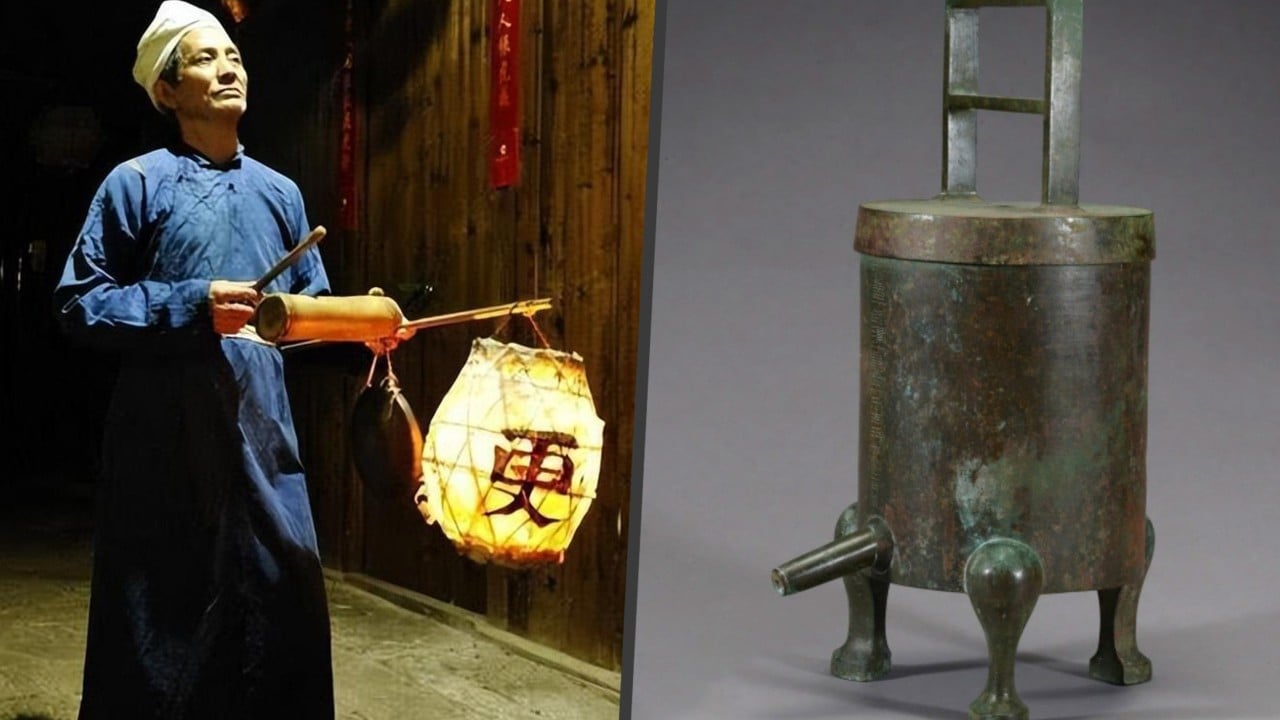
In ancient China, before the advent of mechanical clocks and digital devices, people relied mainly on night watchmen to keep time, prevent fires and maintain their daily routines. But how did the watchmen tell the time?
Chinese night watchmen mainly used two methods: clepsydras and incense sticks.
A clepsydra, also known as a water clock, measures time through the regulated flow of water from a vessel.
The ancient Chinese divided the night into five gengs. Each geng lasted around two hours, though the exact duration varied by season. The first geng usually ran from 7pm to 9pm, while the fifth and final geng ended around 5am.
The float-arrow clepsydra is said to have been the main timekeeping device used by Chinese night watchmen.
The float-arrow clepsydra is believed to have first appeared during the Han dynasty (202 BC–220). It worked through buoyancy: as the water level dropped, more of the floating arrow became visible above the water. The watchman could read the time from the marks on the arrow.
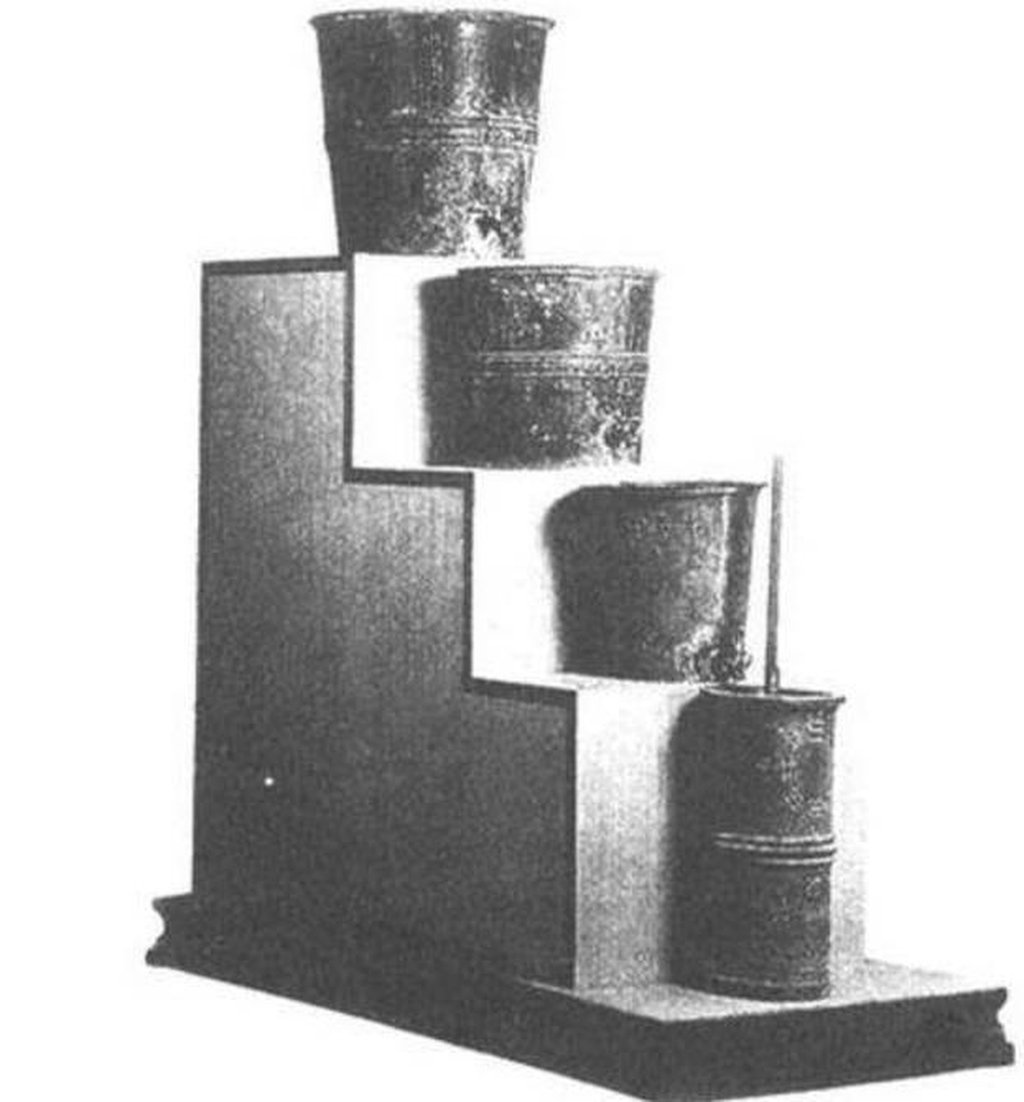
During the Tang and Song dynasties (618–1279), a more complicated version was developed, consisting of three dripping buckets. A single bucket might not provide an accurate measurement, because the arrow descended more slowly as the water level fell. In the three-bucket system, the middle bucket remained full, making the flow of water from the bottom bucket more consistent.
Clepsydras were also made from different materials in ancient times. Those used in the royal palace were made of gold, silver and jade.
Many people were specially assigned to manage timekeeping in the royal court. According to the Old Book of Tang, a classic historical work about the Tang dynasty, nearly 400 people in the imperial city tended the elaborate dripping buckets.
Their duties included replenishing the buckets, observing the time shown on the arrow and reporting it to the night watchmen.
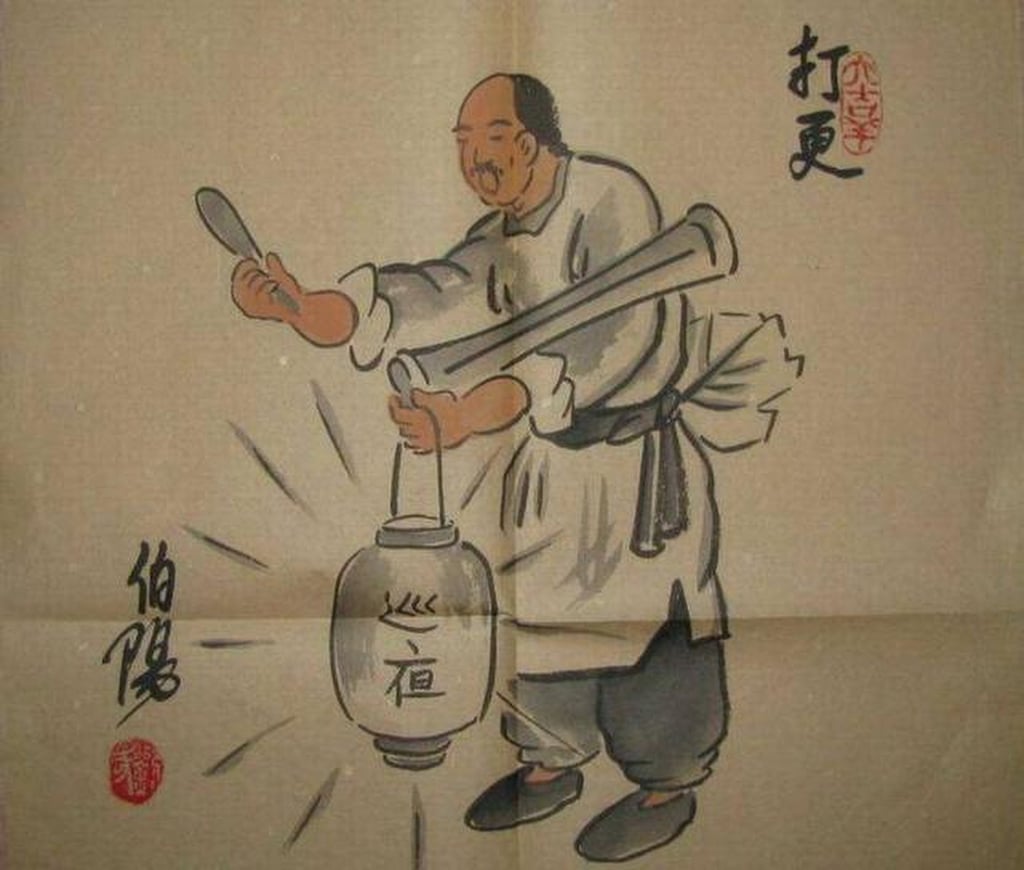
The watchmen would then strike a wooden clapper or gong as they patrolled the streets, announcing the time to residents in the neighbourhood.
Alongside the clepsydra, night watchmen also used another traditional timekeeping method: burning incense sticks.
Incense-based timekeeping began during the Northern and Southern dynasties (386–589).
Time measured by incense was less accurate than time measured by dripping buckets, because how long an incense stick took to burn depended on its material and the surrounding environment.
Thus, although “the time it took to burn an incense stick” was a commonly used unit of time, much like today’s hour or minute, it was not standardised across all incense sticks. A stick could burn for anywhere from 15 minutes to an hour.
According to Chen’s Incense Manual, in 1073, when a severe drought struck the region south of the Yangtze River and prevented clepsydras from working, an official named Shen Li invented a set of timekeeping tools called the five geng incense counter.
KioskNews shows a cleaned-up reading view extracted from the publisher’s page — the original always lives on their site, not ours.