Mexico has delivered less than 1% of the water it owes to the US as border dams run low
Despite recent agreements to resolve the situation, Mexico continues to have problems meeting its water-delivery commitments to the United States, having covered only 0.36% of the deficit it accumulated during the 2020–2025 water-sharing period.
According to the U.S. section of the International Boundary and Water Commission (IBWC), as of Oct. 24, Mexico this year had delivered only 3,159 acre-feet of the 865,139 acre-feet it owes from coming up short in the previous five-year period. It has until 2030 to pay off the rest, during which period it is also obligated to send north 350,000 acre-feet per year to meet its current obligations for the 2025-2030 period, which will total 1,750,000 acre feet.
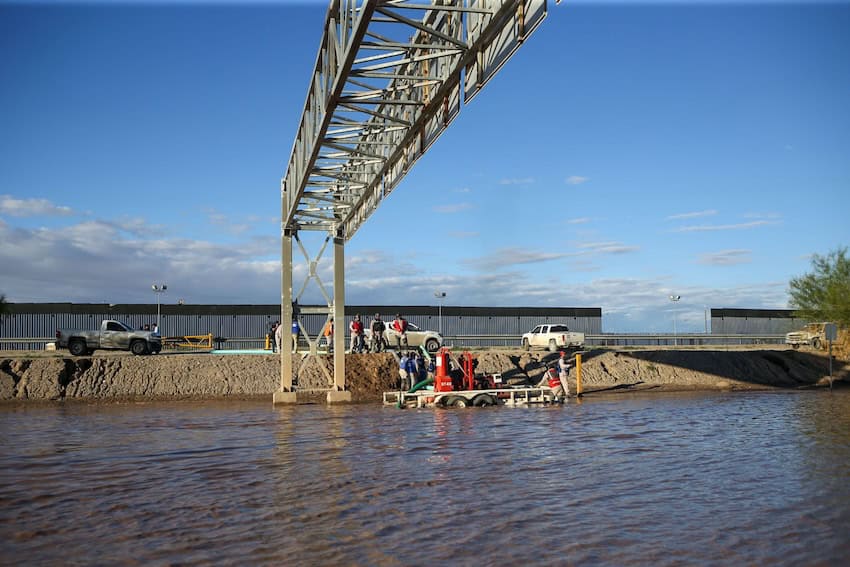
Mexico and the U.S. share water from the Río Bravo under the terms set out in a 1944 water treaty that establishes that Mexico must deliver to the U.S. a minimum of 350,000 acre-feet of water every year. But Mexico concluded the five-year cycle spanning Oct. 25, 2020 – Oct. 24, 2025, delivering only 884,861 acre-feet, resulting in a deficit of 865,139 acre-feet owed to the U.S.
In October, the two countries signed onto a plan that was meant to ease repayment with both agreeing to use less water from the Río Bravo (called the Rio Grande in the U.S). But compliance continues to drag.
A major factor hampering Mexico’s water delivery commitments has to do with reduced reserves, as international border dams La Amistad and Falcon remain at less than 30% capacity.
According to data from the Mexico section of the IBWC, as of Oct. 26, La Amistad dam, located on the Río Bravo along the border of Coahuila with Texas, stood at 28% of its capacity. Meanwhile, Falcon, located along the border of Tamaulipas and Texas, was at 17%.
Water deliveries from Mexico are stored in those dams.

Roberto Constantino, a researcher at the Metropolitan Autonomous University (UAM), told the newspaper El Economista that reduced availability in the Río Bravo and Colorado River basins threatens both compliance with binational agreements and the water supply on both sides of the border.
The expert suggested that the 1944 Water Treaty should be revised to better reflect current environmental conditions. However, he noted that bilateral tensions and the trade agenda make this an inopportune time to initiate such negotiations.
KioskNews shows a cleaned-up reading view extracted from the publisher’s page — the original always lives on their site, not ours.