To plug winter evening shortage, 6 states seek extra power via short-term tenders
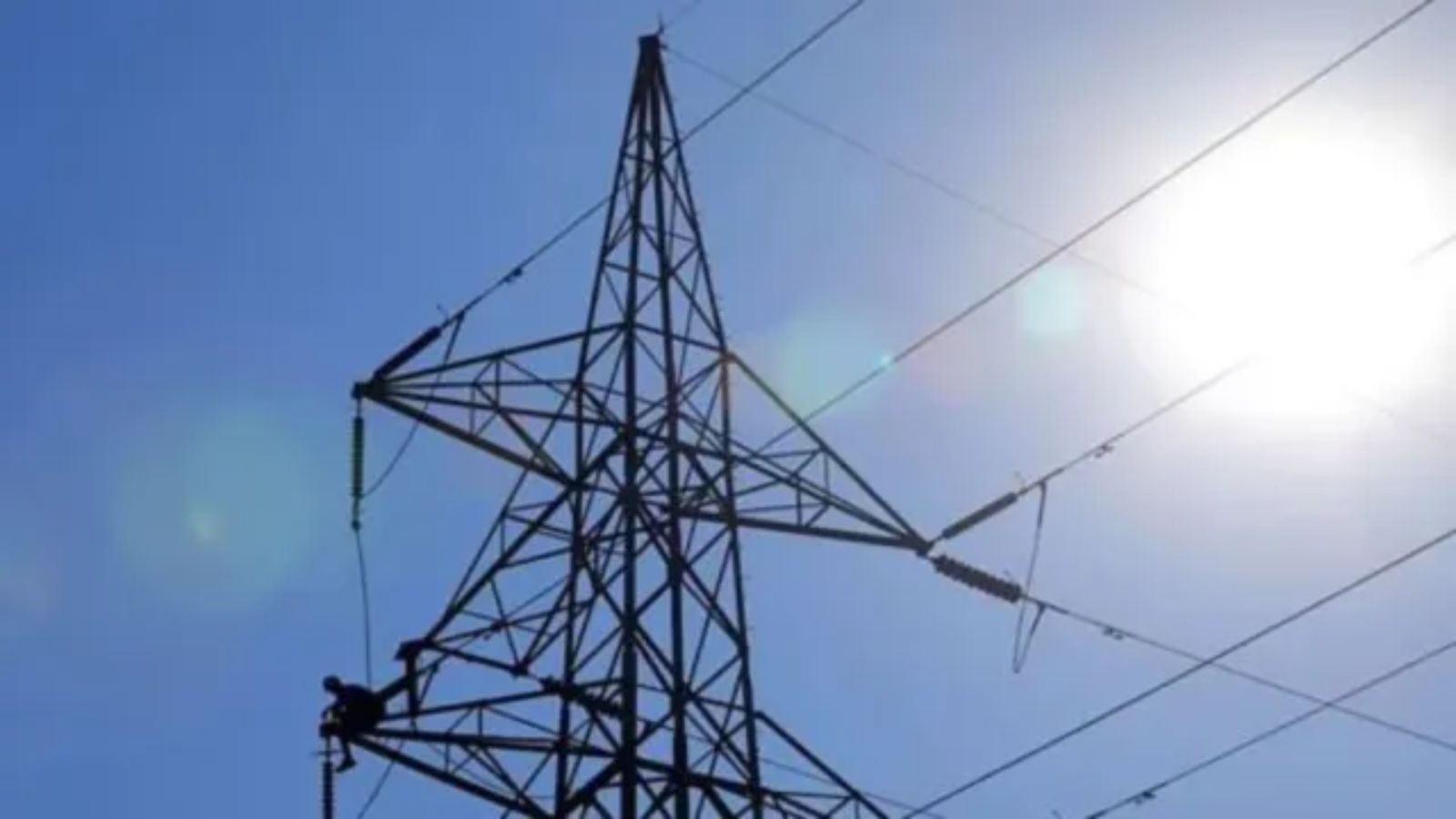
Amid rising electricity demand and unusual weather patterns, at least six states have turned to short-term tenders to secure additional power for the coming months to guard against potential shortages, especially during the evening hours.
Gujarat, Rajasthan, Maharashtra, Madhya Pradesh, Tamil Nadu and Keralam have sought additional supplies for November and December at prices ranging from Rs 8.99 to Rs 41.50 per unit (kWh), according to data sourced from the Ministry of Power’s DEEP (Discovery of Efficient Electricity Price) portal.
Some states, including Gujarat, Delhi, Tamil Nadu, Madhya Pradesh and Maharashtra, have also floated tenders to procure additional power for January, February, March and even April-May next year, the data shows. However, most states have not been unable to procure the full quantum of power they had sought, despite their willingness to pay higher prices.
These procurements are over and above the power that states are entitled to draw under their existing power purchase agreements (PPAs) with generating companies. Industry insiders said most of the tenders are for round-the-clock (RTC) or peak-hour power.
This comes as India is struggling to meet electricity demand during evening peak hours, when solar generation falls and the limited battery storage capacity constrains the availability of power generated during the day. The evening power shortfall reached as high as 5.8 GW (giga watts) in October.
Industry insiders said the surge in short-term power procurement this year needs to be seen in the context of unusual weather conditions linked to
El Niño, higher irrigation demand and increased industrial activity.
Story continues below this ad
“When demand forecasts become uncertain, it becomes difficult to predict how much power will be needed. There is also the festival season for another month or so, followed by Christmas and other seasonal demand. Utilities need to have these kinds of backups available, which is why we are seeing this flurry of activity this year,” an industry insider said.
Explained
Behind the rising demand
The surge in short-term power procurement this year is being linked to unusual weather conditions, higher irrigation demand and increased industrial activity. There is a struggle to meet electricity demand during evening peak hours, when solar generation falls and the limited battery storage capacity limits the availability of power generated during the day.
While distribution utilities typically secure a substantial share of their electricity requirements through long-term PPAs, which can span 25 years, they meet additional or short-term requirements through power exchanges and competitive bidding for short-term contracts.
Unlike exchanges, where the quantity procured depends on available sell bids and market conditions, short-term tenders allow utilities to contract power for specified quantities and periods, providing greater certainty of supply once a contract is awarded.
TN buying at highest prices
Among the states, Tamil Nadu is procuring power at the highest prices, with rates reaching Rs 41.50 per unit. The state had recently drawn attention for procuring electricity at Rs 37 per unit for October.
Story continues below this ad
For November, Tamil Nadu floated a tender for 1,000 Megawatts (MW) but has allotted only 377 MW. Of this, 20 MW was allotted at Rs 35 per unit and 357 MW at Rs 37.50 per unit.
For December, the state has allotted 401 MW against its requirement of 1,000 MW, comprising 40 MW at Rs 35 per unit and 361 MW at Rs 41.50 per unit, data from DEEP portal shows.
Similarly, Keralam floated tenders for around 1800 MW for November but has allotted only 270 MW. The prices varied widely, from Rs 9.30 per unit for 100 MW and Rs 10 per unit for 105 MW to Rs 12.50 per unit for 40 MW and Rs 19 per unit for 25 MW, the data shows.
For December, Keralam has allotted 655 MW against tenders for around 2,100 MW. The prices range from Rs 9.30 per unit for 100 MW and Rs 9.95 per unit for 240 MW to Rs 9.99 per unit for another 240 MW, Rs 10.99 per unit for 25 MW, Rs 12.50 per unit for 25 MW and Rs 14.99 per unit for 25 MW.
Most states failed to procure full quantum
Story continues below this ad
According to data available on the DEEP portal, Rajasthan has floated tenders to procure 1,500 MW of power for November but has allotted only 85 MW, at prices ranging from Rs 9.49 to Rs 9.99 per unit. For December, the state has floated tenders for around 2,000 MW, of which 95 MW has been allotted. Of this, 65 MW has been allotted at Rs 9.49 to Rs 9.99 per unit, while the remaining 30 MW has been priced at Rs 20 per unit, the data shows.
Similarly, Gujarat has floated two tenders for 1,000 MW each for November, one covering November 1-15 and the other November 16-30. For each period, the state has allotted 100 MW at prices ranging from Rs 8.99 to Rs 10 per unit. For December, Gujarat has allotted 675 MW of the 1,000 MW it sought, at prices ranging from Rs 8.55 to Rs 8.99 per unit, the data shows.
Maharashtra, meanwhile, has not allotted any power against its 500 MW tender for November. For December, it has allotted 50 MW against a tender for 500 MW, at a price of Rs 9 per unit, the data shows.
Madhya Pradesh floated a tender for 800 MW for the period from November 20 to February 15 next year and has allotted the entire quantity at prices ranging from Rs 3.99 to Rs 5.50 per unit.
KioskNews shows a cleaned-up reading view extracted from the publisher’s page — the original always lives on their site, not ours.