‘I was home alone when the glacier collapsed. My mum called and told me to run’ – This is climate breakdown

-
Location: Bidur, Nepal
-
Disaster: Floods, 2026
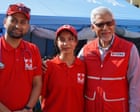
Isha Remal is a 17-year-old volunteer for the Red Cross Society in Bidur, Nepal. This summer, her family was caught up in the floods that crashed through the country after a glacier collapsed – an event made more likely by climate change
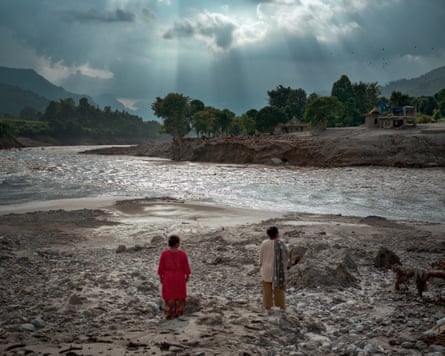
From the roof of our home we can see the Himalayan goddesses. That is what the mountains mean to us: they are goddesses. I grew up here in Bidur, Nuwakot, two hours from Kathmandu. It is a beautiful place with a perfect climate. Or so I used to think, before the Bhotekoshi flood waters from the glacier collapse tore down the Trishuli River, destroyed many homes and killed some of my friends.
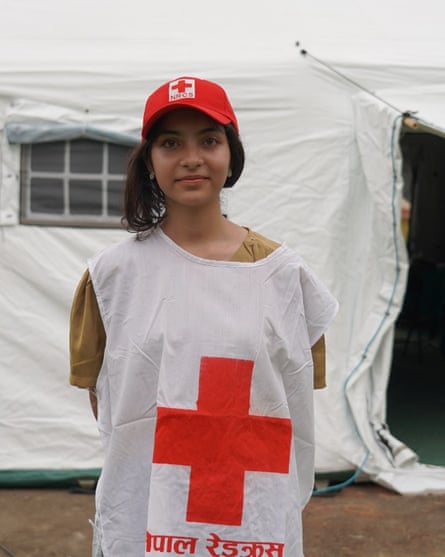
It changed my life. Until then I had planned to study in the US and become a neuroscientist. But now I want to stay here, train as a medical doctor and help my people.
I thought it was an earthquake at first. The house was shaking. My bed was shaking.
I was alone at home. My younger brother and sister were at school, but I was sleeping in because I’d just graduated. At about 9am I got a call from my mum. She told me to come as fast as I could to the college where she worked. She didn’t say why, but she sounded worried. So I got out of bed, locked the house and left as fast as I could. I only had 10% power on my phone.
It is a 10-minute walk from my home to the college. My mum had told me to hurry, so I ran. Everyone was in a hurry and running. Many were going down towards the river – the opposite direction from me. I remember a strange smell.
I didn’t talk to anyone, so I didn’t know what was happening. All that was going through my head was trying to guess why mum had called me. She had never done that before, not while she was at work.
I never imagined the threat could come from the river. That’s also 10 minutes’ walk from my home. My friends and I used to go there as children. People would bathe there. We live among rivers. They had never been something to be scared of.
When I reached the college, I found my mum. She had been informed about the flood. We never imagined it could be so big. Everybody was chattering; there were rumours that all the buildings had collapsed. Mum started crying. She said my brother and sister’s school had been affected, and she hadn’t been able to reach them.
It is difficult for me to remember all my frightened feelings at that time. We didn’t know if we were safe. We learned the bridge had been washed away, so there was no way to go to the other side. There were rumours of more floods. And my brother and sister were missing.
We had no way of knowing where they had gone. Police had turned up at their school in Bidur and told the students to flee. Teachers packed as many as they could in the school bus, but there was only one bus and hundreds of students. The others were just told to run as fast as they could. We asked a relative to look for them on a motorbike. He found my sister. But my brother took more time. He had hitched a lift with some foreigners and reached very high ground. We were crying with worry, and it turned out he had been eating ice-cream!
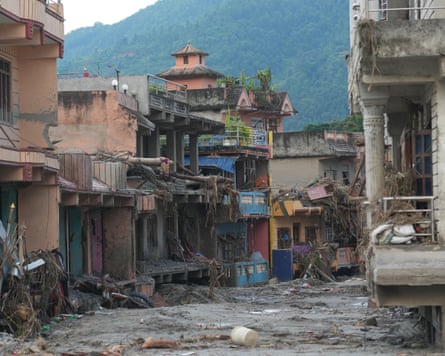
When the river calmed, we went home. But everything was chaotic. The flood had knocked out two hydropower plants. The phone signals in many areas were down, and there was no electricity. The fans and air conditioning didn’t work, so it was too hot to sleep at night. There was also so much noise from the rescue helicopters.
It has been traumatic. Many died. One of my childhood friends was killed. Others lost their homes. After a while, the bodies of dead people and animals started to smell. Many people are psychologically affected by what happened, by seeing the collapsed homes. My brother and sister were so scared that we sent them to Kathmandu for four days.
Two days later, we had another flood. I don’t think anyone reported it. From then on, there were constant rumours about other floods. And fake alerts, even at 2am. These made people evacuate, and some homes were robbed.
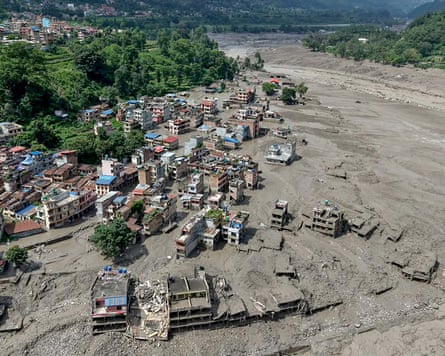
I didn’t dare visit the disaster area for many weeks. When I finally got the courage, I was shocked to see that places in Devighat I used to visit were gone. A temple where I had worshipped, gardens where our family had spent happy times together, markets where we used to shop, all gone. All those memories, gone.
I volunteered for the Red Cross. At first I worked for 30 days in the pharmacy of the emergency clinic. With the local bridge broken, many community members were left stranded and unable to reach Trishuli hospital for urgent care. As a volunteer, I’ve been on the ground assisting our pharmacists with medical inventory, listing treatments and dispensing free medicine directly to those in need.
Seeing people leave our clinic relieved, happy and deeply grateful to the Red Cross for providing what they needed most during this disaster has been the most rewarding experience.
After that, I trained with the sanitation team and learned how to advise people to wash their hands and use water purification tablets. This was important, because many water sources were contaminated.
In some areas the need is still very great. There were many NGOs here immediately after the flood, but most of them have gone. I guess there was no way for them to leave enough for everyone for a lifetime. But many didn’t even provide for five months.
I will continue volunteering until the end of December, then I will go to Kathmandu to study for my entrance exam for medical school.
My thinking has changed. I used to think that life was sorted, and now I have seen how quickly people can be affected. I used to want to be a neuroscientist and have fun in New York, but after seeing the doctors in the clinic I want to help people like they do. I love that. Now I feel happy to stay here and distribute medical treatment. It makes me feel happy when people thank me for doing that. I realise now that I don’t want to leave my country. I want to be here. I want to be a good doctor.
But we must change things. I still love mountains, but now I think people must be more respectful of mountains. We should not treat the climate as a big joke. We shouldn’t mess with it. The Bhotekoshi flood proved that climate change does not respect borders. While our nation contributes almost nothing to global emissions, our people are left rebuilding their lives inside cracked and damaged walls. I think other countries should take more responsibility, but we cannot be negligent here. This is a sign. We need to take the climate as a serious issue. Everyone around the world should do what they can. I am not asking for donations for Nepal; I am asking that everyone minimise the way they are affecting us. If we continue to ignore the melting Himalayas today, the consequences will flow down to everyone’s doorstep tomorrow.
KioskNews shows a cleaned-up reading view extracted from the publisher’s page — the original always lives on their site, not ours.