Is it true that … muscle turns into fat if you stop working out?
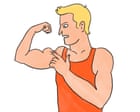
‘This is not true,” says Prof Leigh Breen, a specialist in muscle physiology at the University of Leicester. But it’s a statement he hears a lot, particularly from people who have taken a long break from exercise. “They’ll often refer to the notion that their muscles have ‘softened’ or don’t feel as toned.”
The reality is that there’s no biochemistry linking the two types of tissue. Muscle and fat are distinct. “There’s no known process in the human body that would support muscle turning into fat, or vice versa,” says Breen.
He thinks the confusion comes from what happens when we stop exercising – particularly resistance training. We may begin to lose some of the muscle we built through training. And if we continue eating the same amount while exercising less, we may end up with an energy surplus, which can lead to an increase in body fat.
after newsletter promotion
“This combination of a reduction in muscle mass and potentially an increase in fat mass can give the impression that one is turning into the other,” he says. “Which isn’t the case.”
If you take a couple of weeks off your usual training routine but remain relatively active, you’re likely to see fewer changes than if you are completely immobilised for an extended period because of an injury.
What we eat during an exercise break can also influence how much muscle and fat mass we gain or lose. Breen recommends keeping protein intake high while slightly reducing calorie intake.
Ultimately, our bodies are constantly changing, and small fluctuations in muscle and fat mass during breaks in our training are generally normal. “Slight fluctuations are generally nothing to worry about, as long as over the course of months and years consistent exercise and dietary habits have been maintained,” says Breen.
KioskNews shows a cleaned-up reading view extracted from the publisher’s page — the original always lives on their site, not ours.