Netflix's 45-Episode Sci-Fi Masterpiece Is One Of The Rare Shows You Can Watch In Any Order

Cathal Gunning has been writing about movies, television, culture, and politics online and in print since 2017. He worked as a Senior Editor in Adbusters Media Foundation from 2018-2019 and wrote for WhatCulture in early 2020. He has been a Senior Features Writer for ScreenRant since 2020.
Sign in to your ScreenRant account
While a lot of sci-fi shows require a significant amount of dedication from viewers, one Netflix masterpiece in the genre is a rare series that viewers can start from any episode. Although Prime Video’s sci-fi masterpiece The Expanse is one of the best sci-fi TV shows ever made, that doesn’t make the six-season series easy to recommend. Like The Wire, Game of Thrones, and many other acclaimed shows, The Expanse requires a lot of close attention from viewers.
Much like the multi-season story of The X-Files makes the original show’s story much more than a collection of episodic monster-of-the-week outings, The Expanse’s immersive fictional world only expands further with each new episode and season. Like The Wire and every series in HBO’s Game of Thrones franchise, the show benefits from sustained, close attention from viewers, who follow each subplot to see how they ultimately connect as the series continues.
While this approach resulted in some of the most acclaimed TV shows ever made across a variety of genres, it isn’t appealing to every viewer. There are plenty of TV fans who want a show they can dip into from any given episode without worrying about serialized story arcs. For these viewers, especially those who are searching for critically acclaimed sci-fi, Netflix’s Love, Death & Robots is a must-watch masterpiece.
Love, Death & Robots Is A Netflix Anthology With Wildly Different Stories

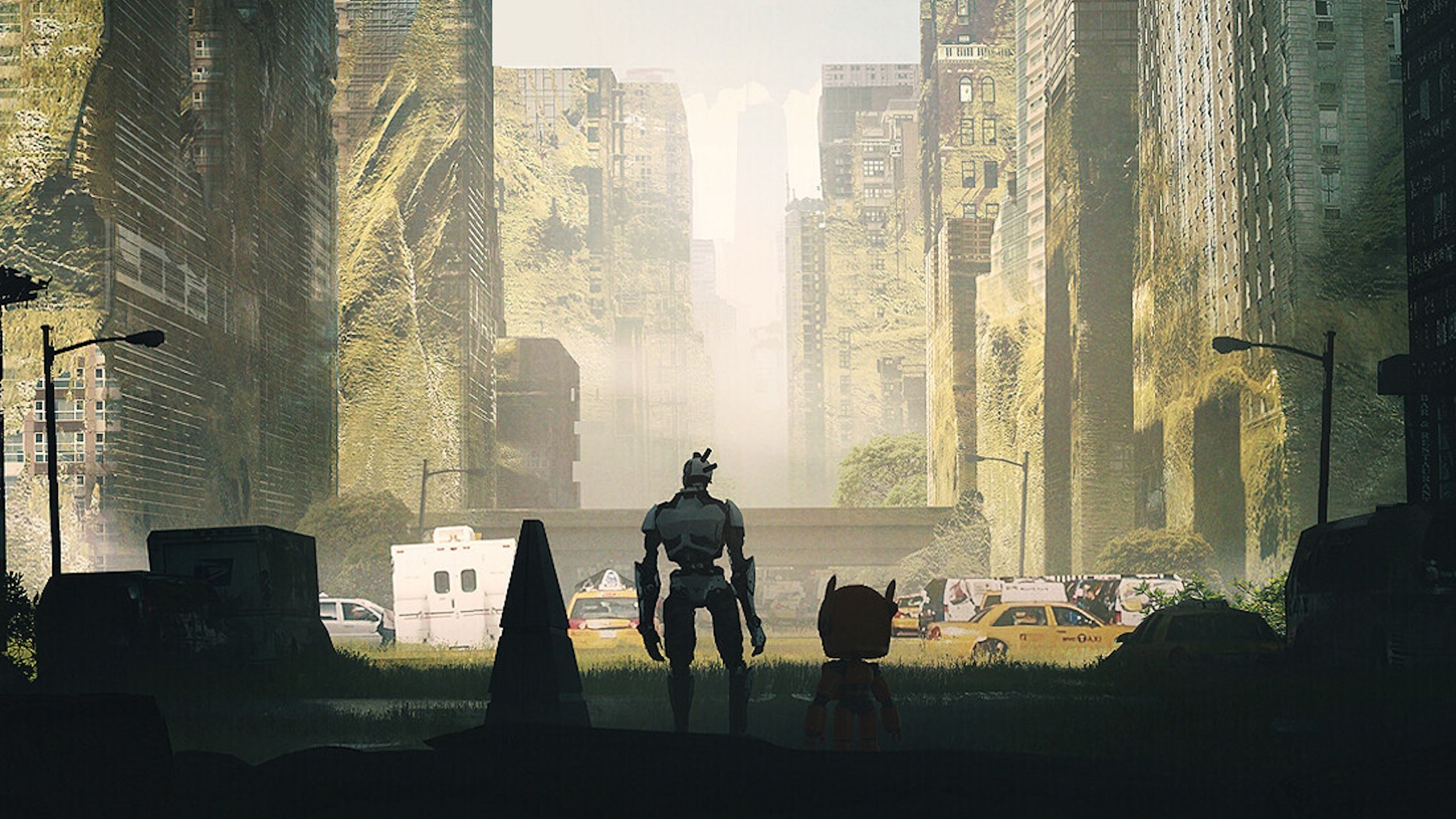
Debuting in 2019, Love, Death & Robots is the brain child of Deadpool director Tim Miller and executive producer David Fincher. With four seasons to date and a total of 45 episodes, Love, Death & Robots is a sci-fi anthology show with a difference. The series is animated, and its episodes run between six and 21 minutes in length, but each episode focuses on new characters, comes from a different production team, and features an entire unique animation style.
Netflix even tested having the episodes appear in random order, since the point of Love, Death & Robots as a series is that it can be watched in any order. While one lone episode is admittedly a sequel to an earlier outing, every other episode of the show tells an original standalone story. This gives Love, Death & Robots the creative freedom to blend dark comedy, psychological horror, fast-paced action, and various styles of sci-fi and fantasy in each episode.
With no specific tone, style, or even singular genre to shape its stories, the Netflix anthology show is free to take every episode in a fresh, original direction that keeps viewers guessing. The sheer tonal diversity of Love, Death & Robots was perfectly epitomized early on in 2019’s season 1, where episode 6, “When the Yoghurt Took Over,” was a silly, self-aware spoof of campy old-fashioned monster movies from the ‘50s.
Love, Death & Robots’ Anthology Approach Is Its Greatest Strength

This absurd one-joke episode was a charming and hilarious diversion which left viewers of Love, Death & Robots completely unprepared for episode 7, "Beyond the Aquila Rift.” Based on a story by the Welsh sci-fi writer Alastair Reynolds, this gripping, unsettling, and ultimately profound ruination on themes of isolation, deception, and connection was as horrifying as it was unexpectedly moving.
Most shows would be lucky to have one episode per season as memorable as either of these outings, because most shows need to pay attention to things like maintaining a consistent tone and visual style as well as ensuring their plots progress and their characters feel consistent. Shorn of these concerns, Love, Death & Robots is free to experiment, and experiment the show does.
Even compared to other successful recent anthology shows like Shudder’s Creepshow reboot, Love, Death & Robots feels like a breath of fresh air thanks to its unpredictable nature. The stunning animation, which changes with every episode of Love, Death & Robots, doesn’t hurt either.
- Release Date
- 2019 - 2025-00-00
- Network
- Netflix
- Directors
- Víctor Maldonado, Patrick Osborne, Robert Valley, Alfredo Torres Martínez, Jerome Chen, Emily Dean, Rémi Kozyra, Léon Bérelle, Dominique Boidin, Alberto Mielgo, Maxime Luère, Andy Lyon, Robert Bisi, Dave Wilson, David Nicolas, Simon Otto, Damian Nenow, Laurent Nicolas, Kevin Van Der Meiren, Vitaliy Shushko, Owen Sullivan, István Zorkóczy, Javier Recio Gracia, Oliver Thomas
- Writers
- Tim Miller, Philip Gelatt
KioskNews shows a cleaned-up reading view extracted from the publisher’s page — the original always lives on their site, not ours.