Instead of a lump sum EPF withdrawal, how an automatic annuity with opt-out option could work for Malaysians
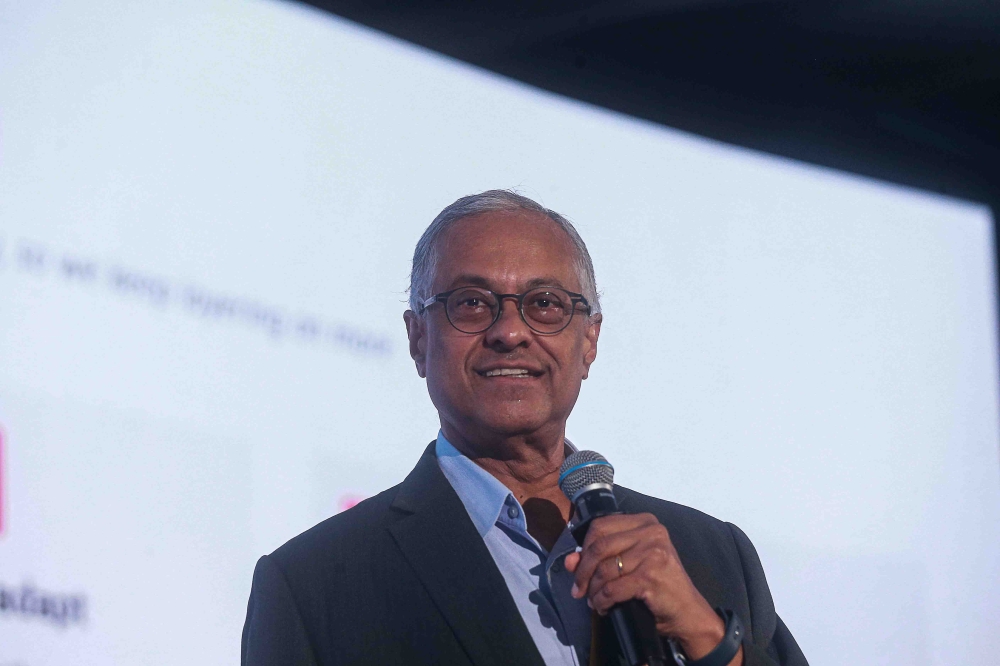

Licensed financial planner Rajen Devadason said there could be several ways to channel some of EPF members’ EPF savings into an annuity for their later years. — Picture by Sayuti Zainudin
By Ida Lim
First Published: Thursday, 22 Oct 2026 7:00 AM MYT
KUALA LUMPUR, Oct 22 — Licensed financial planner Rajen Devadason said an insurance annuity scheme like Singapore’s CPF LIFE could also work in Malaysia.
He explained that if the government gives a long runway, and make it politically more palatable by giving people a chance to opt out, a similar scheme may be acceptable.
He was speaking to Malay Mail at the sidelines of the recent Employees Provident Fund’s (EPF) International Social Wellbeing Conference 2026 (ISWC 2026).
Rajen said there might be the risk of a political backlash if access or withdrawals from EPF savings at ages 50, 55 and 60 is changed so one possibility is to keep the same withdrawal rules while using a small portion of EPF savings for an annuity.
“But if let’s say you increase your retirement age to 65 and you don’t change the withdrawal parameters at 50, 55, and 60, people are cool, no problems.
“But if you then give people the opportunity to work longer, that funding between 60 and 65, if all of that flowed into an annuity, that might work, might help,” he added.
Rajen believes something like an annuity insurance would be a “step in the right direction” for Malaysia, based on global experience.
“But by itself, it’s not enough. People must take personal responsibility. They have to build their own private pensions,” he said, adding that this should run in parallel with working longer.
“The whole purpose of working longer is that you can build a higher pile of retirement savings,” he said, also saying these funds should be used as capital to create multiple streams of passive income for retirement.
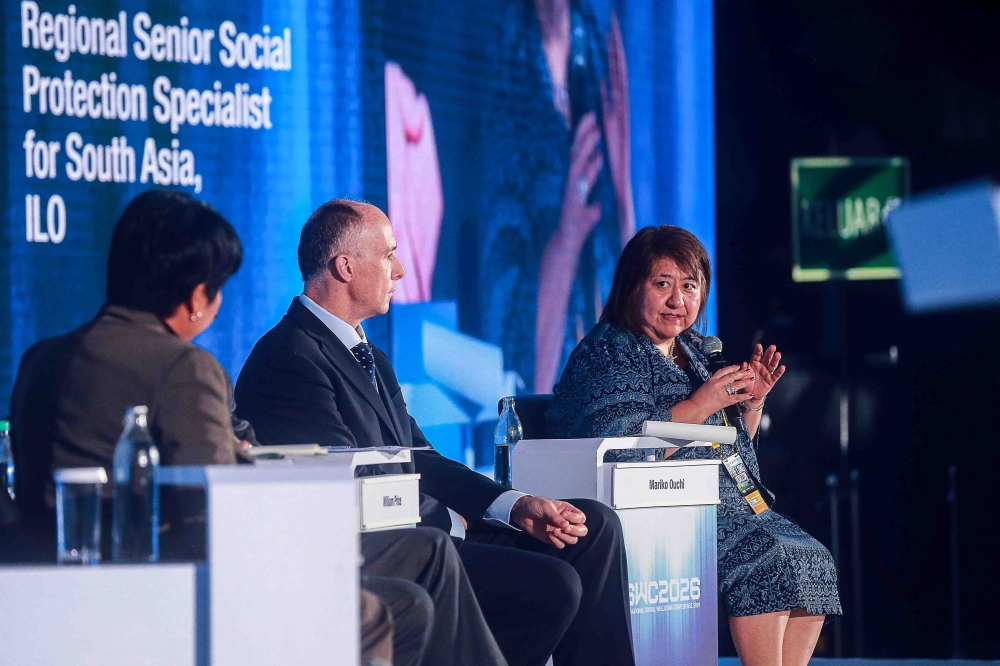
ILO senior social protection specialist Mariko Ouchi said different countries have different problems which means they would need their own pension solutions. — Picture by Sayuti Zainudin
No ‘one size fits all’ when designing retirement or pension systems
International Labour Organisation’s (ILO) senior social protection specialist for South Asia Mariko Ouchi said there is no “one perfect model” or “one fit for all” pension model in the world.
“Many people ask me what is the best model or good practice in terms of pension and old-age benefit in the world. And then I answer, all countries are having problems in one way or another. So, there is no ‘one perfect model’ as such,” she said in her presentation at the ISWC 2026.
She said each country will have to find solutions best suited to their different circumstances: “Malaysia has to seek its own solution to provide the best income guarantee for the elderly people.”
Ouchi said countries go through many changes, such as the different work nature including international jobs done remotely; migration; demography; higher life expectancies; higher retirement ages; and higher pension access ages.
She added it is important for countries to carry out periodic reviews or periodic actuarial evaluation on a country’s old-age benefit model (such as every three years or every five years) depending on the country and its system’s stability.
Countries also need to carry out a mid-term to long-term revisiting of their existing pension models, to see if it could continue running for decades unchanged or if substantial reforms are needed, Ouchi explained.
Recommended reading:
KioskNews shows a cleaned-up reading view extracted from the publisher’s page — the original always lives on their site, not ours.