Double the ‘tong sui’ thrill with this smooth and fragrant black and white sesame paste
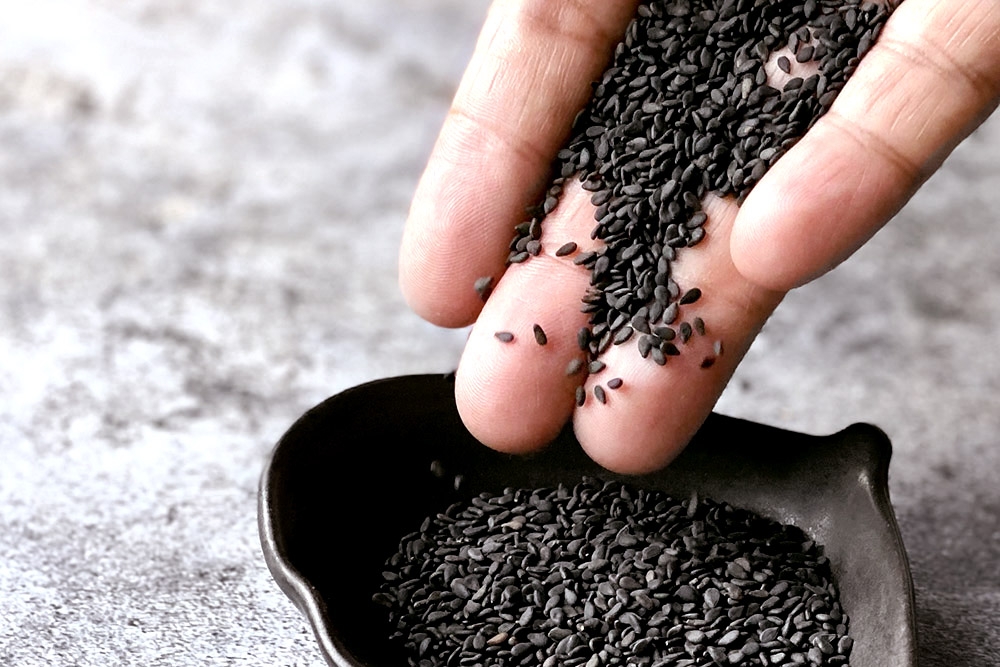
Black sesame seeds have a pronounced nutty aroma — Picture by CK Lim
Here is where the little details make a difference.
Black sesame is the base, providing the characteristic deep, almost ink-black colour as well as the more robust flavour we associate with sesame paste.
It has a pronounced nutty aroma with a toasted, earthy character. On its own, however, it can sometimes make the finished paste taste a little heavy or one-dimensional.
This is where white sesame comes in. Its higher fat content and thinner outer skin allow it to release plenty of fragrant oil when toasted.
Rather than overpowering the black sesame, it helps develop its aroma further, while contributing to a smoother and more luxurious texture. The result is a paste.
What we get as a result tastes richer and less bitter, while retaining some of that characteristic stickiness that makes a good bowl of sesame paste so enjoyable.
Double black and white ‘tong sui’
The first step is to stir-fry the sesame seeds until fragrant before grinding everything into a fine paste and cooking it. It may sound like an extra bit of work, but this is what helps bring out the aroma of the sesame and gives the finished paste a fuller, more rounded flavour.
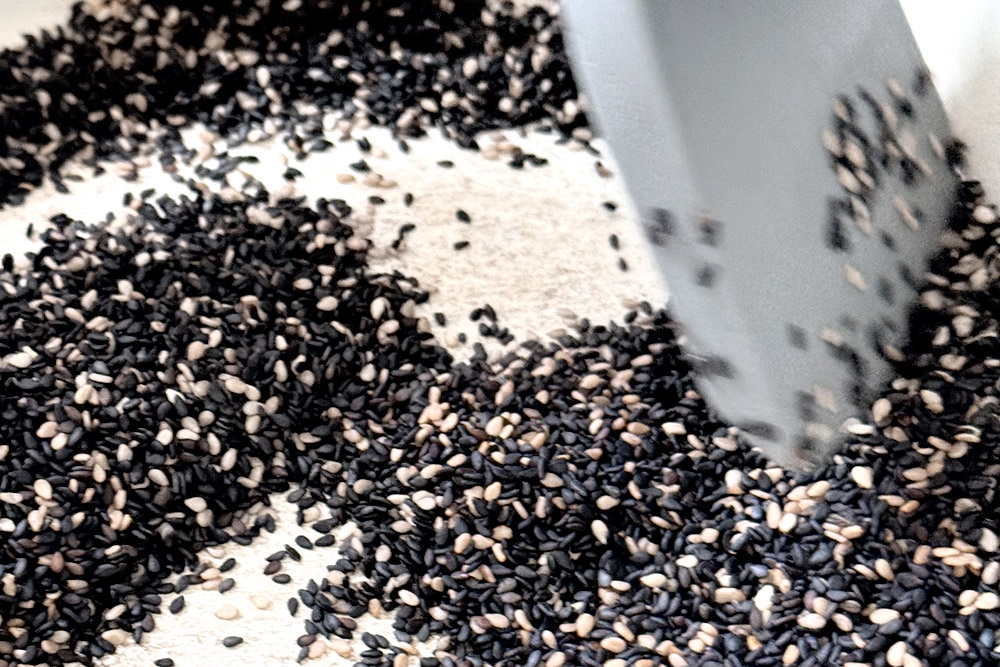
Stir-fry the sesame seeds, stirring regularly to ensure they toast evenly — Picture by CK Lim
When it comes to the sesame seeds, I find that a ratio of about 3:1 for black sesame to white sesame works particularly well. Black sesame remains the star of the show, while the smaller amount of white sesame helps to round out its flavour and texture.
There is also a visual reason for keeping the proportion of white sesame relatively low. Part of the appeal of black sesame paste is its beautiful, glossy, ink-like colour.
Use too much white sesame and the finished paste starts to look grey and pale instead of the deep black we are after. A 1:1 ratio, for instance, would give you plenty of white sesame flavour but would sacrifice much of that familiar appearance.
So, think of the white sesame as a supporting player rather than an equal partner. It is there to lift the aroma and texture while allowing the black sesame to remain firmly in the spotlight.
The rice is another small change that makes quite a noticeable difference.
Traditionally, white rice is used to create the slurry for sesame paste. In this recipe I replace half of the white rice with black glutinous rice.
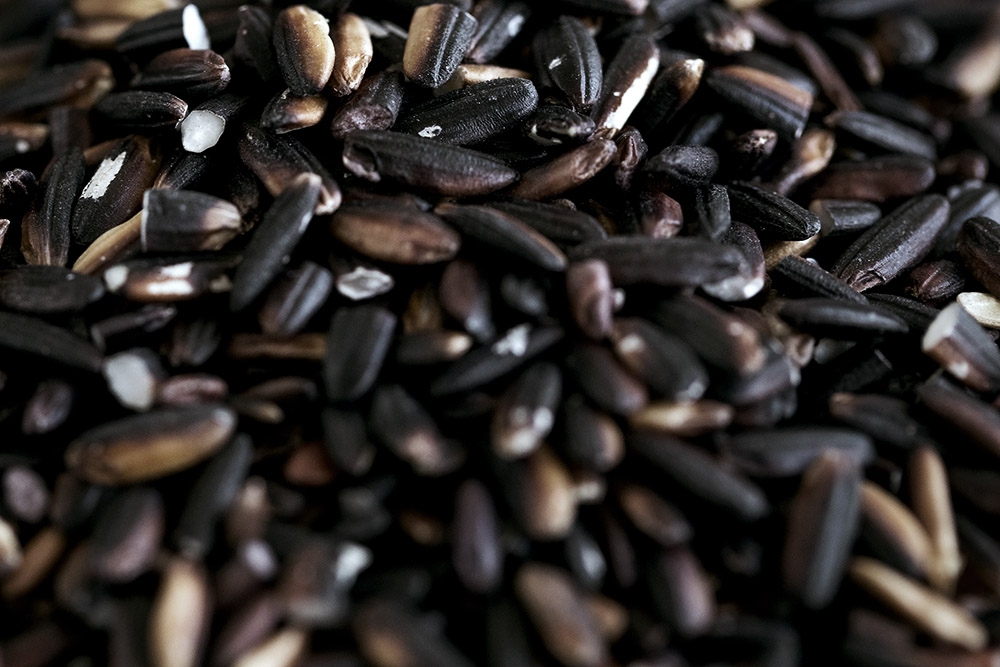
Use black glutinous rice alongside the traditional white rice to create the slurry — Picture by CK Lim
Apart from giving the paste an even deeper colour, black glutinous rice contributes a pleasant chewiness and also contains anthocyanins, adding another nutritional benefit.
This is why I call this particular recipe “Double Black & White Tong Sui” rather than just the singular version; we have black sesame and black glutinous rice as well as white sesame and white rice.
There is, of course, some room to adjust things according to your own preference. A little more black sesame will give you a stronger, more assertive flavour, while increasing the white sesame will make the paste more fragrant and mellow.
After all, some people like their sesame paste thick and almost oozing from the spoon. Others prefer it looser and more fluid, closer to a traditional Cantonese tong sui.
Both are perfect, so long as it is perfect for you.
Ingredients
100g black sesame seeds
30g white sesame seeds
15g black glutinous rice
15g white rice
800ml water
50g rock sugar or slab sugar, adjusted to taste
Coconut milk, for finishing (optional)
Method
Combine the black and white sesame seeds. Wash and drain thoroughly.
Dry-roast the sesame seeds in a wok or pan over low heat, stirring regularly to ensure they toast evenly. Continue for about 5 minutes, or until they become fragrant. Remove from the heat and set aside to cool.
Lightly dry-roast the black glutinous rice and white rice, if desired, until they become aromatic. Remove from the heat and allow them to cool.
Transfer the toasted sesame seeds and rice to a bowl. Add a small amount of water and soak for about 30 minutes. Here the rice acts as a starch slurry to thicken the sesame paste.
Pour the soaked sesame seeds, rice and soaking water into a blender. Blend thoroughly until you have a very fine, smooth mixture.
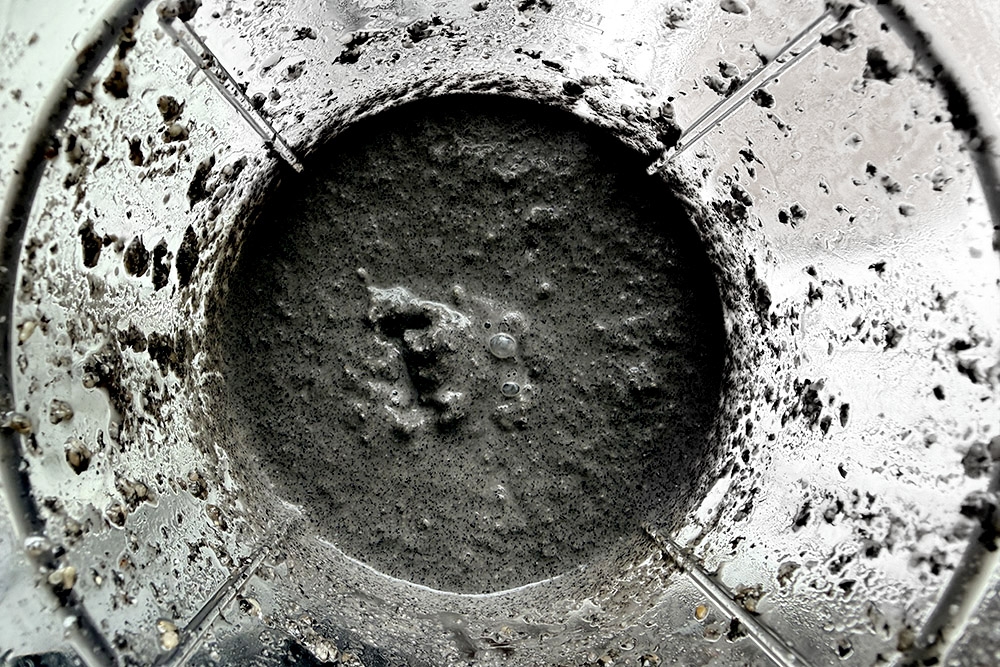
Blend everything together before cooking — Picture by CK Lim
Add the remaining water and sugar to a pot. Heat over medium heat, stirring until the sugar has completely dissolved.
Pour the blended sesame mixture into the pot. Bring the mixture to a gentle simmer, then reduce the heat to low.
Stir continuously as the mixture cooks to prevent it from catching on the bottom of the pot. Continue simmering for 5–10 minutes, or until the sesame paste has thickened to a smooth, creamy consistency.
KioskNews shows a cleaned-up reading view extracted from the publisher’s page — the original always lives on their site, not ours.