5 Batman Villains That Deserve Their Own Movie After Clayface


George is a film critic and journalist with over nine years of experience in the entertainment industry. Beginning as the Co-Creator and Co-Editor of Star Wars Holocron, the most followed Star Wars fan account on Twitter/X, George went on to develop The HoloFiles, a movie and television-focused website with his brother and writing partner Josh.
A member of the Hollywood Creative Alliance, Chicago Indie Critics, Online Film and Television Association, and the Internet Film Critic Society, George has covered major industry events as credentialed media, including D23, CinemaCon, SXSW, Fantastic Fest, Star Wars Celebration, Tribeca Festival, and more. He also regularly writes reviews and contributes articles to ScreenAnarchy, BRWC, Film Obsessive, TV Obsessive, and Under the Radar. George's work has been featured in various esteemed publications, including the BBC, Associated Press, Forbes, and The New York Times.
Clayface, the third movie in James Gunn and Peter Safran’s reimagined DCU, is now in theaters. The Cronenbergian body horror film from director James Watkins positions a Batman villain, in Clayface, as the lead character of a feature-length film. Making a villain the protagonist of a comic book movie has occurred a handful of times across the genre’s history, namely the Academy Award-winning Joker starring Joaquin Phoenix and Sony Pictures’ array of misguided Spider-Man villain projects, and Clayface represents the latest attempt to do so.
Clayface follows Matt Hagen (Tom Rhys Harries), a recently Oscar-nominated actor whose life and career are derailed when a vicious mobster disfigures his face. Desperate to reclaim what was taken from him, Hagen volunteers in an experimental clinical procedure involving nanotechnology. At first, the procedure seems to have restored Hagen’s face, but it doesn’t take long for monstrous side effects to emerge.
Few comic book characters or superheroes have rogue galleries as well-known and notorious as Batman. In addition to Clayface, Batman has faced off against iconic clown princes of crime, calculated mobsters, master thieves, compulsive geniuses, mad scientists, misanthropic botanists, immortal ninjas, and more over the course of nearly 90 years of comic books and numerous movies, games, television shows, and more.
If the DC Universe timeline decides to capitalize on the financial and critical success of Clayface and make more villains centered around Batman villains, there are five antagonists that Gunn and Safran should seriously consider putting in the spotlight.
5 Scarecrow

Scarecrow is one of Batman’s oldest and most psychologically tormented adversaries. Making his debut in World’s Finest Comics #3 in 1941, Scarecrow’s real name is Dr. Jonathan Crane and, prior to becoming a foe of Batman’s, was a former clinical psychologist, chemist, and academic.
Fascinated with the psychology of fear, Crane developed a custom-synthesized hallucinogenic fear toxin that drove him mad, leading him to don ragged, burlap scarecrow masks to physically embody the nightmares he induces in his victims.
Scarecrow was played by Cillian Murphy in Christopher Nolan’s The Dark Knight Trilogy and has also had central roles in the Batman: Arkham games and Batman: The Animated Series, but he has never been the focal point of a feature film. That’s a shame, because, in addition to having an immediately recognizable costume, Scarecrow is a harrowing foe whose twisted psychology could give way to a subversive and disturbing character study.
Unlike many Batman villains who seek money or power, Scarecrow is unique in his obsessive fascination with the psychology of fear. The fear toxin itself, as evidenced in the Batman: Arkham games, would give filmmakers ample opportunities to be experimental and trippy with a film that would likely head into hallucinogenic territory when depicting what the fear toxin does to the human mind.
4 Poison Ivy

Introduced in 1966, Poison Ivy is a prominent Batman villain, antiheroine, and ecoterrorist. To date, the character has been underserved in her live-action appearances, namely in Joel Schumacher’s fundamentally flawed Batman & Robin. But there’s a lot of untapped potential for Ivy.
A once brilliant botanist in Gotham CIty, Dr. Pamela Lilian Isley was transformed after being exposed to severe chemical and botanical experiments, which turned her skin, blood, and physiology into a hybrid of human and plant life.
Her core motivation (i.e. to protect the natural world from human greed, industrialization, and ecological destruction) makes her a different kind of Batman villain, one disturbingly prescient and relevant with her goals. Over the decades, writers have evolved Ivy from a standard criminal femme fatale to a tragic, complex eco-warrior, a characterization that would seemingly make her a compelling lead in a solo film.
3 Catwoman

Not a traditional villain by any stretch, Catwoman has captivated readers and audiences since she made her debut in Batman #1 in 1940. The clever thief, whose real name is Selina Kyle, is not a psychotic killer or determined to destroy Gotham City. Rather, she steals for thrills, survival, and wealth, not pure malice.
Catwoman has been brought to life in live-action by Michelle Pfeiffer, Anne Hathaway, and Zoë Kravitz in various Batman movies, while Halle Berry played her in an ill-fated 2004 solo film (the less said about that the better). But the character has not been afforded the cinematic spotlight she deserves.
As a master thief and antihero, Selina Kyle doesn’t adhere to rigid archetypes of standard superheroes or mustache-twirling villains, making her a unique protagonist for a film. The psychological complexity of the character demonstrates that she can carry a narrative that explores deeper themes of female autonomy, class struggle, and hidden identity. Throw in a possible appearance from Batman himself and a Catwoman solo film feels like a no-brainer.
2 Professor Pyg

Professor Pyg may not be one of the most well-known Batman villains, but he certainly is one of the most psychologically disturbing.
Created by Grant Morrison and Andy Kubert in 2007, Professor Pyg was once a skilled surgeon named Dr. Lazlo Valentin, who was driven into madness after being exposed to his own mind-warping drugs and neurotoxins. His name (and twisted mission) are inspired by the Pygmalion myth, which is about a creator obsessed with reshaping living things into his own idealized, perfect forms.
Pyg embodies this myth by abducting people in Gotham CIty and subjecting them to crude, agonizing brain surgery, chemical conditioning, and physical mutilation, permanently attaching doll masks to their faces and turning them into mindless slaves. If that wasn’t creepy enough, Pyg often sings opera, classical music, or nursery rhymes while wielding scalpels, bone saws, and syringes.
A film centered around Professor Pyg could unfold like a classic serial killer thriller movie, not unlike The Silence of the Lambs and Longlegs. Or, if a filmmaker has a particular proclivity for darker stories, Pyg could even be positioned more centrally, in turn fostering a film similar to The House That Jack Built. Clayface saw the DCU breach into horror movie territory, but Professor Pyg would make the burgeoning cinematic universe fully embrace the most disturbing reaches of the popular genre.
1 Mr. Freeze
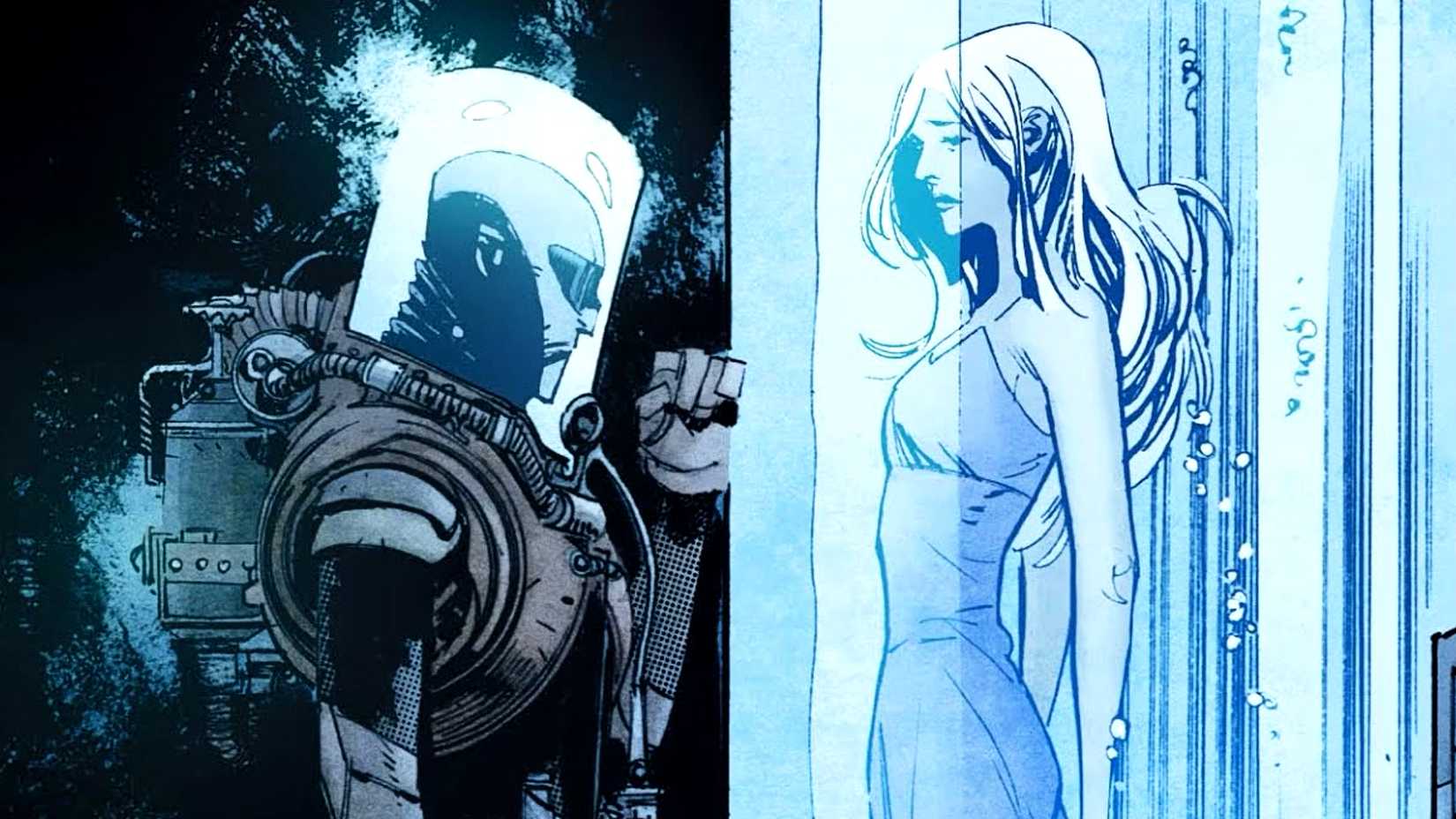
Mr. Freeze remains one of Batman’s most tragic adversaries. Dr. Victor Fries was a talented cryogenicist and scientist, whose attempts to save his terminally ill wife led him to be exposed to dangerous cryogenic chemicals that altered his physiology, making it impossible for him to survive outside of sub-zero temperatures.
To date, Mr. Freeze’s sole live-action appearance in a feature film was in Batman & Robin, where he was brought to life by a gleefully over-the-top Arnold Schwarzenegger. But this portrayal fundamentally misunderstood what makes Freeze such a compelling character. Batman: The Animated Series completely reshaped Mr. Freeze, changing from a goofy criminal into a cold, methodical, and tragic figure who is driven by a desperate, obsessive quest to cure his beloved wife.
This level of complexity and Shakespearean tragedy would make Mr. Freeze an interesting lead in a solo film. Directors could go the body horror angle, like James Watkins did with Clayface, while similarly offering a chronicle of a person’s tragic downfall following a series of devastating circumstances.
Clayface
- Release Date
- October 23, 2026
- Runtime
- 108 Minutes
- Director
- James Watkins
- Writers
- Mike Flanagan, Hossein Amini
- Producers
- James Gunn, Lynn Harris, Matt Reeves, Peter Safran
- Franchise(s)
- DCU
-

Tom Rhys Harries
Matt Hagen / Clayface
-

Naomi Ackie
Dr. Caitlin Bates
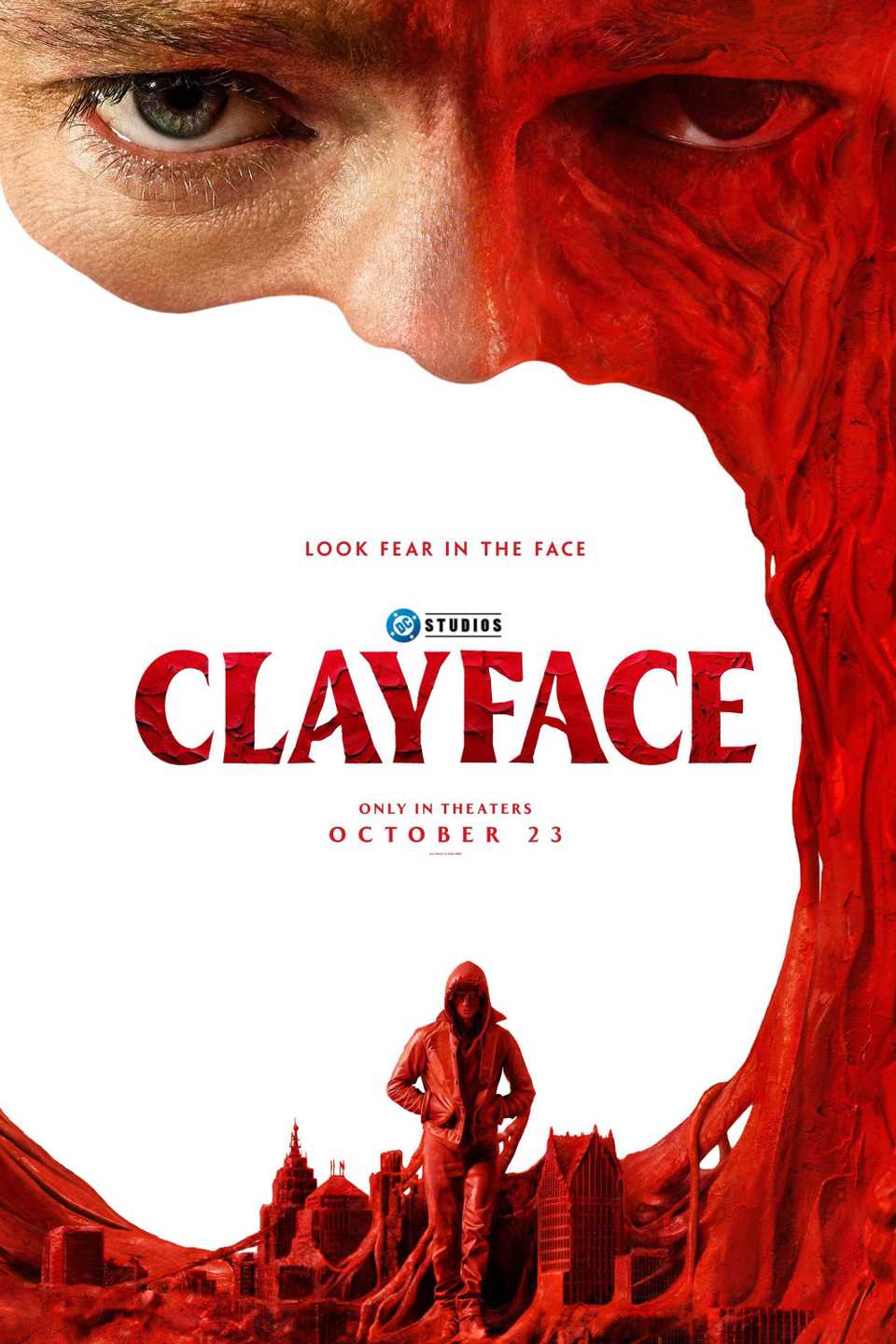
Gotham actor Matt Hagen's rising star is destroyed when a local crime boss leaves him horribly disfigured. Desperate to regain his former life, Matt undergoes an experimental treatment that restores his appearance but transforms his body into malleable clay. Now able to reshape himself into other people, Hagen sets off on an increasingly violent campaign of revenge against the ones he holds responsible for his fate.
KioskNews shows a cleaned-up reading view extracted from the publisher’s page — the original always lives on their site, not ours.