Japanese firms pull back from China amid geopolitical tensions, supply chain shifts
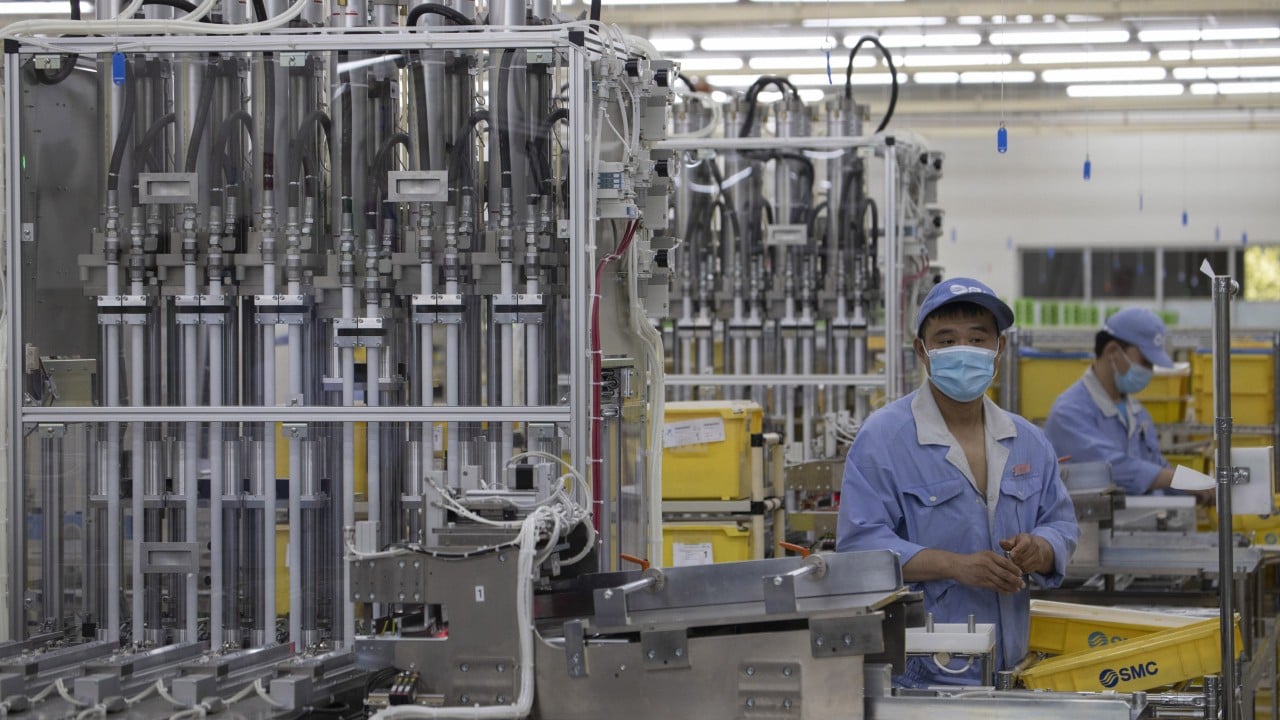
The number of Japanese companies operating in China has fallen nearly 30 per cent since its peak in 2012 and is down 22 per cent over the past two years, according to a survey conducted amid renewed political tensions between Beijing and Tokyo.
As of June, 10,118 Japanese enterprises were identified as having a presence in China, the lowest number since 2010, according to a survey and analysis released on Monday by the corporate credit research and business intelligence firm Teikoku Databank.
The research also turned up 1,221 new Japanese entrants in China since the last survey in 2024, less than the total during the depressed Covid-19 pandemic years between 2020 and 2022. It identified 4,137 companies that had withdrawn from China or could not be accounted for since the last survey.
Tokyo-based Teikoku Databank drew its findings from a database of about 1.51 million companies, a credit investigation report file containing some 2 million companies and publicly available information.
It tracked the activity of Chinese subsidiaries of Japanese firms, their affiliated companies and the establishment of representative offices.
The highest recorded number of Japanese companies with a presence in China was 14,394 in 2012, Teikoku Databank said in its latest survey, the ninth in a series.
China-Japan relations soured in November last year when Japanese Prime Minister Sanae Takaichi upset Beijing by suggesting that Tokyo could deploy military forces in the event of a conflict in the Taiwan Strait.
“China will undoubtedly remain one of the world’s largest and most attractive markets,” said Katsuya Yamamoto, director of the Tokyo-based Sasakawa Peace Foundation’s Strategy and Deterrence Programme.
However, he added that unless Beijing improved the business environment for foreign enterprises and contributed to “stabilisation of bilateral relations”, Japanese companies were unlikely to expand as they did in previous decades.
China has long been prized by Japanese corporations for its huge market and supply-chain integration. More than 40 per cent of Japanese companies operating in China this year were engaged in manufacturing, the largest share of the total, followed by wholesale trade, the survey firm said.
Teikoku Databank said that in recent years Japanese investors had run up against a “real estate recession” in China, restrictions on rare earth exports from China, “overproduction issues” and price competition with government-backed Chinese companies.
Those factors added to a “deterioration of Japan-China relations”, it said.
Teikoku Databank said that some companies were sizing up the “unforeseeable risks of doing business in China”.
“The trend of restructuring supply chains by relocating and diversifying bases to Southeast Asian countries such as Vietnam and within Japan is also noticeable, and the declining importance of China as a cheap production base is a factor influencing the reduction or withdrawal of Chinese businesses by small and medium-sized enterprises,” it said.
KioskNews shows a cleaned-up reading view extracted from the publisher’s page — the original always lives on their site, not ours.