8 Sci-Fi Movies You Need To Watch, According To James Cameron

Senior Music Editor at Screen Rant, Sarah's love of sound and story drive the beat. A globetrotting brand whisperer and award-winning journalist, she’s built cross-cultural narratives around the world—but music has always been her true north. She launched DJ Mag North America, successfully introducing the iconic UK brand to the U.S. market. Previously, she carved a space for EDM inside the pages of VIBE, blending electronic and hip-hop culture long before it was trendy.
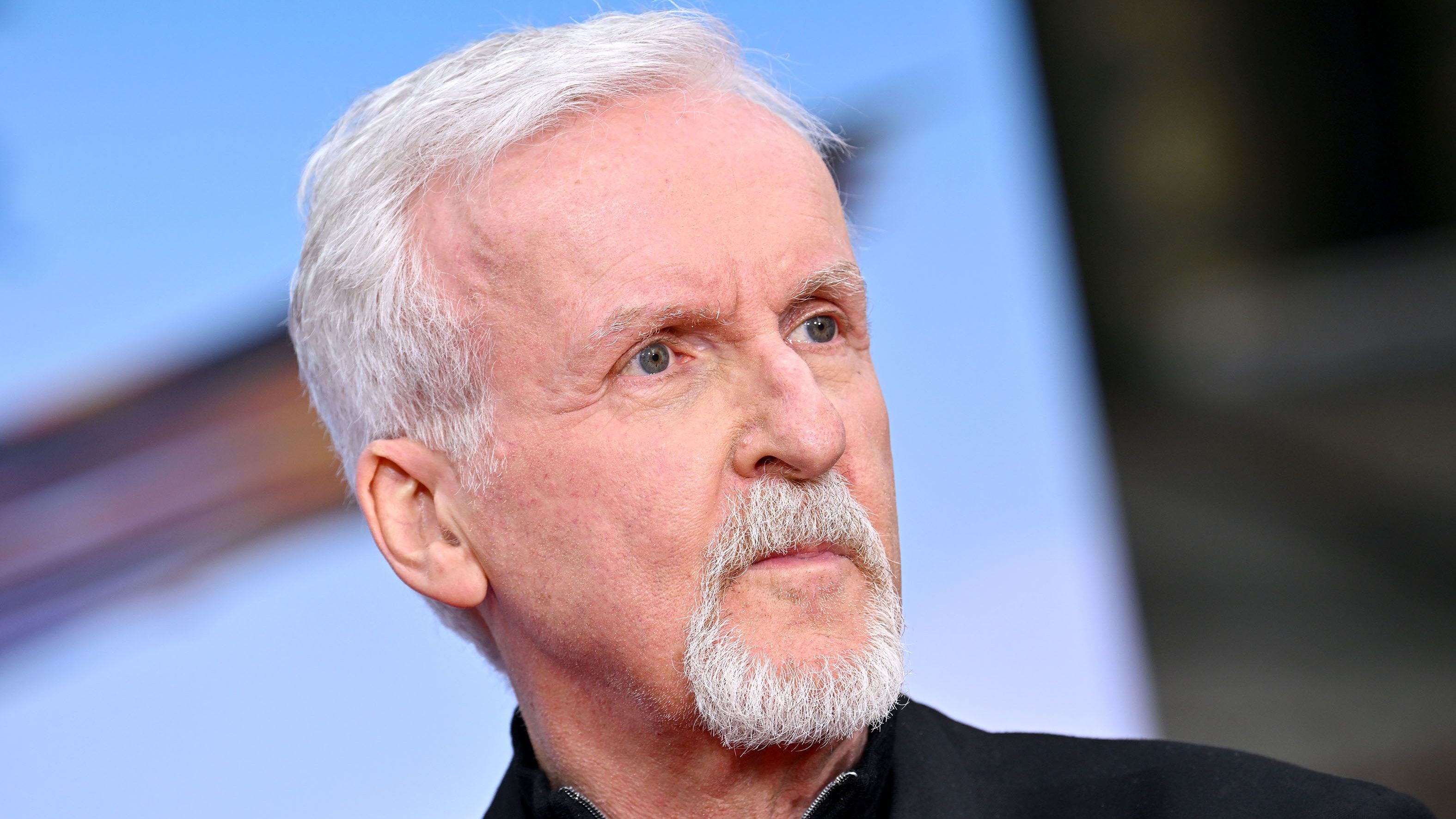
Few filmmakers have done more to turn science fiction into event cinema than James Cameron. From The Terminator and Aliens to the record-breaking Avatar franchise, Cameron has spent decades pushing the genre technically while proving that ambitious sci-fi can also bring enormous audiences into theaters.
His obsession with the genre started long before Hollywood gave him blockbuster budgets. Cameron has been unusually open about the movies that made him want to become a filmmaker, the directors whose work he studied, and the science-fiction films that still impress him. Some fundamentally altered the course of his life, while others arrived decades into his career and managed to impress one of cinema's toughest technical perfectionists.
Drawing from Cameron's interviews, public recommendations, and conversations about the movies that shaped his work, these are the eight sci-fi films the director believes are worth seeing.
2001: A Space Odyssey (1968)
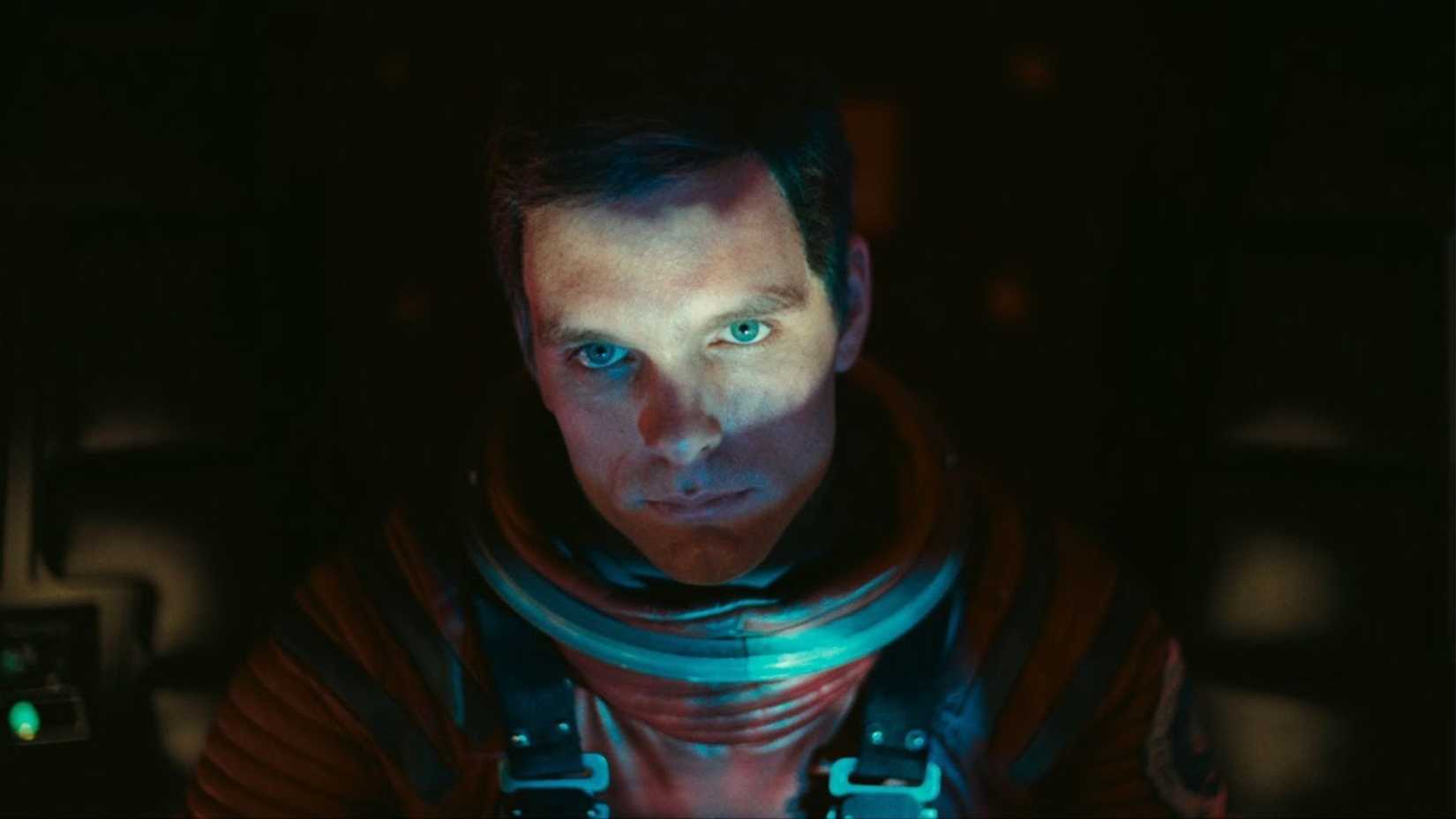
There may be no movie more important to James Cameron's development as a filmmaker than Stanley Kubrick's 2001: A Space Odyssey. Cameron has called it the biggest early cinematic influence on him, explaining that seeing Kubrick's film changed him from somebody who enjoyed movies into somebody who wanted to make them.
It is easy to understand why. Kubrick treated space travel with a level of visual credibility that was extraordinary for 1968, using elaborate miniature photography, front projection, and massive rotating sets to create images that still hold up. For viewers who love hard sci-fi movies, 2001 remains one of the genre's essential starting points.
Star Wars (1977)

Star Wars did more than impress Cameron. By his own account, it helped convince him that filmmaking could actually become his career. Cameron was still working blue-collar jobs, including driving a truck, when George Lucas' space opera became a cultural phenomenon in 1977.
Cameron had already imagined elaborate space battles in his head, and seeing similar ideas become the biggest movie in the world made something click. If audiences would pay to see that kind of imagination on a giant screen, perhaps his own imagination had value too. The result was a career-changing push toward filmmaking and a fascination with spectacle that would eventually rival Lucas himself. Star Wars also remains the gold standard against which countless sci-fi space operas are measured.
Close Encounters Of The Third Kind (1977)
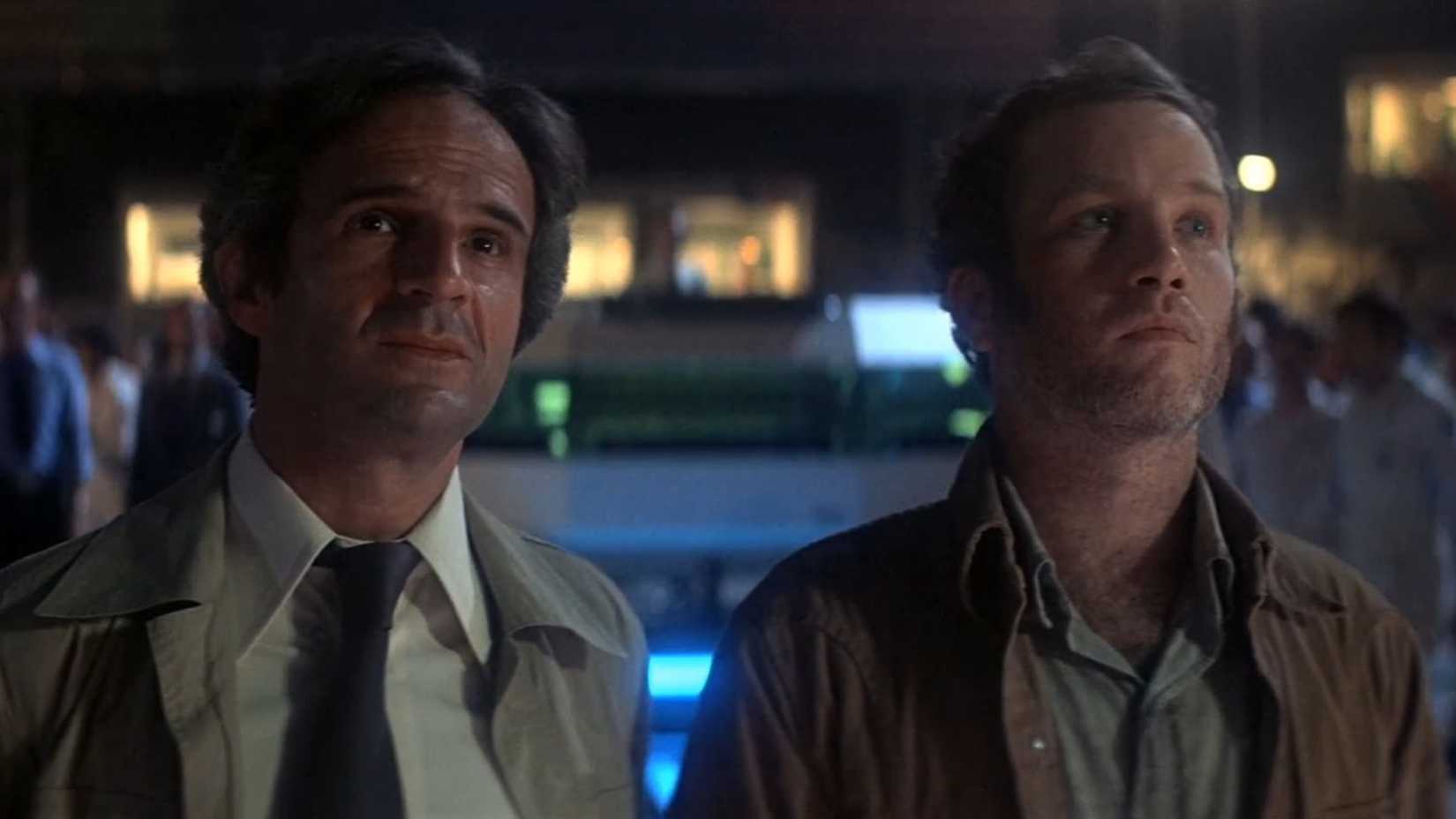
Steven Spielberg's Close Encounters of the Third Kind approached alien contact very differently from most science fiction of its era. Instead of treating extraterrestrial life as something that automatically needed to be fought, Spielberg built the movie around curiosity, obsession, and an overwhelming sense of discovery.
Cameron's admiration for the movie is telling. He has named Close Encounters alongside 2001: A Space Odyssey and Lawrence of Arabia as films he personally refuses to watch on a small screen. For a director as obsessed with theatrical scale as Cameron, that is a serious compliment. Its combination of ordinary human characters and enormous imagery also makes it easy to see why the movie would resonate with the filmmaker who later made The Abyss and Avatar.
Alien (1979)
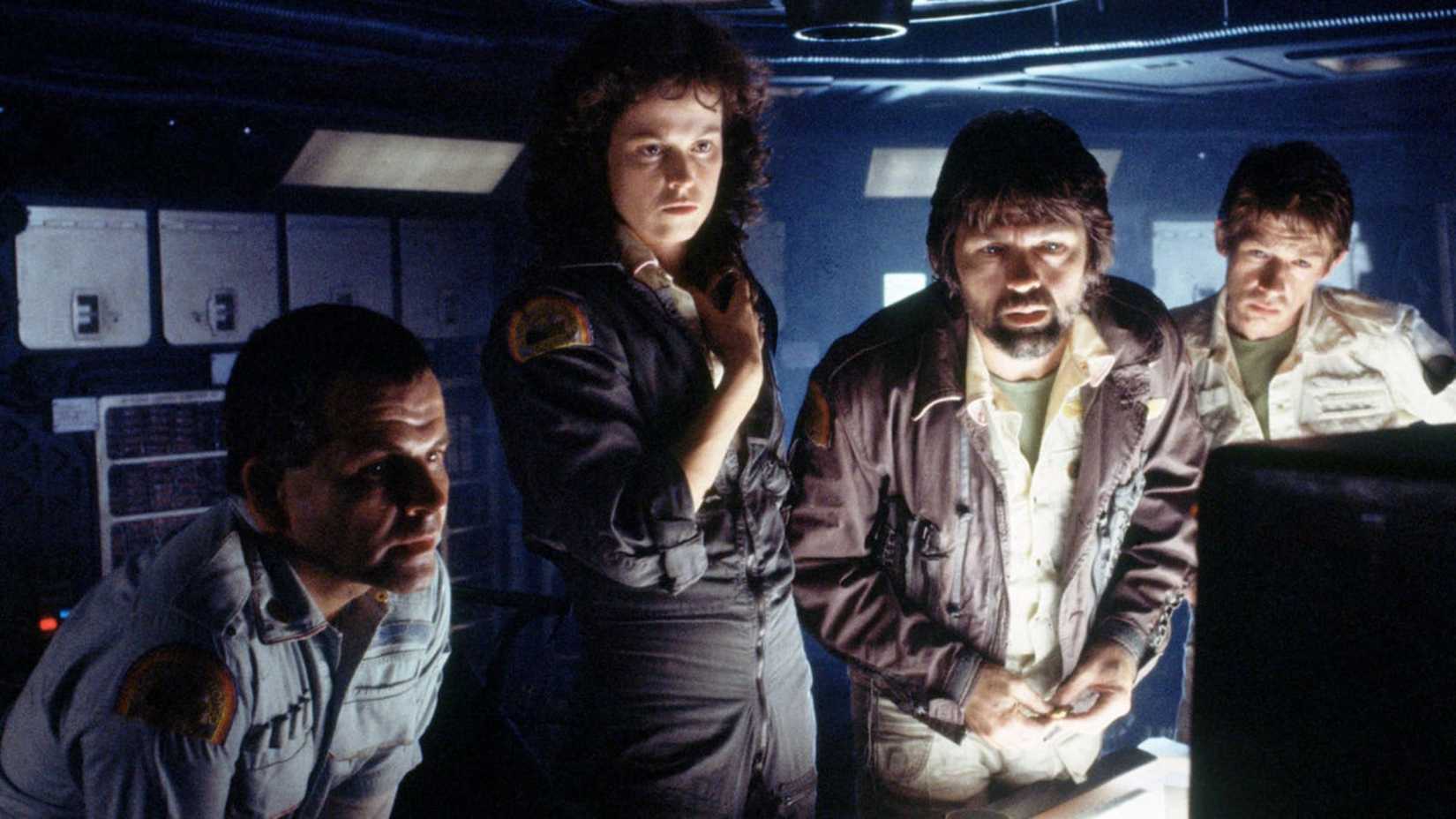
James Cameron faced a nearly impossible assignment when he agreed to follow Ridley Scott's Alien. Rather than simply respecting the original from a distance, however, Cameron was a genuine fan. He has described himself as a "fanboy" of Scott's movie and specifically praised Ripley, the setting, the tone, and H.R. Giger's terrifying creature.
Cameron also studied Alien on a technical level. He has said he learned about lenses and camera movement by deconstructing what Scott had done. That foundation helped him make Aliens feel connected to the original without copying it. Scott built a suffocating sci-fi horror movie; Cameron took the same universe and turned it into one of the greatest action films ever made.
Blade Runner (1982)

Ridley Scott earns another place among Cameron's influences with Blade Runner. Its rain-soaked Los Angeles, artificial humans, and morally murky vision of the future became foundational to cyberpunk cinema, but Cameron's connection to the film goes deeper than a shared appreciation for grim futures.
Cameron has specifically acknowledged Roy Batty's influence on the T-800. When discussing the creation of The Terminator, he said Arnold Schwarzenegger's relentless killer contained as much Roy Batty as it did Michael Myers or Yul Brynner's murderous android from Westworld. That makes Blade Runner more than a movie Cameron admires: some of its DNA can be traced directly into his own sci-fi breakthrough.
The Matrix (1999)
By the time The Matrix arrived in 1999, Cameron was hardly an up-and-coming filmmaker looking for inspiration. He had already made Aliens, two Terminator movies, and Titanic. The Wachowskis still managed to knock him out.
Cameron has called The Matrix one of the most profoundly fresh science-fiction films ever made. He also recognized elements of The Terminator in its DNA, but rather than treating those similarities defensively, he embraced them as part of the way filmmakers influence one another. Its fusion of simulated reality, cyberpunk ideas, and groundbreaking action proved there were still completely new ways to package big-screen science fiction at the end of the 20th century.
Inception (2010)
Christopher Nolan's Inception earned particularly enthusiastic praise from Cameron. After the 2011 Oscar nominations, Cameron said he loved the film and argued Nolan should have been recognized for Best Director, calling Inception the most astounding piece of film creation and direction of the year.
That praise makes sense coming from Cameron. Inception takes an elaborate science-fiction premise and refuses to sacrifice scale, action, or accessibility to explain it. Nolan trusted a huge mainstream audience to follow him into multiple layers of dreams, and the gamble paid off. Anyone working through the sci-fi movies Christopher Nolan believes audiences should watch can therefore return the favor by adding one of Nolan's own films to Cameron's list.
Dune: Part Two (2024)

Even after decades spent making enormous science-fiction movies himself, Cameron can still be impressed by another filmmaker going big. Denis Villeneuve accomplished exactly that with Dune: Part Two, which Cameron praised as "pure cinema" while comparing Villeneuve's adaptation favorably with David Lynch's 1984 version.
Cameron particularly admired how convincingly Villeneuve translated Frank Herbert's world to the screen. That endorsement puts Dune: Part Two in remarkable company here: unlike 2001 or Star Wars, this was not a movie that shaped a young James Cameron. It impressed the fully formed filmmaker behind Avatar. For anyone looking for modern science fiction capable of matching the scale of the classics, that is a recommendation worth taking seriously.
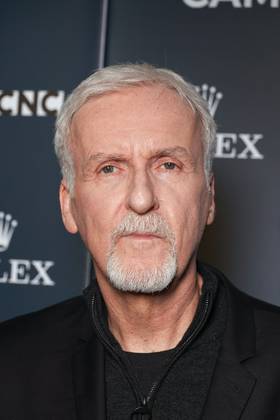
- Birthdate
- August 16, 1954
- Birthplace
- Kapuskasing, Ontario, Canada
- Notable Projects
- Avatar, Titanic, The Terminator
- Height
- 6 feet 2 inches
- Professions
- Director, Producer, Screenwriter, Editor, Explorer
KioskNews shows a cleaned-up reading view extracted from the publisher’s page — the original always lives on their site, not ours.