What happens if you keep missing your blood pressure pills? New study explains risk
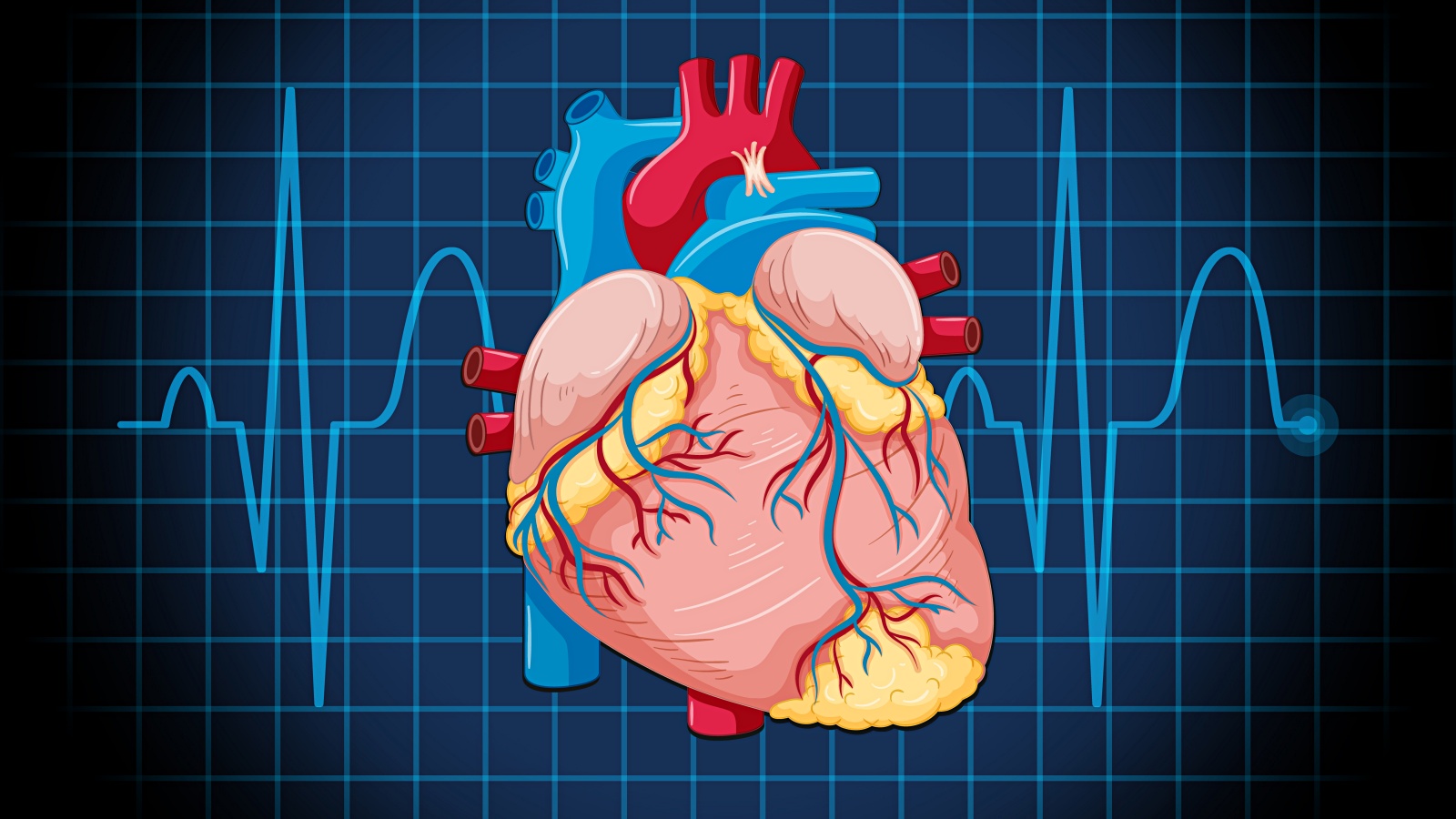
What happens when you keep forgetting your blood pressure medication? A new analysis of more than 91,000 people, presented at the ESC Conference 2026, offers a reason to take this routine seriously: the benefits of treatment were more evident among those who took their medicines consistently than among those who did so less regularly. But how big was the difference, and does missing a tablet put you at risk of a heart attack or stroke?
DISCLAIMER: This article is based on information from the public domain and/or the experts we spoke to. Always consult your health practitioner before starting any routine.
What did researchers find?
The study analysed data from 91,339 people across nine clinical trials. Researchers compared treatment outcomes among participants who took their medication more consistently and those who took it less regularly.
The difference was visible in their blood pressure readings. Among participants with higher medication adherence, systolic blood pressure, the upper number in a BP reading, fell by an average of 5.2 mmHg in the treatment group compared with the comparison group. Among those with lower adherence, the difference was smaller, at 3.0 mmHg.
Researchers also examined major cardiovascular events, including heart attacks, strokes and other serious heart-related complications. Among participants who took their medication more consistently, these events were 11% lower in the treatment group than in the comparison group. However, the reduction was not statistically significant among participants with lower adherence.
The difference in blood pressure reduction offers one explanation for why taking medication consistently matters. Dr Priya Pradhan, Senior Consultant, Paediatric Cardiology, Narayana Health SRCC Children’s Hospital, Mumbai, said, “The findings suggest that frequently missing doses may reduce treatment benefits, especially if blood pressure becomes less controlled.”
 Participants who took at least 80% of their assigned treatment were classified as having higher adherence, while those who took less than 80% were classified as lower adherence: ESC
But does the 11% difference mean that missing a tablet puts someone at immediate risk of a heart attack or stroke? Not necessarily.
Story continues below this ad
“The reported 11% reduction applies to groups with higher adherence,” Dr Pradhan clarifies.
Dr Aseem Dhall, Director and HOD, Cardiac Sciences, ISIC Multispeciality Hospital agrees and cautions against interpreting the findings that way. “This study reinforces the importance of taking blood pressure medication consistently, but it does not mean that missing one tablet automatically causes a heart attack or stroke.”
This distinction is important because the study compared groups with different levels of medication adherence. It did not establish the risk associated with missing a single dose.
Why does consistency matter if your BP seems fine?
The findings matter because high blood pressure often causes no obvious symptoms. Someone may feel perfectly well even when their blood pressure remains high enough to damage the heart and blood vessels over time.
Story continues below this ad
When medication is taken inconsistently, blood pressure may remain uncontrolled, potentially reducing the protection treatment provides. Persistently high blood pressure can strain the heart and damage artery walls, increasing the risk of heart attacks, strokes, heart failure and kidney damage.
As Dr Dhall explained, “High blood pressure puts continuous pressure on artery walls, damaging them over time and making them more vulnerable to narrowing or blockage. It also makes the heart work harder.”
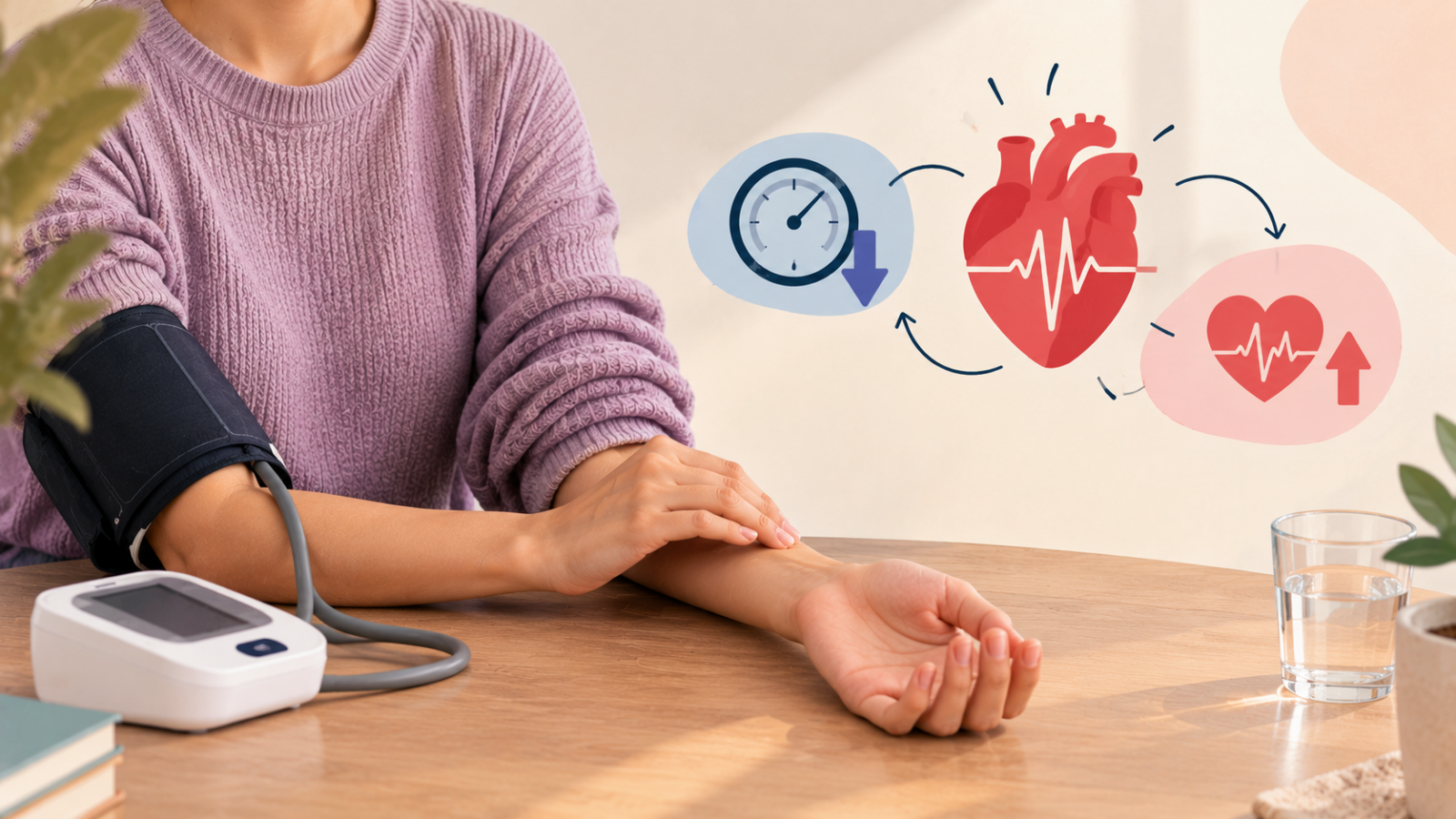 Despite the proven benefits of blood pressure-lowering medication in reducing cardiovascular events, around half of patients do not take them as prescribed: ESC
However, the risk varies depending on the medication prescribed, a person’s blood pressure, other health conditions and how often doses are missed. The study did not establish a specific increase in risk for every missed tablet.
Feeling well or recording a better BP reading is therefore not a reason to stop medication independently. Improved readings may mean the treatment is working. Patients should continue taking their medicines as prescribed and discuss concerns or side effects with their doctor.
Story continues below this ad
What should you do if you miss a dose?
Forgetting a tablet once is usually not a reason to panic. The appropriate next step depends on the medicine you take.
“Follow the medicine’s instructions or ask a pharmacist or clinician what to do. Do not automatically double the next dose unless specifically advised,” Dr Pradhan said.
If you frequently forget your medication, setting reminders, using a pill organiser or linking your dose to an everyday routine may help. If side effects, medication costs or a complicated schedule make it difficult to take your medicines regularly, discuss these barriers with your doctor rather than stopping treatment on your own.
Seek emergency medical attention if you experience sudden weakness on one side of the body, facial drooping, difficulty speaking, chest pain or severe breathlessness. Do not assume these symptoms are simply the result of a missed dose.
Story continues below this ad
The study’s central message is that blood pressure treatment works best when taken consistently as prescribed. Missing one tablet does not automatically cause a heart attack or stroke, but repeatedly missing medication may reduce the benefits of treatment. Regular blood pressure monitoring and medical follow-ups remain important.
KioskNews shows a cleaned-up reading view extracted from the publisher’s page — the original always lives on their site, not ours.