9 Hulk Runs That Redefined Bruce Banner
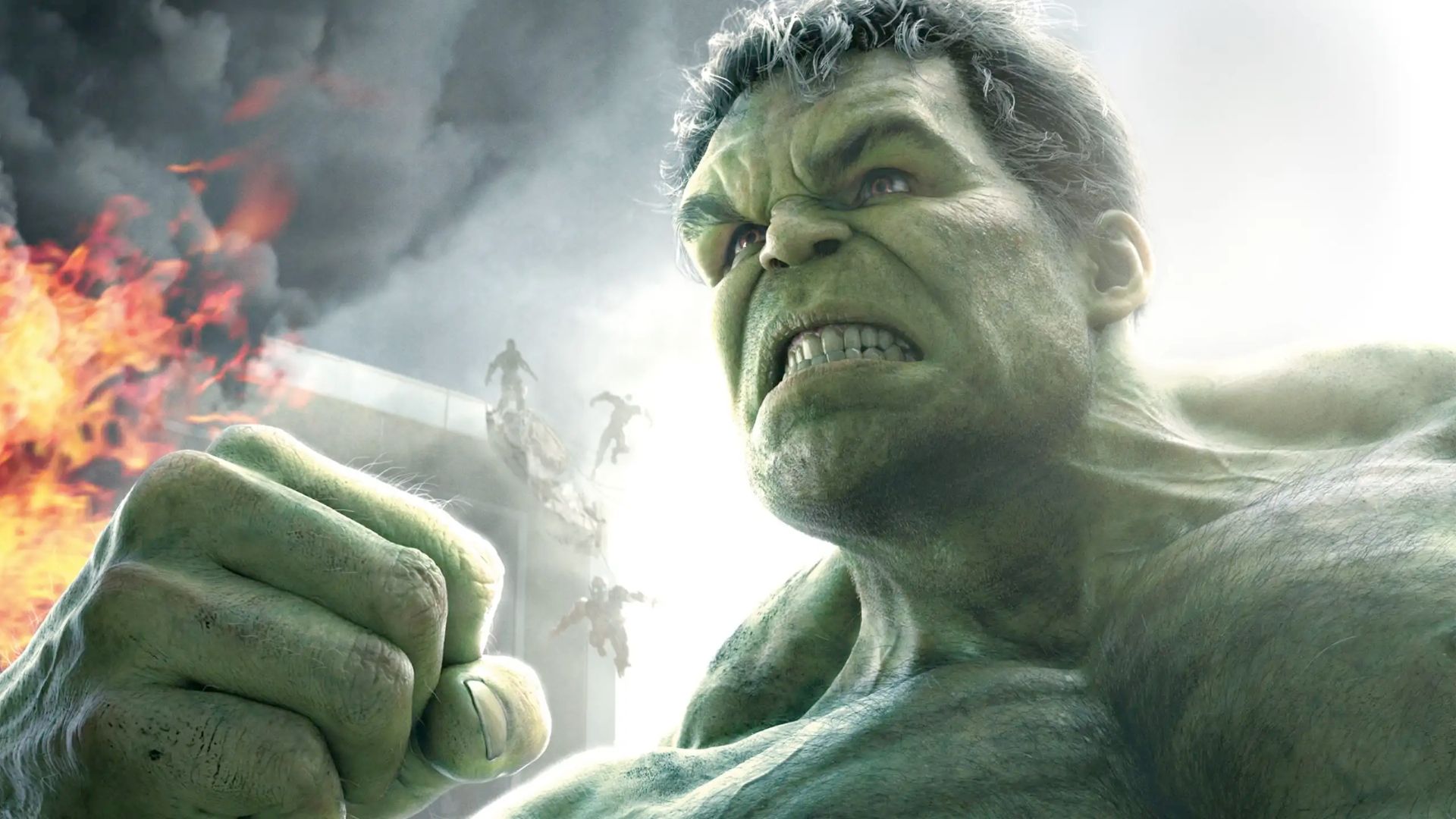
Since 1962, the Hulk has been an integral part of the Marvel Universe. One of the first characters the publisher rolled out, the Hulk was unlike any other character appearing in comics at that time. The Hulk was a monster, a savage brute who bucked every trend in superhero comics. Before, most heroes were square-jawed, handsome men, but the Hulk upended all that.
The Hulk has also become one of Marvel’s most popular characters, thanks to a television series in the late 1970s/early 1980s, as well as a steady stream of cartoons. The Hulk has starred in two feature films, one set in the Marvel Cinematic Universe, and has been featured in many others. As one of Marvel’s flagship characters, the Hulk has almost always had an ongoing series since the early 1960s.
While more mainstream exposure may have contributed to the Hulk’s greatness, the comics that inspired the movies and shows have also played a huge role in the character’s popularity.
While more mainstream exposure may have contributed to the Hulk’s greatness, the comics that inspired the movies and shows have also played a huge role in the character’s popularity. Some creators have said the Hulk is one of the hardest characters in the Marvel stable to work on, but during these epic runs, the nay-sayers were proven wrong. Here are nine of the best Hulk runs that defined Bruce Banner.
1 Stan Lee and Jack Kirby


Inspired by literary characters such as Doctor Jekyll and Mister Hyde, Stan Lee and Jack Kirby put their heads together in 1962 to create a superhero version, and thus the Hulk was born. Like many heroes introduced in the Silver Age, the Hulk’s origin was tied to radiation and atomic testing. It is a well-known story: scientist Bruce Banner, studying “gamma radiation,” was caught in a gamma explosion, which turned him into the Hulk.
Stan’s premise and backstory for the Hulk was already solid, but Jack Kirby elevated the script to dazzling heights. Kirby infuses Stan’s story with a lingering sense of dread, and when Bruce transforms for the first time, it veers into the dark and disturbing. The Incredible Hulk’s inaugural outing is arguably the best of Marvel’s origin stories, perfectly mixing pathos with horror and action, and Lee and Kirby kept this going during their entire run.
2 Len Wein and Herb Trimpe

While the Hulk may allegedly be a difficult character to work on, some creators, like Herb Trimpe, did not get the memo. Trimpe penciled The Incredible Hulk for an amazing seven years, a record that has not been toppled, and today he is regarded as the character’s definitive artist. Trimpe’s dynamic art helped define the Hulk and his adventures for years to come.
Trimpe’s collaborator for most of his tenure on the Hulk by the legendary Len Wein. One of the most prolific writers of his day, Wein left his mark on the Hulk in the 1970s. Perhaps Wein and Trimpe’s most notable accomplishment working together on the Hulk was the introduction of Wolverine, who a year later would join the X-Men and become one of comics’ most popular characters.
3 Bill Mantlo and Sal Buscema

Bill Mantlo and Sal Buscema’s run on The Incredible Hulk in the early to mid 1980s ranks as one of the character’s best. Mantlo mined the Hulk’s psyche, showing that the monster may have been the product of childhood abuse by his father Brian Banner. This introduced Brian as a villain, a thread that would be picked up by later Hulk creators, most notably during The Immortal Hulk (more on that one later).
Bill Mantlo also created Rocket Raccoon, as well as Cloak and Dagger.
Mantlo and Buscema did not stop there. Mantlo made the then shocking decision to give the Hulk Banner’s intellect, a move that cast a huge shadow over future Hulk runs. For a brief period, the Hulk was even pardoned for his past crimes. However, it all came crashing down, infusing Mantlo and Buscema’s run with tragedy and heartbreak. Yet, perhaps Mantlo’s biggest change to the Hulk was reverting his skin color back to gray, similar to what Lee and Kirby created in the 1960s.
4 Peter David, Todd McFarlane, Dale Keown and others
For many comic book fans, Peter David is the definitive Hulk writer. Peter originally worked in the business office at Marvel, while trying to make it as a writer. According to legend, no one wanted to write The Incredible Hulk, making it one of the few books available to Peter. Nevertheless, he took the job, and would write the character for a record-breaking 12 years. In that time, Peter worked with a number of great artists, including Todd McFarlane, who drew some of the run’s most iconic stories. Later, artists such as Dale Keown added their own stamp to the Hulk.
During Peter’s decade-plus run, he and his collaborators took the Hulk to new heights. Peter and Todd kicked it off by exploring the relationship between Banner and the Hulk. In one early issue, the Hulk tried to kill Banner through alcohol poisoning. The character’s “Mister Fixit” phase was during Peter’s run, as was the “Professor Hulk” version, which continued Mantlo’s tradition of giving the Hulk intelligence.
5 Bruce Jones, John Romita Jr and others

In the early 2000s, Marvel enlisted veteran writer Bruce Jones to breathe new life into the Hulk, right as the character’s first solo film hit was about to hit theaters. Working with a variety of artists, including John Romita Jr, Jones took the Hulk back to his horror-based roots, which played to Jones’ strengths as a writer. The run opens with Banner and the Hulk being framed for killing a child.
Bruce Jones' run on The Incredible Hulk was a comeback of sorts, as most of Jones' comic book writing credits were in the 1980s and early 1990s.
For inspiration, Jones looked to The Hulk’s 1970s television series. In it, Banner and the Hulk were on the run, and this carried over into the early issues of Jones’ time with the character. While Jones’ “slow burn” approach may have turned off some Hulk fans, it provided a nice change of pace from the character’s usual fare. Today, Jones’ four-year stint with the Hulk is fondly remembered by fans.
6 Greg Pak and Carlo Pagulayan

Greg Pak was an up-and-coming writer at Marvel when he took over the writing reins of The Incredible Hulk. Teaming with artist Carlo Pagulayan, Pak crafted one of the best Hulk runs of the 21st century, one that explored how other heroes perceive Bruce. At the beginning of the team’s stint on the character, a group of Marvel heroes called The Illuminati launch the Hulk into space, sending him to an Earth-like planet where he can live out his life in peace. However, fate had other plans.
Greg Pak created another gamma-based character: Amadeus Cho.
From Pak and Pagulyan came one of the most influential Hulk stories ever: Planet Hulk. After landing on a distant planet, the Hulk is forced to fight in gladiator-style matches, ultimately rising to become the planet’s leader. After his lover is killed due to the Illuminati, the Hulk returns to Earth, swearing revenge. Planet Hulk, and its follow-up, the World War Hulk crossover event, had a pronounced influence on the MCU, most notably in Thor: Ragnarök.
7 Mark Waid, Leinil Francis Yu, Walt Simonson and others

In the 2010s, Mark Waid left his mark on many Marvel characters, including the Hulk. Launched during the legendary Marvel Now initiative, The Indestructible Hulk represented a new approach to the character, in that he became an agent of SHIELD. Banner struck a deal with the agency: give him funding for his experiments, and he would work for them. Waid had several artistic collaborators during this time, including Walt Simonson.
The Indestructible Hulk was noteworthy for being a “fun” book, a phrase not usually used to describe the character. The Hulk was a massive (in more ways than one) asset to SHIELD, but all good things had to come to an end. After The Indestructible Hulk concluded, Waid was joined by Gerry Duggan for a follow-up series, simply titled Hulk, which introduced the “Doc Green” alter.
8 Al Ewing and Joe Bennett (Immortal Hulk)
Simply put, Al Ewing and Joe Bennett’s Immortal Hulk is one of the best takes on the character ever done, and it is also one of the finest comics produced in America during the latter part of the 2010s. Ewing and Bennett leaned heavily into the character’s history and mythology, exploring his relationship not only with his father, but other gamma-irradiated beings as well. Yet it was more than a joyride through decades of history. It was also a horror comic, embracing various subfields, such as “cosmic horror” and “body horror.” At the same time, it also offered scathing social commentary.
Ewing and Bennett’s Immortal Hulk was a rarity among today’s titles in that it had a set beginning, middle and end. Furthermore, editorial interference was kept to a minimum, allowing the creators to tell a rich and complex story that Hulk fans will be discussing for years to come. Ewing and Bennett’s run was so definitive, that some felt Marvel could have retired the Hulk after the series concluded.
9 Phillip Kennedy Johnson and Nic Klein
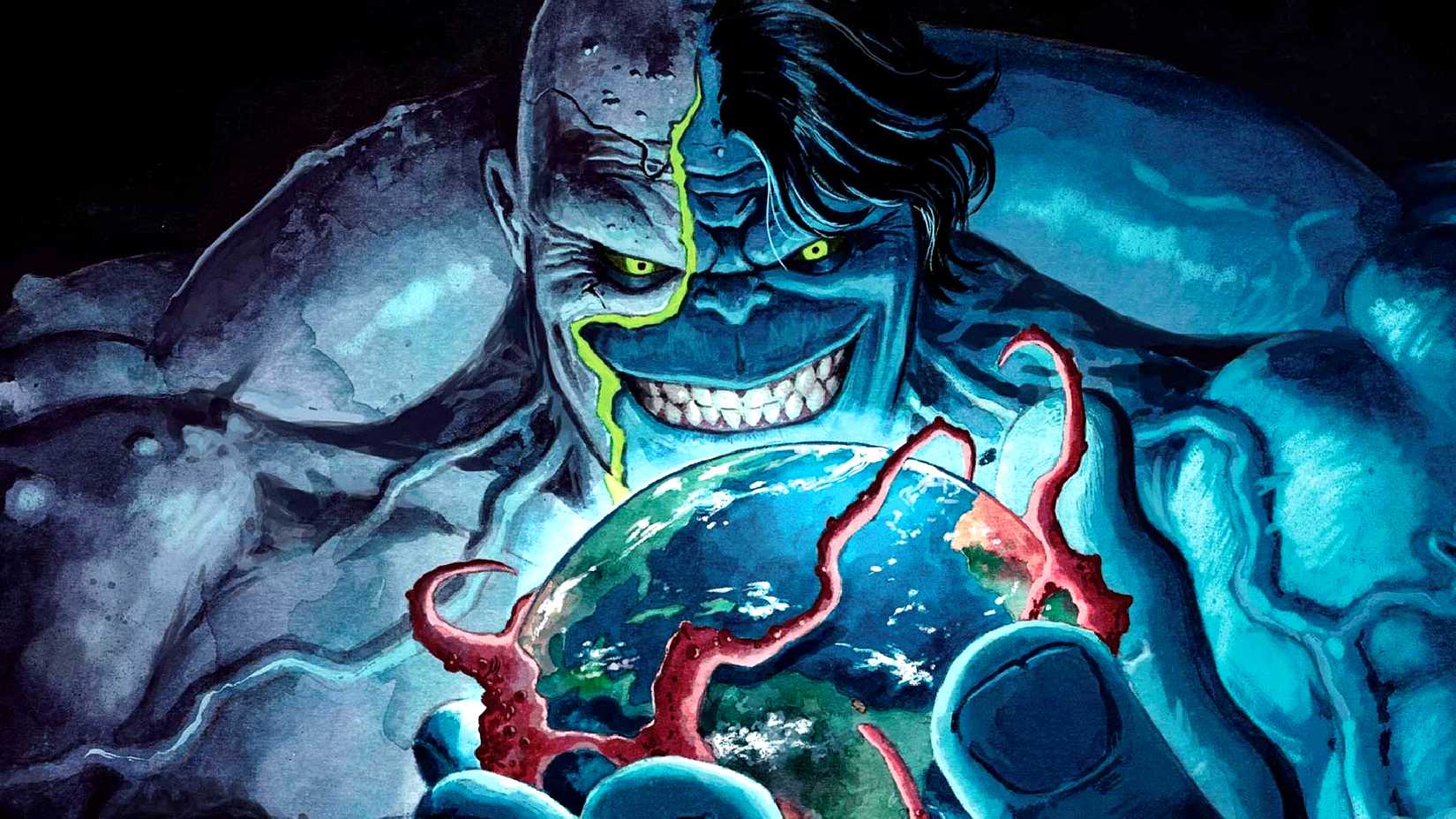
After Immortal Hulk came to an end, Marvel scrambled to find a worthy follow-up before arriving at Philip Kennedy Johnson and Nic Klein’s still ongoing run. Like Immortal Hulk, Johnson and Klein took a horror-oriented approach to the character, introducing Lovecraftian elements, such as the Mother of All Horrors. Klein and Johnson recognized that the Hulk was, at his core, a monster, and based their run on this conceit.
Johnson and Klein’s run has connected with fans who were pleased to see a consistent direction for the Hulk again. Marvel relaunched the character’s book earlier this year, christening it The Infernal Hulk, a reference to Bruce’s new role as the leader of Earth’s monsters. Their time with the Hulk is drawing to a close, however: next May, writer Chris Condon and artist Alessandro Cappuccio will take over the character. While details about what to expect are scant at this moment, the duo will most certainly make an impact on the Hulk, much like everyone else on this list.
KioskNews shows a cleaned-up reading view extracted from the publisher’s page — the original always lives on their site, not ours.